THE ADVENTURE COLLECTIVE® · Independent discovery and booking for outdoor travel

A private, full‑day VIP tour that pairs the colossal geometry of Giza with the modern displays of the Grand Egyptian Museum and the bustling alleys of Khan El Khalili. Ideal for travelers who want expert guiding, skip‑the‑line access, and a well‑paced cultural day.
A private, full‑day VIP tour that pairs the colossal geometry of Giza with the modern displays of the Grand Egyptian Museum and the bustling alleys of Khan El Khalili. Ideal for travelers who want expert guiding, skip‑the‑line access, and a well‑paced cultural day.
You step from a cool, air‑conditioned vehicle onto sun-baked stone and the scale of the Giza Plateau takes over—a horizon of angled faces and long shadows that feel older than language.
Verified experiences and guided adventures in the surrounding area.
Operated by Pharaonic Vision Tours · Cairo, Cairo Governorate
You step from a cool, air‑conditioned vehicle onto sun-baked stone and the scale of the Giza Plateau takes over—a horizon of angled faces and long shadows that feel older than language.
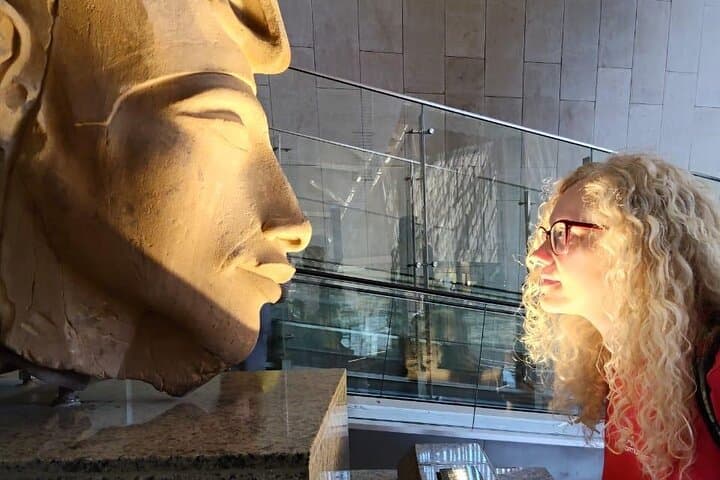
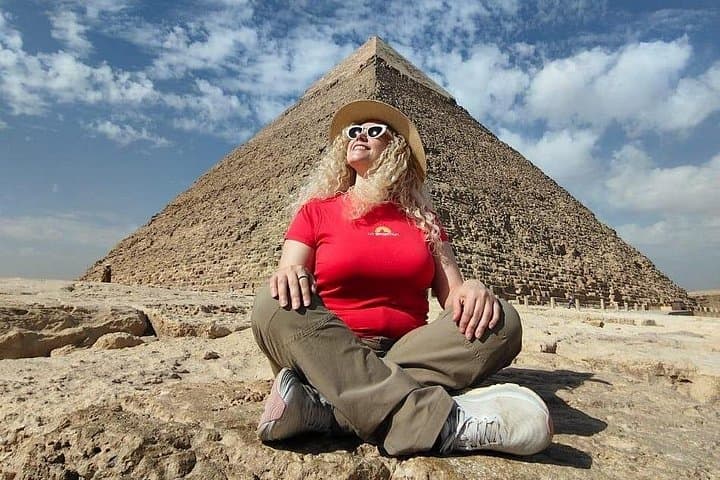
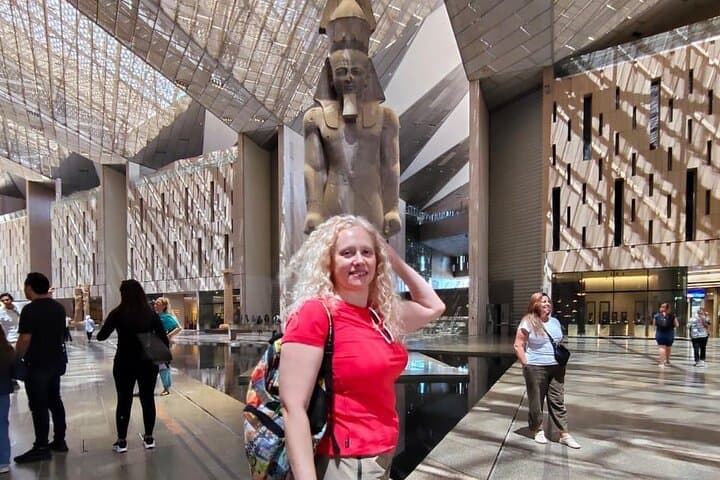
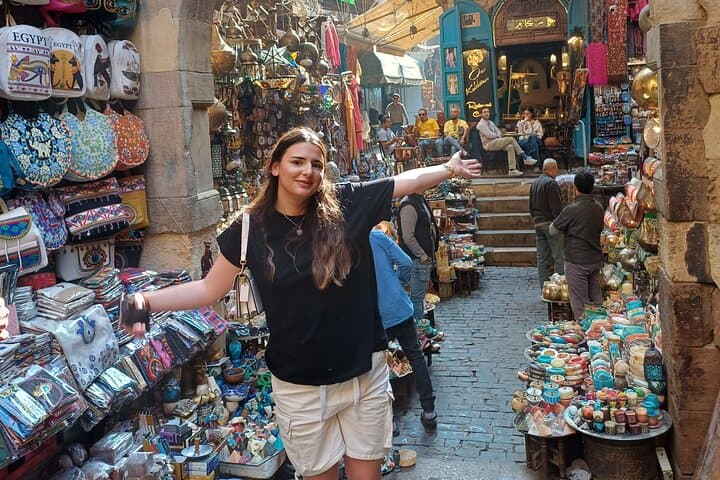
The Great Pyramid of Khufu (built ~4,500 years ago) dominates the scene while the Sphinx keeps its silent watch from limestone carved in antiquity. Geologically, the plateau rests on uplifted Eocene limestones; block after block of quarried stone tells a practical story of ancient engineering as much as ritual. Later in the day you move from open desert to the Grand Egyptian Museum’s modern galleries, where Tutankhamun’s gold and Ramses II’s statues are displayed with contemporary conservation standards, then into the winding alleys of Khan El Khalili, a market alive with spices, copper work and traditional coffeehouses.
Expect a private Egyptologist guide, skip‑the‑line entry to principal sites, a 30‑minute camel ride at the Panorama point and a high‑quality lunch included. The day mixes exposed walking on uneven rock, short climbs to panoramic viewpoints, and museum floors with ramps—fairly easy physically but sun and heat are constant companions.
Practical edge: start early to use cooler morning light for photos; carry a refillable water bottle, SPF, a brimmed hat and comfortable walking shoes with firm soles. Budget small bills for tips and souvenirs, and allow time for security checks at each site. With logistics handled, the tour lets the monuments speak—their scale and texture guiding the pace.
easy.
6–9 hours.
Suitable for travelers with basic mobility; expect several hours of walking and short uneven stretches
Yes—this private tour includes entry tickets for the pyramids and the Grand Egyptian Museum as listed in the itinerary.
The tour notes wheelchair accessibility for transportation and many museum areas, but some outdoor plateau surfaces are uneven; discuss specific needs at booking.
Tipping is customary in Egypt; plan modest cash tips for your guide and driver, and for optional services like camel rides if you wish.
A 30‑minute camel ride at the Panorama viewpoint is included; handlers manage the animals, but those with back or mobility concerns should avoid the ride.
The Giza pyramids were constructed in the fourth dynasty (c. 2600–2500 BCE); the Great Pyramid is the only surviving Wonder of the Ancient World and reflects precise stone masonry on Eocene limestone bedrock.
Ongoing conservation balances visitor access with preservation—avoid climbing or touching ancient stones, follow guide instructions, and support official museum programs that fund local archaeology.
Pharaonic Vision Tours operates guided outdoor trips and adventures with an emphasis on safety, stewardship, and memorable experiences.
You step from a cool, air‑conditioned vehicle onto sun-baked stone and the scale of the Giza Plateau takes over—a horizon of angled faces and long shadows that feel older than language.
You step from a cool, air‑conditioned vehicle onto sun-baked stone and the scale of the Giza Plateau takes over—a horizon of angled faces and long shadows that feel older than language.
The Great Pyramid of Khufu (built ~4,500 years ago) dominates the scene while the Sphinx keeps its silent watch from limestone carved in antiquity. Geologically, the plateau rests on uplifted Eocene limestones; block after block of quarried stone tells a practical story of ancient engineering as much as ritual. Later in the day you move from open desert to the Grand Egyptian Museum’s modern galleries, where Tutankhamun’s gold and Ramses II’s statues are displayed with contemporary conservation standards, then into the winding alleys of Khan El Khalili, a market alive with spices, copper work and traditional coffeehouses.
Expect a private Egyptologist guide, skip‑the‑line entry to principal sites, a 30‑minute camel ride at the Panorama point and a high‑quality lunch included. The day mixes exposed walking on uneven rock, short climbs to panoramic viewpoints, and museum floors with ramps—fairly easy physically but sun and heat are constant companions.
Practical edge: start early to use cooler morning light for photos; carry a refillable water bottle, SPF, a brimmed hat and comfortable walking shoes with firm soles. Budget small bills for tips and souvenirs, and allow time for security checks at each site. With logistics handled, the tour lets the monuments speak—their scale and texture guiding the pace.