THE ADVENTURE COLLECTIVE® · Independent discovery and booking for outdoor travel

Spend a full day moving from Tiananmen Square through the Forbidden City’s imperial halls to a scenic hike on the Mutianyu section of the Great Wall. This private tour includes VIP access, chairlift up the Wall, and a local lunch with views.
Spend a full day moving from Tiananmen Square through the Forbidden City’s imperial halls to a scenic hike on the Mutianyu section of the Great Wall. This private tour includes VIP access, chairlift up the Wall, and a local lunch with views.
You step from the minivan into Tiananmen Square and the city exhales — flags, broad paving stones, and the outline of the Forbidden City rising like a planned geometry of power. The guide threads stories through the plaza: the 20th-century politics, the monument sculptures, the colossal scale that compels you to slow your pace.
Verified experiences and guided adventures in the surrounding area.
Operated by Wikibeijing · Beijing, Beijing
You step from the minivan into Tiananmen Square and the city exhales — flags, broad paving stones, and the outline of the Forbidden City rising like a planned geometry of power. The guide threads stories through the plaza: the 20th-century politics, the monument sculptures, the colossal scale that compels you to slow your pace.
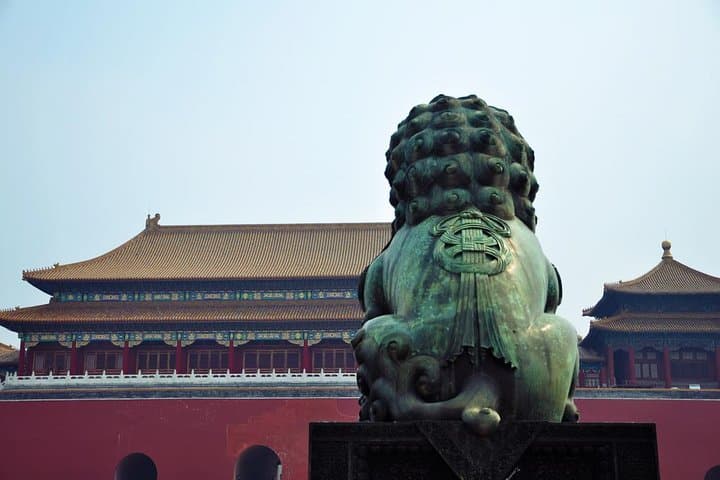
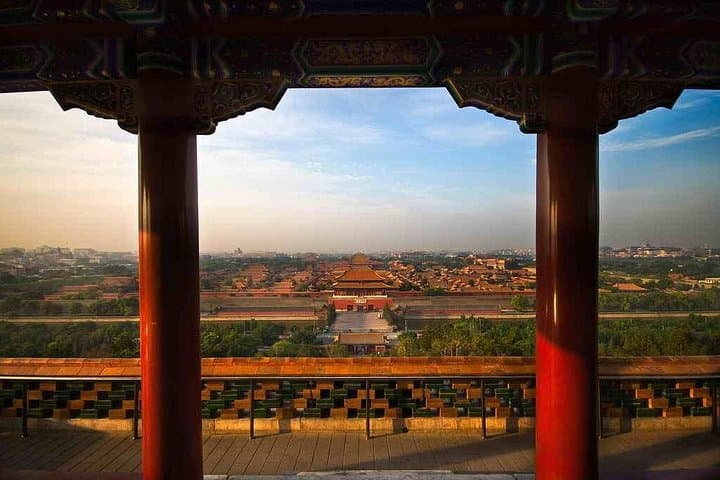
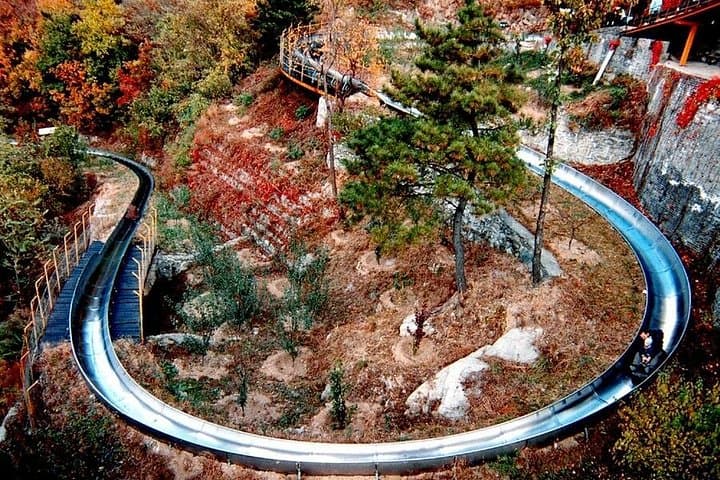
From there you walk north into the Forbidden City, where timber halls and carved thresholds recall more than 500 years of Ming and Qing court life. The meridian axis orders space and ritual; private gardens and palace courtyards reveal how architecture managed imperial life. In the afternoon the tour slips out of the city’s grid toward Mutianyu, where the Great Wall unspools over forested ridgelines. The Wall here is Ming-era masonry rebuilt and reinforced, watchtowers punctuating a skyline of stone and pine. On a clear day the chairlift climbs like a slow promise and the toboggan returns you with a grin.
Practical guidance threads the narrative: allot 8–9 hours, carry passport copies for pickup, and expect 1–2.5 hours of walking on stepped, uneven stone at Mutianyu. Wear supportive shoes, layer for wind on exposed ridgelines, and bring cash for small purchases in village kiosks. Aim for early pickup to beat crowds at the Forbidden City and to catch the Wall when the pines are quieter. Respect ticketing rules, stay on marked paths, and leave historic fabric undisturbed — the reward is movement through living history and landscapes that still push back at the city’s edge.
moderate.
8–9 hours.
Suitable for most people who can walk 2–3 miles on mixed terrain and climb stairs; some short steep sections on the Wall.
The tour lists entrance fees, VIP pass and cable car as included in the All Inclusive option; confirm your booking package to verify what’s covered.
Expect about 1–2.5 hours of walking on Mutianyu, with options to take the chairlift up and or the toboggan down to reduce strenuous climbing.
The tour is marked suitable for all fitness levels but the Wall includes stairs and uneven surfaces; consider chairlift options and disclose mobility needs when booking.
Passport name and number are required at booking and usually needed for pickup; bring your passport on the day for verification.
The Forbidden City served as the imperial palace for the Ming and Qing dynasties for over 500 years; Mutianyu is a well-preserved Ming-era section of the Great Wall rebuilt over earlier fortifications.
The Great Wall is vulnerable to erosion and souvenir removal — stay on marked paths, avoid taking materials, and respect local conservation signage.
Wikibeijing operates guided outdoor trips and adventures with an emphasis on safety, stewardship, and memorable experiences.
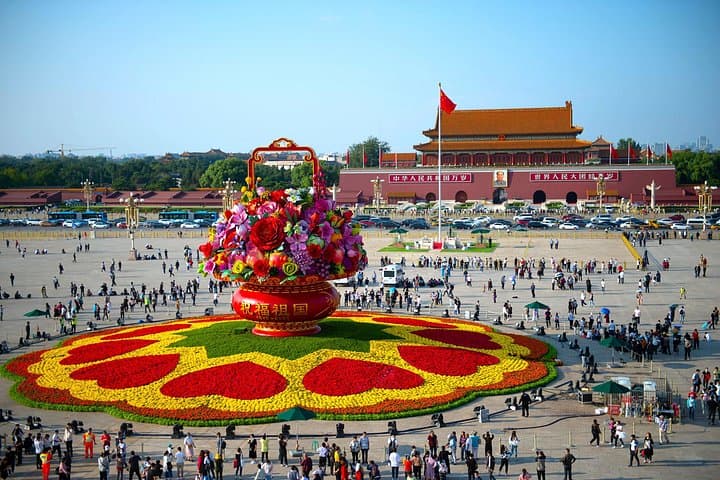
You step from the minivan into Tiananmen Square and the city exhales — flags, broad paving stones, and the outline of the Forbidden City rising like a planned geometry of power. The guide threads stories through the plaza: the 20th-century politics, the monument sculptures, the colossal scale that compels you to slow your pace.
You step from the minivan into Tiananmen Square and the city exhales — flags, broad paving stones, and the outline of the Forbidden City rising like a planned geometry of power. The guide threads stories through the plaza: the 20th-century politics, the monument sculptures, the colossal scale that compels you to slow your pace.
From there you walk north into the Forbidden City, where timber halls and carved thresholds recall more than 500 years of Ming and Qing court life. The meridian axis orders space and ritual; private gardens and palace courtyards reveal how architecture managed imperial life. In the afternoon the tour slips out of the city’s grid toward Mutianyu, where the Great Wall unspools over forested ridgelines. The Wall here is Ming-era masonry rebuilt and reinforced, watchtowers punctuating a skyline of stone and pine. On a clear day the chairlift climbs like a slow promise and the toboggan returns you with a grin.
Practical guidance threads the narrative: allot 8–9 hours, carry passport copies for pickup, and expect 1–2.5 hours of walking on stepped, uneven stone at Mutianyu. Wear supportive shoes, layer for wind on exposed ridgelines, and bring cash for small purchases in village kiosks. Aim for early pickup to beat crowds at the Forbidden City and to catch the Wall when the pines are quieter. Respect ticketing rules, stay on marked paths, and leave historic fabric undisturbed — the reward is movement through living history and landscapes that still push back at the city’s edge.