THE ADVENTURE COLLECTIVE® · Independent discovery and booking for outdoor travel

Cover the highlights of the Sacred Valley and Machu Picchu in 48 hours: terraces at Moray, salt pools of Maras, a Vistadome train ride and a guided visit to Machu Picchu. Perfect for travelers who want a compact, well-organized Andean experience.
Cover the highlights of the Sacred Valley and Machu Picchu in 48 hours: terraces at Moray, salt pools of Maras, a Vistadome train ride and a guided visit to Machu Picchu. Perfect for travelers who want a compact, well-organized Andean experience.
Dawn pours over the high Andes as your van snakes out of Cusco, the city’s colonial edges shrinking behind terraced hills and stone villages. On day one the road opens into the Sacred Valley: the air thins, rivers quicken, and roadside markets dare you to slow down and trade a coin for a handwoven textile.
Verified experiences and guided adventures in the surrounding area.
Operated by Peru Trekkers · Machu Picchu Pueblo, Cusco Region
Dawn pours over the high Andes as your van snakes out of Cusco, the city’s colonial edges shrinking behind terraced hills and stone villages. On day one the road opens into the Sacred Valley: the air thins, rivers quicken, and roadside markets dare you to slow down and trade a coin for a handwoven textile.
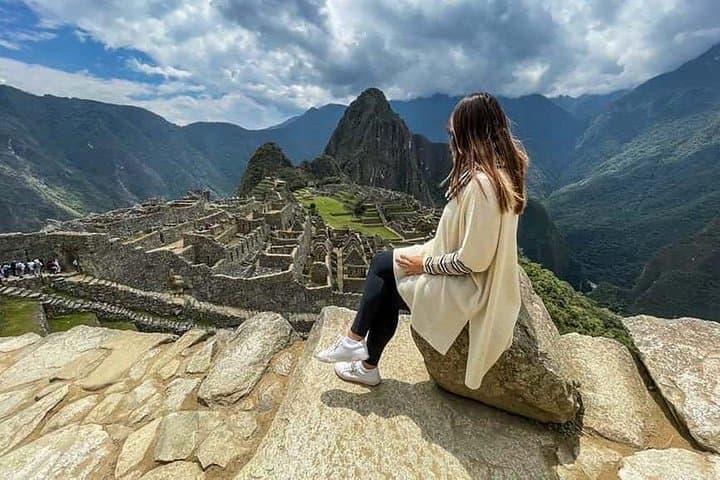
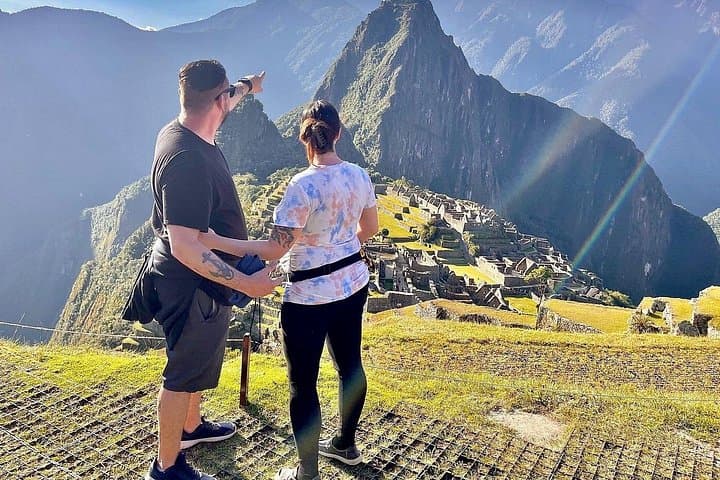
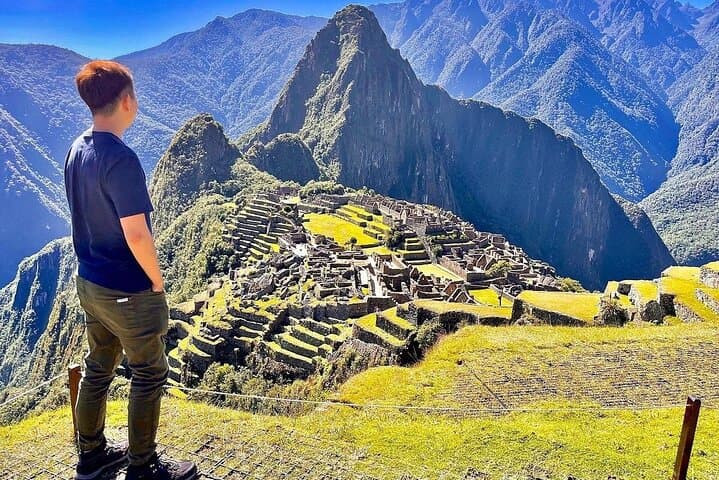
This route threads Inca ingenuity into living landscape — the concentric agricultural bowls of Moray show a deliberate study of microclimates, while the Maras salt pans glitter where families still harvest mineral brine as they have for generations. Ollantaytambo’s fortress and sun temple reveal the military and ceremonial planning that anchored Inca control of the valley. The following morning you ascend by bus to Machu Picchu, a stone city perched between cloud and cliff where granite walls and terraces cling to an uplifted ridge carved by the Urubamba River.
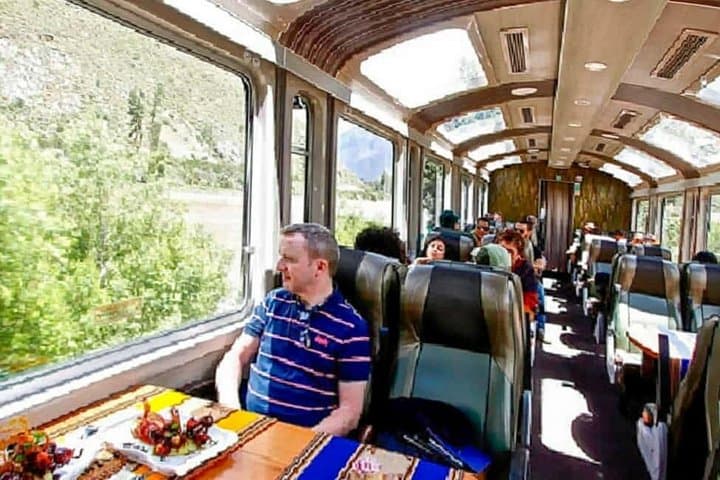
Expect guided walks on uneven stone staircases, panoramic train travel through canyon narrows, and a small-group pace that balances context with free time for self-guided exploration or optional summit hikes (Huayna or Machu Picchu Mountain if pre-booked).
Practical notes: acclimatize in Cusco for 24–48 hours to reduce altitude effects, bring layered clothing for sun and sudden mountain rain, and carry cash for market purchases. Trains and site permits sell out in high season; confirm times and ticket names in advance. This two-day itinerary compresses history, geology and culture into a swift, accessible Andean immersion.
moderate.
2 days (approx. 48 hours).
Suitable for travelers in regular walking shape; expect several hours of walking over uneven stone and stairs each day.
Yes—Cusco and the Sacred Valley are high (Cusco ~3,400 m). Allow 24–48 hours to acclimatize, stay hydrated, avoid alcohol, and consider acetazolamide only after consulting a doctor.
This tour includes Vistadome train tickets from Ollantaytambo and entrance to Machu Picchu as stated—confirm your exact train times and ticket names after booking.
Possibly—these require separate, limited permits; book them well in advance and notify the operator so timing can be arranged.
Expect 2–3 hours of guided walking over uneven, stepped terrain; there are steep sections and many stairs, but routes can be adjusted for comfort.
The Sacred Valley was an agricultural backbone for the Inca state; Moray’s concentric terraces likely served as experimental crop stations to test microclimates.
Machu Picchu and surrounding ecosystems are fragile; stick to designated paths, avoid drone use, and follow local guidelines to minimize impact.
Peru Trekkers operates guided outdoor trips and adventures with an emphasis on safety, stewardship, and memorable experiences.
Dawn pours over the high Andes as your van snakes out of Cusco, the city’s colonial edges shrinking behind terraced hills and stone villages. On day one the road opens into the Sacred Valley: the air thins, rivers quicken, and roadside markets dare you to slow down and trade a coin for a handwoven textile.
Dawn pours over the high Andes as your van snakes out of Cusco, the city’s colonial edges shrinking behind terraced hills and stone villages. On day one the road opens into the Sacred Valley: the air thins, rivers quicken, and roadside markets dare you to slow down and trade a coin for a handwoven textile.
This route threads Inca ingenuity into living landscape — the concentric agricultural bowls of Moray show a deliberate study of microclimates, while the Maras salt pans glitter where families still harvest mineral brine as they have for generations. Ollantaytambo’s fortress and sun temple reveal the military and ceremonial planning that anchored Inca control of the valley. The following morning you ascend by bus to Machu Picchu, a stone city perched between cloud and cliff where granite walls and terraces cling to an uplifted ridge carved by the Urubamba River.
Expect guided walks on uneven stone staircases, panoramic train travel through canyon narrows, and a small-group pace that balances context with free time for self-guided exploration or optional summit hikes (Huayna or Machu Picchu Mountain if pre-booked).
Practical notes: acclimatize in Cusco for 24–48 hours to reduce altitude effects, bring layered clothing for sun and sudden mountain rain, and carry cash for market purchases. Trains and site permits sell out in high season; confirm times and ticket names in advance. This two-day itinerary compresses history, geology and culture into a swift, accessible Andean immersion.