THE ADVENTURE COLLECTIVE® · Independent discovery and booking for outdoor travel

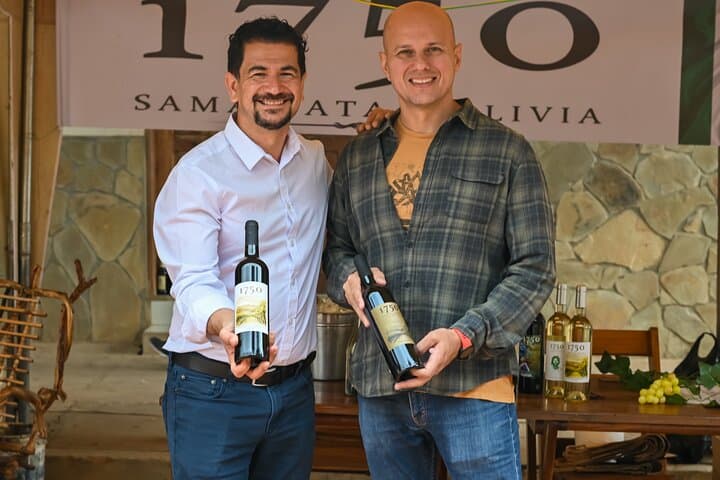
Taste high‑altitude Bolivian wines at Vinos 1750 just outside Samaipata. This 2–4 hour tour blends a short vineyard hike with guided tastings and local cheese pairings—ideal for wine lovers and nature-minded travelers.
Taste high‑altitude Bolivian wines at Vinos 1750 just outside Samaipata. This 2–4 hour tour blends a short vineyard hike with guided tastings and local cheese pairings—ideal for wine lovers and nature-minded travelers.
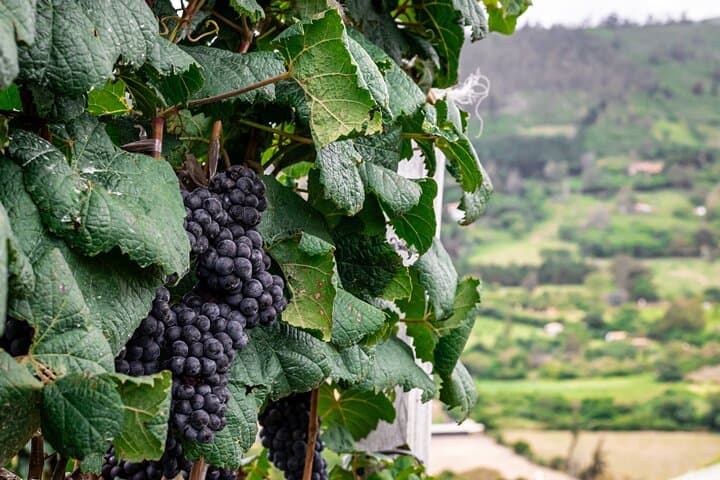
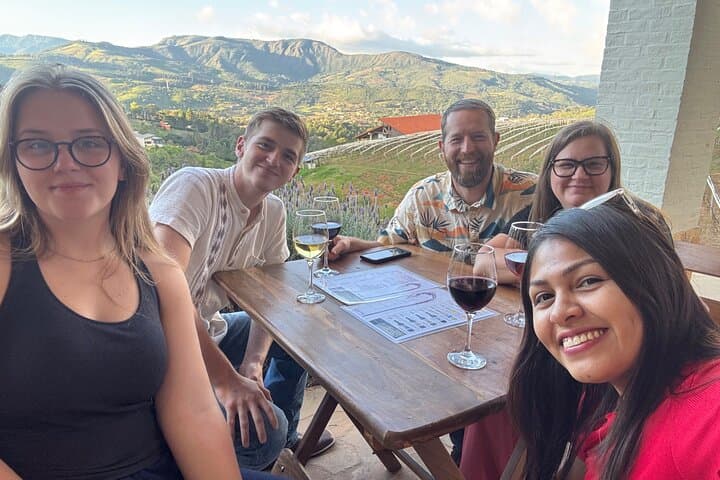
The road climbs out of Samaipata with views of red earth and pine copses; after a 45‑minute drive the vineyard opens like a cultivated slope, rows angled toward a thin mountain sun. Visitors step from the vehicle, inhale the dry, slightly floral air, and follow a short, easy trail up to terraces where vines cling to stony soil and the Andes press the skyline.
Verified experiences and guided adventures in the surrounding area.
Operated by No Hay Vida Mejor · Samaipata, Santa Cruz Department
The road climbs out of Samaipata with views of red earth and pine copses; after a 45‑minute drive the vineyard opens like a cultivated slope, rows angled toward a thin mountain sun. Visitors step from the vehicle, inhale the dry, slightly floral air, and follow a short, easy trail up to terraces where vines cling to stony soil and the Andes press the skyline.
Wine at altitude here is shaped by wind-swept days and cool nights. Vinos 1750 draws on local microclimates—sandy loam over gravelly subsoil—that favor bright Torrontés aromatics and concentrated reds like Cabernet and Tannat. The property’s recent history mirrors Samaipata’s agricultural shift from traditional cereal farming to boutique viticulture; guides usually explain both production stages and the regional push to craft wines suited to high-elevation Bolivia.
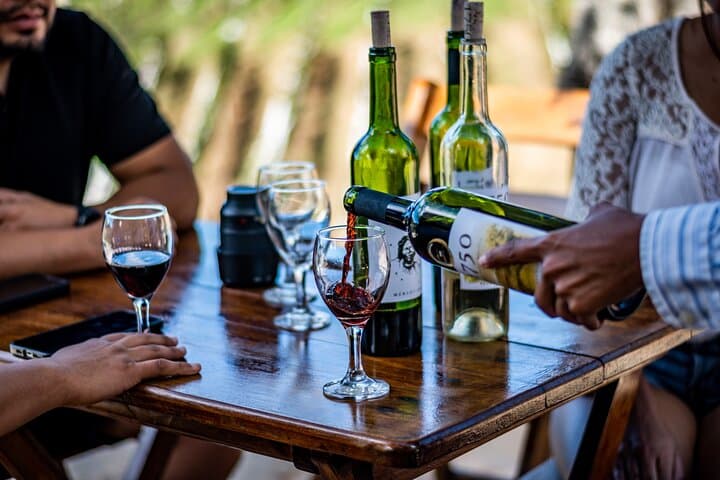
Culturally, the tour threads local flavors into tastings: expect cheese and cold cuts that showcase Santa Cruz dairy and cured meats. Geology is on display in the stony terraces and sedimentary outcrops nearby, evidence of uplift and long erosion cycles.
Practical notes: tours last roughly 2–4 hours, include private transport from town, a guided walk of about 20–30 minutes across uneven ground, and multiple tastings. Bring sunscreen, a light wind layer, and sturdy shoes for the short hike. Tours run on weekdays and weekends and can be booked guided or self‑paced; cancellations are typically allowed 24 hours ahead. For wine lovers who prefer quiet views with their tasting, this low‑effort excursion pairs accessible hiking with a clear introduction to high‑altitude winemaking in eastern Bolivia.
easy.
2–4 hours.
Suitable for most fitness levels; involves a short, uneven walk of 20–30 minutes and low-impact standing during tastings.
Tours run approximately 2 to 4 hours depending on whether you choose guided or self-paced options and any included tastings or platters.
Yes—private transport from your hotel or the main square in Samaipata is typically included in the tour package.
Tastings of multiple wines are included; some packages add a cheese and cold-cuts platter—confirm your booking for the exact inclusions.
No—the walk to the vineyard is short but uneven; basic mobility is sufficient, though closed-toe shoes are recommended.
Vine growing around Samaipata is a relatively recent boutique movement that adapts European varieties to high-elevation Bolivian microclimates, reflecting wider shifts in regional agriculture.
The area emphasizes low-impact viticulture and water-conserving practices; visitors are encouraged to stay on paths and limit single-use plastics.
No Hay Vida Mejor operates guided outdoor trips and adventures with an emphasis on safety, stewardship, and memorable experiences.
The road climbs out of Samaipata with views of red earth and pine copses; after a 45‑minute drive the vineyard opens like a cultivated slope, rows angled toward a thin mountain sun. Visitors step from the vehicle, inhale the dry, slightly floral air, and follow a short, easy trail up to terraces where vines cling to stony soil and the Andes press the skyline.
The road climbs out of Samaipata with views of red earth and pine copses; after a 45‑minute drive the vineyard opens like a cultivated slope, rows angled toward a thin mountain sun. Visitors step from the vehicle, inhale the dry, slightly floral air, and follow a short, easy trail up to terraces where vines cling to stony soil and the Andes press the skyline.
Wine at altitude here is shaped by wind-swept days and cool nights. Vinos 1750 draws on local microclimates—sandy loam over gravelly subsoil—that favor bright Torrontés aromatics and concentrated reds like Cabernet and Tannat. The property’s recent history mirrors Samaipata’s agricultural shift from traditional cereal farming to boutique viticulture; guides usually explain both production stages and the regional push to craft wines suited to high-elevation Bolivia.
Culturally, the tour threads local flavors into tastings: expect cheese and cold cuts that showcase Santa Cruz dairy and cured meats. Geology is on display in the stony terraces and sedimentary outcrops nearby, evidence of uplift and long erosion cycles.
Practical notes: tours last roughly 2–4 hours, include private transport from town, a guided walk of about 20–30 minutes across uneven ground, and multiple tastings. Bring sunscreen, a light wind layer, and sturdy shoes for the short hike. Tours run on weekdays and weekends and can be booked guided or self‑paced; cancellations are typically allowed 24 hours ahead. For wine lovers who prefer quiet views with their tasting, this low‑effort excursion pairs accessible hiking with a clear introduction to high‑altitude winemaking in eastern Bolivia.