THE ADVENTURE COLLECTIVE® · Independent discovery and booking for outdoor travel

A high‑altitude, full‑day trek from Cusco to Vinicunca (Rainbow Mountain) that pairs dramatic mineral-striped slopes with Quechua culture and glacial views. Expect a short but steep hike at over 5,000 m—plan to acclimatize and pack for rapidly changing weather.
A high‑altitude, full‑day trek from Cusco to Vinicunca (Rainbow Mountain) that pairs dramatic mineral-striped slopes with Quechua culture and glacial views. Expect a short but steep hike at over 5,000 m—plan to acclimatize and pack for rapidly changing weather.
You step out of the van before dawn and the air immediately reminds you that altitude is a presence here—thin, sharp, and honest. The road climbs south of Cusco through stunted Polylepis groves and grazing alpacas, then drops you at Phulawasipata (≈4,600 m). From that high plain the trail threads across windswept tundra, rising steadily toward the chromatic ridgeline of Vinicunca.
Verified experiences and guided adventures in the surrounding area.
Operated by Lama Glama Travel · Cusco, Cusco
You step out of the van before dawn and the air immediately reminds you that altitude is a presence here—thin, sharp, and honest. The road climbs south of Cusco through stunted Polylepis groves and grazing alpacas, then drops you at Phulawasipata (≈4,600 m). From that high plain the trail threads across windswept tundra, rising steadily toward the chromatic ridgeline of Vinicunca.
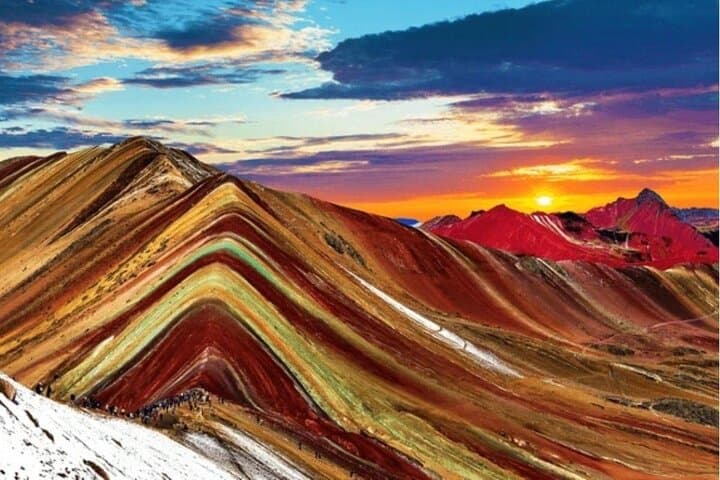
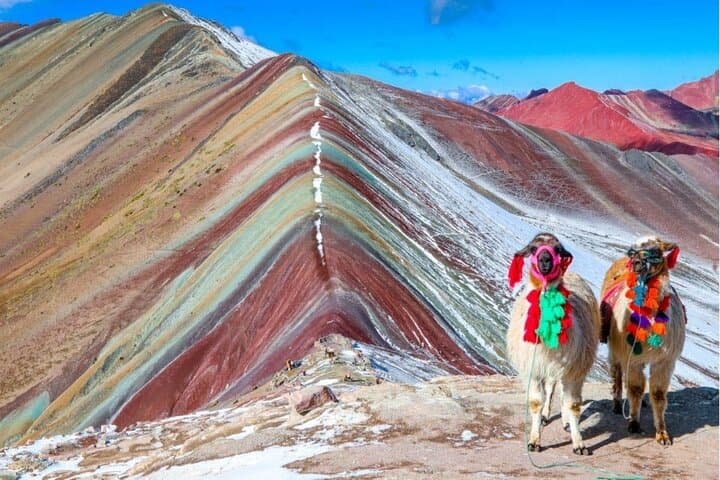
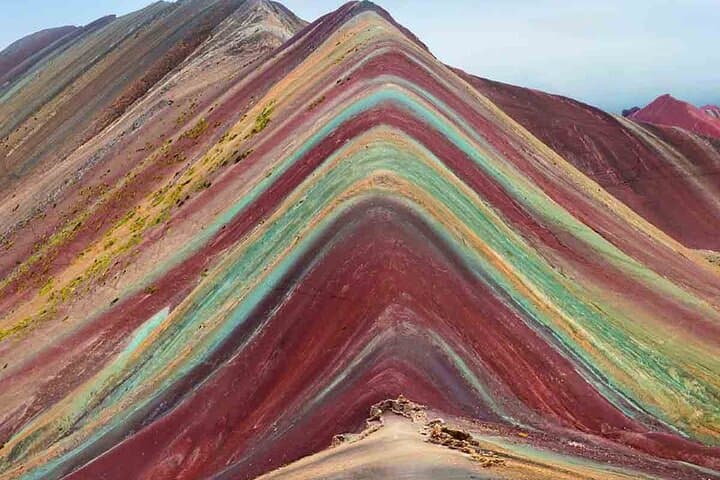
Geology explains the picture: iron and copper oxides laid bare by millennia of uplift and glacial erosion give the slopes their banded pigments. The mountain sits below the greater Ausangate massif, a sacred peak for Quechua communities whose pastoral rhythms and textile traditions you’ll glimpse in nearby villages. Local guides often weave cultural notes with practical pacing—how to breathe, when to rest, and why llamas and alpacas seem to regard you with patient curiosity.
Expect a 4 km ascent that takes roughly two hours from the trailhead, with the summit around 5,036 m. Weather changes fast: sun can scorch while wind and sleet arrive within an hour. Photography windows are best in the morning for clearer light and fewer visitors, though clouds sometimes add drama to the colors.
Practical guidance: acclimatize in Cusco for 24–48 hours before the hike, carry layered clothing, bring high-calorie snacks and at least 2 liters of water, and plan for an 8–12 hour day including transport. Stay on designated paths, respect local customs, and allow extra time for slow, steady breathing—the mountain rewards patience with a view you’ll remember long after you’ve descended.
challenging.
8–12 hours.
Requires good cardiovascular fitness and some hiking experience; ability to walk uphill at high altitude for 2+ hours.
The walking portion is about 4 km each way with roughly 400–500 m of uphill from the trailhead to the main viewpoint; guides schedule a full‑day trip including transport (≈8–12 hours).
Yes—spend 24–48 hours in Cusco or at intermediate elevation before attempting Vinicunca to lower altitude sickness risk; consider portable oxygen only if symptomatic and follow your guide’s advice.
Early morning offers the clearest light and fewer visitors; cloudy afternoons can mute colors but add dramatic skies—start early to maximize options.
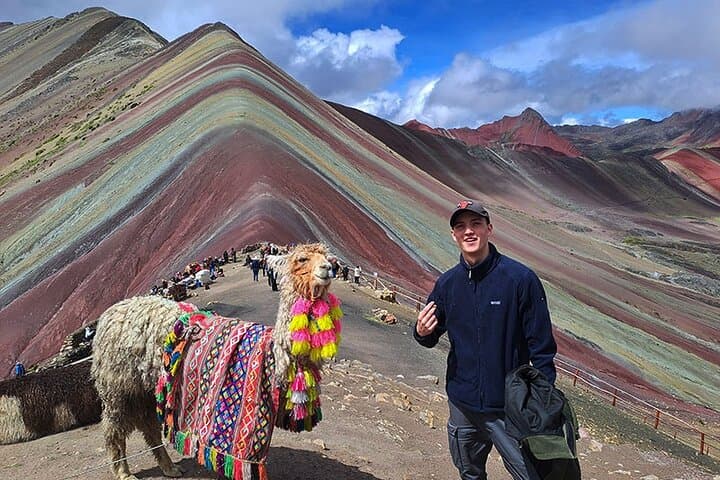
You’ll commonly see llamas and alpacas grazing; some sections have local handlers offering animal photos for a fee—decline if you prefer minimal interaction.
Vinicunca occupies high puna grassland historically used by Quechua herders; the striped colors are exposed mineral layers from Andean uplift and glacial erosion.
Visitor pressure is increasing—stick to marked trails, pack out trash, and support local guides and communities to keep tourism sustainable.
Lama Glama Travel operates guided outdoor trips and adventures with an emphasis on safety, stewardship, and memorable experiences.
You step out of the van before dawn and the air immediately reminds you that altitude is a presence here—thin, sharp, and honest. The road climbs south of Cusco through stunted Polylepis groves and grazing alpacas, then drops you at Phulawasipata (≈4,600 m). From that high plain the trail threads across windswept tundra, rising steadily toward the chromatic ridgeline of Vinicunca.
You step out of the van before dawn and the air immediately reminds you that altitude is a presence here—thin, sharp, and honest. The road climbs south of Cusco through stunted Polylepis groves and grazing alpacas, then drops you at Phulawasipata (≈4,600 m). From that high plain the trail threads across windswept tundra, rising steadily toward the chromatic ridgeline of Vinicunca.
Geology explains the picture: iron and copper oxides laid bare by millennia of uplift and glacial erosion give the slopes their banded pigments. The mountain sits below the greater Ausangate massif, a sacred peak for Quechua communities whose pastoral rhythms and textile traditions you’ll glimpse in nearby villages. Local guides often weave cultural notes with practical pacing—how to breathe, when to rest, and why llamas and alpacas seem to regard you with patient curiosity.
Expect a 4 km ascent that takes roughly two hours from the trailhead, with the summit around 5,036 m. Weather changes fast: sun can scorch while wind and sleet arrive within an hour. Photography windows are best in the morning for clearer light and fewer visitors, though clouds sometimes add drama to the colors.
Practical guidance: acclimatize in Cusco for 24–48 hours before the hike, carry layered clothing, bring high-calorie snacks and at least 2 liters of water, and plan for an 8–12 hour day including transport. Stay on designated paths, respect local customs, and allow extra time for slow, steady breathing—the mountain rewards patience with a view you’ll remember long after you’ve descended.