THE ADVENTURE COLLECTIVE® · Independent discovery and booking for outdoor travel

A full-day trek from Cusco to Vinicunca (Rainbow Mountain) delivers high-altitude views, mineral-striped slopes, and a real taste of Andean pastoral life. This guide covers what to expect on the trail, how to prepare for the altitude, and practical tips for making the most of the day.
A full-day trek from Cusco to Vinicunca (Rainbow Mountain) delivers high-altitude views, mineral-striped slopes, and a real taste of Andean pastoral life. This guide covers what to expect on the trail, how to prepare for the altitude, and practical tips for making the most of the day.
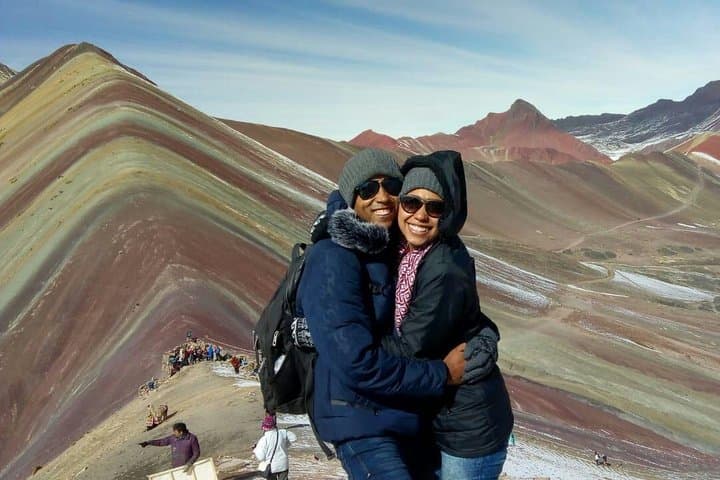
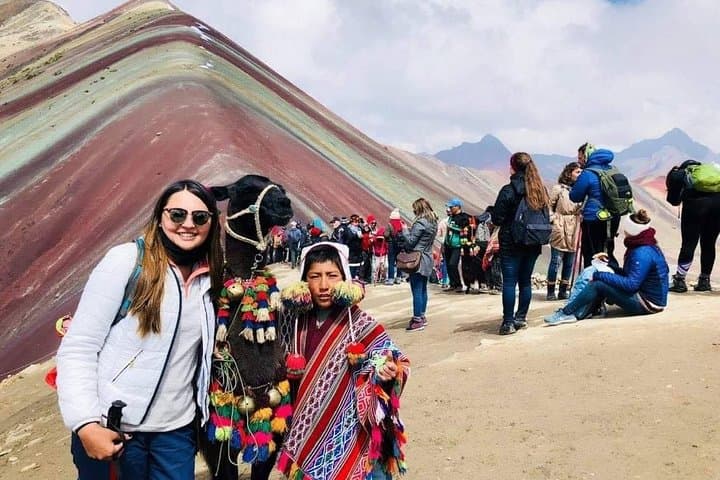
Sunlight at 5,000 meters cuts like a blade across the slopes as you crest the final rise and the stripes of Vinicunca fan out—rust, ochre, mint and umber stacked on a highland shoulder. The air is thin, the sky outrageously blue, and the llamas on the moraine watch as visitors steady themselves for photographs that feel earned.
Verified experiences and guided adventures in the surrounding area.
Operated by Mamaquqa Travel · Cusco, Cusco Region
Sunlight at 5,000 meters cuts like a blade across the slopes as you crest the final rise and the stripes of Vinicunca fan out—rust, ochre, mint and umber stacked on a highland shoulder. The air is thin, the sky outrageously blue, and the llamas on the moraine watch as visitors steady themselves for photographs that feel earned.
Geology explains the palette: oxidized iron, copper and other minerals exposed by uplift and glacial erosion in the Ausangate massif. The mountain sits on ancestral high Andean grazing lands where Quechua communities have managed alpacas and llamas for centuries; the route traces pastoral trails more than modern switchbacks. That cultural continuity is visible in the stone corrals and small seasonal settlements that dot the approach.
Practicalities matter here. Typical itineraries run 10–12 hours total from Cusco with 3 hours of walking on the high trail—expect roughly 5–7 km roundtrip and 400–700 m of elevation gain depending on the pick-up point, finishing near ~5,000–5,200 m. Terrain is puna grass, rocky bootpaths and occasional loose scree; weather can flip from sun to sleet in hours. Operators commonly include breakfast, lunch, an air-conditioned transfer and walking poles; some carry oxygen and first-aid trained guides.
Plan for steady pacing, mandatory acclimatization in Cusco for at least 48 hours, and conservative expectations: shortness of breath at the summit is normal. Bring layered clothing, a strong sun kit, hydration and snacks, and give yourself time—both for the climb and to appreciate the landscape’s raw, high-altitude character.
challenging.
10–12 hours.
Should have good aerobic fitness and experience with sustained uphill walking at altitude; be able to hike for several hours with breaks.
The summit area sits around 5,000–5,200 m; the hike is challenging due to altitude and 400–700 m of ascent over roughly 5–7 km roundtrip—pace yourself and allow for rest.
Yes—spend at least 48 hours in Cusco with light activity before attempting the hike to reduce the risk of altitude sickness.
The dry season (May–September) offers the most stable weather and clear views; the wet season (Dec–Mar) has more rain and muddy trails.
Most full-day tours include transportation, breakfast, lunch, and a guide; there are basic toilets at the trailhead but limited services on the route.
Vinicunca is part of the Ausangate range and sits on Quechua pastoral lands; the colored strata were exposed by uplift and glacial retreat and lie within landscapes long used for highland herding.
The puna grassland is fragile—stay on marked trails, avoid leaving waste, and respect livestock; increasing visitor numbers have prompted local regulations to limit impact.
Mamaquqa Travel operates guided outdoor trips and adventures with an emphasis on safety, stewardship, and memorable experiences.
Sunlight at 5,000 meters cuts like a blade across the slopes as you crest the final rise and the stripes of Vinicunca fan out—rust, ochre, mint and umber stacked on a highland shoulder. The air is thin, the sky outrageously blue, and the llamas on the moraine watch as visitors steady themselves for photographs that feel earned.
Sunlight at 5,000 meters cuts like a blade across the slopes as you crest the final rise and the stripes of Vinicunca fan out—rust, ochre, mint and umber stacked on a highland shoulder. The air is thin, the sky outrageously blue, and the llamas on the moraine watch as visitors steady themselves for photographs that feel earned.
Geology explains the palette: oxidized iron, copper and other minerals exposed by uplift and glacial erosion in the Ausangate massif. The mountain sits on ancestral high Andean grazing lands where Quechua communities have managed alpacas and llamas for centuries; the route traces pastoral trails more than modern switchbacks. That cultural continuity is visible in the stone corrals and small seasonal settlements that dot the approach.
Practicalities matter here. Typical itineraries run 10–12 hours total from Cusco with 3 hours of walking on the high trail—expect roughly 5–7 km roundtrip and 400–700 m of elevation gain depending on the pick-up point, finishing near ~5,000–5,200 m. Terrain is puna grass, rocky bootpaths and occasional loose scree; weather can flip from sun to sleet in hours. Operators commonly include breakfast, lunch, an air-conditioned transfer and walking poles; some carry oxygen and first-aid trained guides.
Plan for steady pacing, mandatory acclimatization in Cusco for at least 48 hours, and conservative expectations: shortness of breath at the summit is normal. Bring layered clothing, a strong sun kit, hydration and snacks, and give yourself time—both for the climb and to appreciate the landscape’s raw, high-altitude character.