THE ADVENTURE COLLECTIVE® · Independent discovery and booking for outdoor travel

A full-day outing from Cusco takes you to Vinicunca—Rainbow Mountain—where high-altitude geology and Andean culture meet in a striking banded slope. This guide covers what to expect, how to prepare, and practical tips for acclimatizing and photographing the colors.
A full-day outing from Cusco takes you to Vinicunca—Rainbow Mountain—where high-altitude geology and Andean culture meet in a striking banded slope. This guide covers what to expect, how to prepare, and practical tips for acclimatizing and photographing the colors.
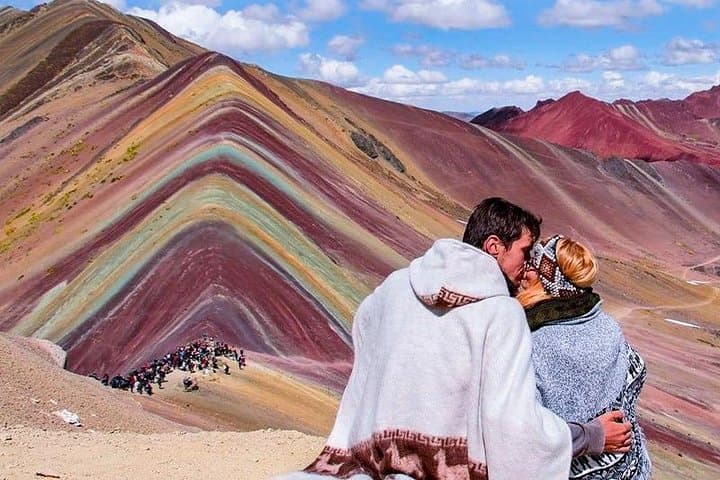
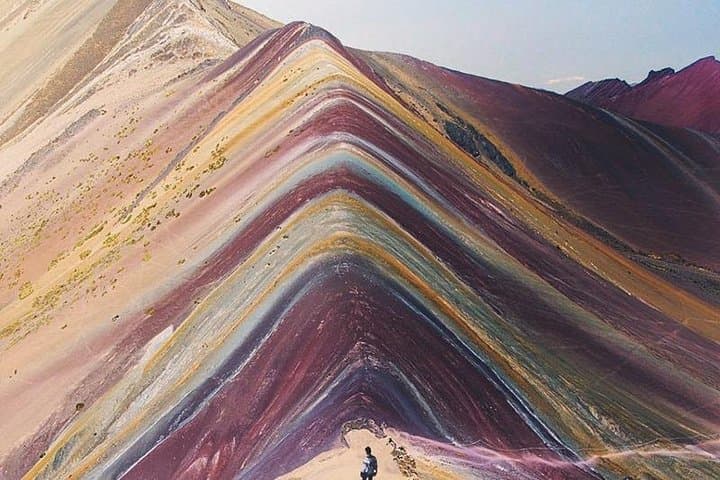
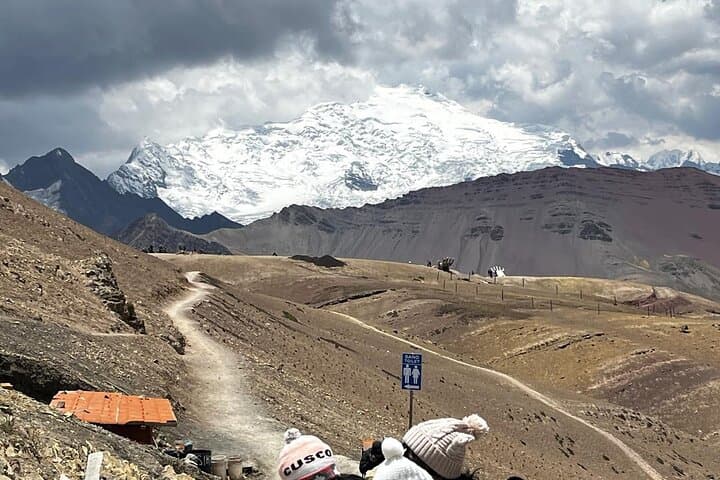
You step out before dawn into a high, thin light and the van hums east toward Ausangate. By the time the road gives way to scrub and stone, the Andes have already begun to show their weather: wind sharpening ridgelines, clouds folding around glacier shoulders. The final walk opens onto a sweep of color—rust, ochre, turquoise and rose banded across a slope that seems to have been painted by the earth itself.
Verified experiences and guided adventures in the surrounding area.
Operated by Machupicchu Andes · Cusco, Cusco Region
You step out before dawn into a high, thin light and the van hums east toward Ausangate. By the time the road gives way to scrub and stone, the Andes have already begun to show their weather: wind sharpening ridgelines, clouds folding around glacier shoulders. The final walk opens onto a sweep of color—rust, ochre, turquoise and rose banded across a slope that seems to have been painted by the earth itself.
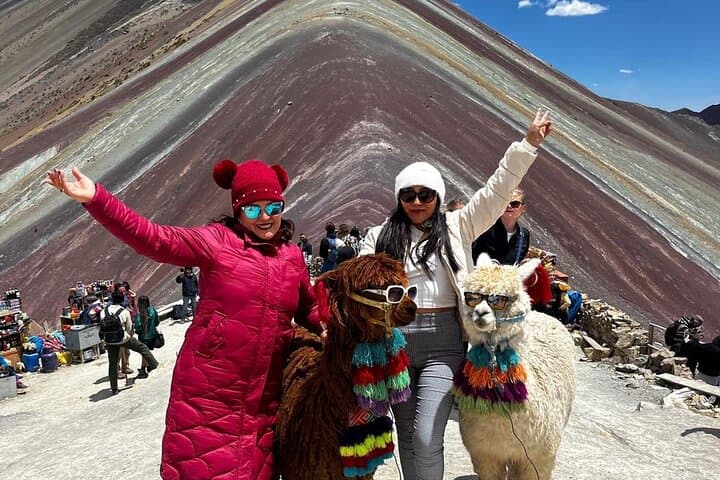
Vinicunca, commonly called Rainbow Mountain, is a product of uplift and erosion in the Vilcanota range. Layers of mineral deposits—iron oxides, copper salts, and other sediments—were tilted by tectonic forces and then exposed by wind and water. The surrounding landscape is deeply Incan country: pastoral terraces, herds of llamas and alpacas, and the sacred Ausangate peak that figures in local Andean cosmology.
Expect a long but manageable day: most operators run 10–12 hour outings from Cusco that include hotel pickup, breakfast, a 4–6 km round-trip hike with 350–500 m of climbing, and stops in the Sacred Valley—Chinchero, Moray and Ollantaytambo—on the return. Altitude is the real variable; the viewing ridge sits near 5,000 m, so acclimatize in Cusco for at least 48–72 hours, hydrate, and move deliberately on the ascent. Footwear with grip, layered warm clothing, sun protection and snacks will make the difference between a slog and a memorable summit moment.
Timing matters: morning light brings the colors into relief but the weather turns fast—afternoon storms and winds are common. Respect grazing areas, follow your guide, and leave no trace of your visit: the mountain’s palette is fragile, and the communities who steward these high pastures depend on it.
moderate.
10–12 hours.
Should be comfortable walking 4–6 km with 350–500 m of ascent at high altitude; good aerobic fitness and prior acclimatization recommended
The walking portion is typically 4–6 km round-trip with roughly 350–500 m of elevation gain; many tours include driving time so the full-day excursion lasts about 10–12 hours.
Yes—Vinicunca sits near 5,000 m; acclimatize in Cusco for 48–72 hours, stay hydrated, avoid heavy alcohol before the hike, and descend if symptoms worsen.
The dry season (May–September) offers the most reliable visibility and trail conditions; avoid the wet season (Nov–Mar) when trails can be muddy and colors obscured by cloud.
Many day tours include park admission, hotel pickup, breakfast and lunch—confirm specifics with your operator before booking; this tour description lists transport and meals as included.
The Vilcanota range is central to Andean spiritual geography—Ausangate is an Apu (sacred mountain) in local Quechua belief and the valleys hold pre-Columbian agricultural terraces and trade routes.
High-altitude soils and pigment-bearing sediments are fragile; stay on designated trails, avoid walking on colored stripes, and support local guides and community-run services to reduce impacts.
Machupicchu Andes operates guided outdoor trips and adventures with an emphasis on safety, stewardship, and memorable experiences.
You step out before dawn into a high, thin light and the van hums east toward Ausangate. By the time the road gives way to scrub and stone, the Andes have already begun to show their weather: wind sharpening ridgelines, clouds folding around glacier shoulders. The final walk opens onto a sweep of color—rust, ochre, turquoise and rose banded across a slope that seems to have been painted by the earth itself.
You step out before dawn into a high, thin light and the van hums east toward Ausangate. By the time the road gives way to scrub and stone, the Andes have already begun to show their weather: wind sharpening ridgelines, clouds folding around glacier shoulders. The final walk opens onto a sweep of color—rust, ochre, turquoise and rose banded across a slope that seems to have been painted by the earth itself.
Vinicunca, commonly called Rainbow Mountain, is a product of uplift and erosion in the Vilcanota range. Layers of mineral deposits—iron oxides, copper salts, and other sediments—were tilted by tectonic forces and then exposed by wind and water. The surrounding landscape is deeply Incan country: pastoral terraces, herds of llamas and alpacas, and the sacred Ausangate peak that figures in local Andean cosmology.
Expect a long but manageable day: most operators run 10–12 hour outings from Cusco that include hotel pickup, breakfast, a 4–6 km round-trip hike with 350–500 m of climbing, and stops in the Sacred Valley—Chinchero, Moray and Ollantaytambo—on the return. Altitude is the real variable; the viewing ridge sits near 5,000 m, so acclimatize in Cusco for at least 48–72 hours, hydrate, and move deliberately on the ascent. Footwear with grip, layered warm clothing, sun protection and snacks will make the difference between a slog and a memorable summit moment.
Timing matters: morning light brings the colors into relief but the weather turns fast—afternoon storms and winds are common. Respect grazing areas, follow your guide, and leave no trace of your visit: the mountain’s palette is fragile, and the communities who steward these high pastures depend on it.