THE ADVENTURE COLLECTIVE® · Independent discovery and booking for outdoor travel

Rise early and head into the Andean highlands for Vinicunca—Rainbow Mountain. This practical one-day guide covers what you’ll see, the geology and culture behind the colors, and the logistics to make the 9–10 hour outing manageable at high altitude.
Rise early and head into the Andean highlands for Vinicunca—Rainbow Mountain. This practical one-day guide covers what you’ll see, the geology and culture behind the colors, and the logistics to make the 9–10 hour outing manageable at high altitude.
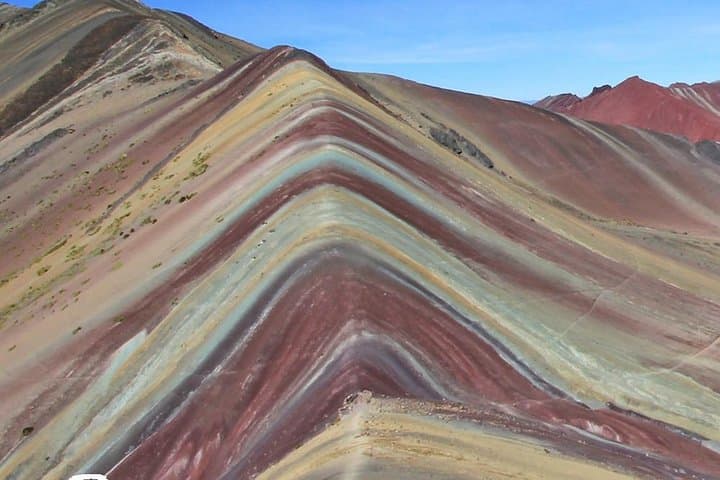
Dawn breaks as the minibus teeth the dark road out of Cusco; air at 4:30 a.m. hits like a reminder you’ve climbed into thin-country. By the time you reach the high puna, the mountain of seven colors looms—stripes of iron-rich red, green clays and ochres pushed into bands by tectonic pressure—its hues daring you to step closer.
Verified experiences and guided adventures in the surrounding area.
Operated by Andean Perú Trip Advisors · Cusco, Cusco Region
Dawn breaks as the minibus teeth the dark road out of Cusco; air at 4:30 a.m. hits like a reminder you’ve climbed into thin-country. By the time you reach the high puna, the mountain of seven colors looms—stripes of iron-rich red, green clays and ochres pushed into bands by tectonic pressure—its hues daring you to step closer.
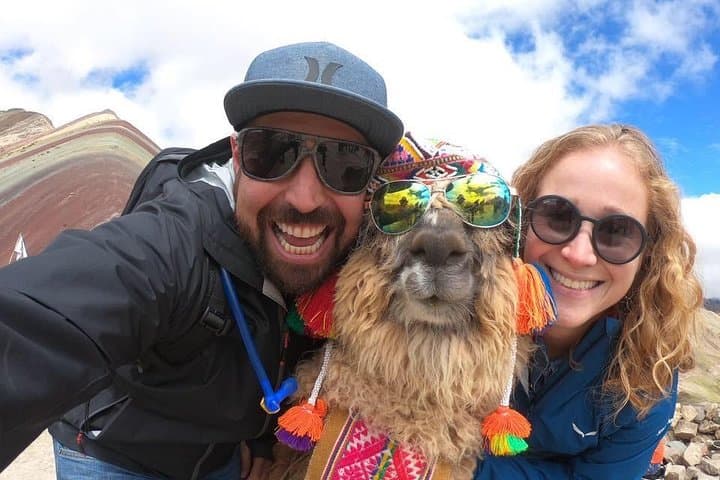
Geology here is visible history: uplifted sedimentary layers, mineral staining and glacial polishing combine to paint Vinicunca. The peak sits on the eastern flank of the Ausangate massif, an area with strong Andean pastoral traditions; you’ll pass small stone hamlets where Quechua remains the working language and llamas graze with surgical indifference.
The standard day tour leaves early from Cusco, pauses in Cusipata for breakfast, then drives to the trailhead. Expect roughly 4–5 km round-trip on rocky, high-altitude terrain with 400–700 m of elevation change depending on where the vehicle drops you. The climb is steady; if you rent a horse for part of it, the animals do the heavy breathing for you, but the final uphill requires firm footing.
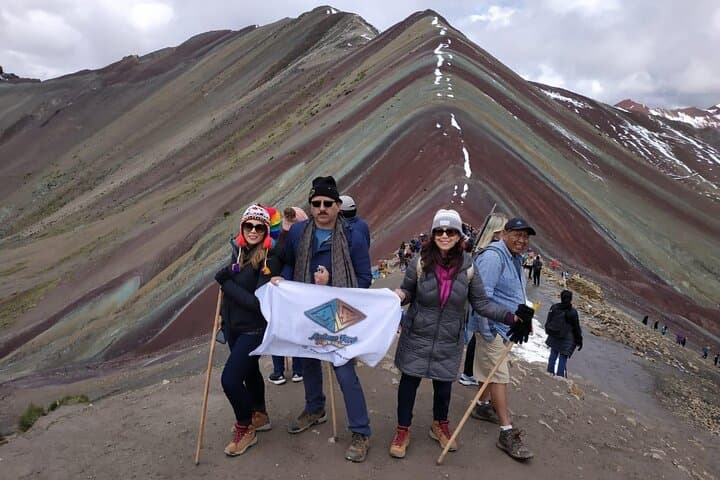
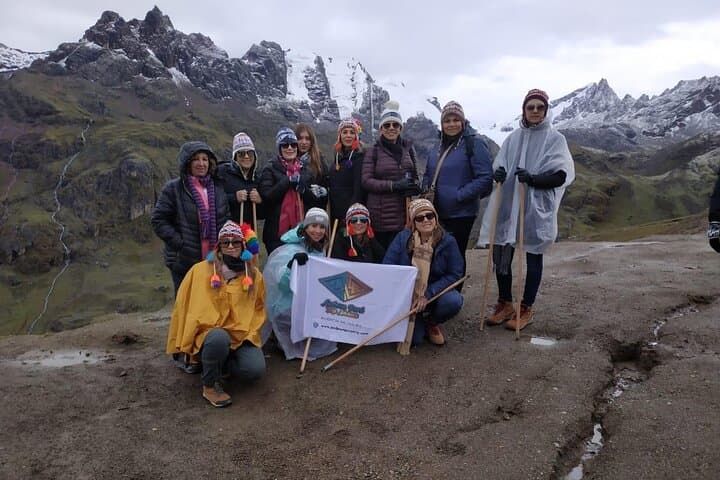
Practical guidance: acclimate in Cusco for at least 24–48 hours, carry 2–3 L water, sun protection and windproof layers. Trekking poles and sturdy boots make the trail easier; toilets are limited and the summit stop is usually 20–40 minutes—bring a camera and respect local offerings. Tours typically include transport, buffet lunch in Cusipata, and an explanation of altitude precautions; plan for a 9–10 hour day. On arrival, let the mountain have its moment—stand still, breathe, and let the colors sharpen as the sun climbs.
moderate.
9–10 hours.
Moderate aerobic fitness with prior light hiking helpful; must be acclimatized to high altitude.
The route is moderate: 4–5 km round-trip with 400–700 m elevation gain. Difficulty comes mainly from altitude rather than technical terrain.
Yes; many operators coordinate local horse rentals to ease the ascent, though the final section is steep and may require walking.
The dry season (May–September) offers clearer skies and firmer trails; the wet season brings muddy trails and limited visibility.
Some visitors experience mild symptoms; acclimatize in Cusco, hydrate, move slowly and consider coca tea or travel-grade acetazolamide after consulting a doctor.
Vinicunca’s colorful bands are the product of millions of years of sedimentation followed by uplift from Andean tectonics; local Quechua communities have grazed these highlands for generations.
Rising visitation stresses fragile puna vegetation and creates waste issues; stick to trails, pack out trash and support local guides and community fees.
Andean Perú Trip Advisors operates guided outdoor trips and adventures with an emphasis on safety, stewardship, and memorable experiences.
Dawn breaks as the minibus teeth the dark road out of Cusco; air at 4:30 a.m. hits like a reminder you’ve climbed into thin-country. By the time you reach the high puna, the mountain of seven colors looms—stripes of iron-rich red, green clays and ochres pushed into bands by tectonic pressure—its hues daring you to step closer.
Dawn breaks as the minibus teeth the dark road out of Cusco; air at 4:30 a.m. hits like a reminder you’ve climbed into thin-country. By the time you reach the high puna, the mountain of seven colors looms—stripes of iron-rich red, green clays and ochres pushed into bands by tectonic pressure—its hues daring you to step closer.
Geology here is visible history: uplifted sedimentary layers, mineral staining and glacial polishing combine to paint Vinicunca. The peak sits on the eastern flank of the Ausangate massif, an area with strong Andean pastoral traditions; you’ll pass small stone hamlets where Quechua remains the working language and llamas graze with surgical indifference.
The standard day tour leaves early from Cusco, pauses in Cusipata for breakfast, then drives to the trailhead. Expect roughly 4–5 km round-trip on rocky, high-altitude terrain with 400–700 m of elevation change depending on where the vehicle drops you. The climb is steady; if you rent a horse for part of it, the animals do the heavy breathing for you, but the final uphill requires firm footing.
Practical guidance: acclimate in Cusco for at least 24–48 hours, carry 2–3 L water, sun protection and windproof layers. Trekking poles and sturdy boots make the trail easier; toilets are limited and the summit stop is usually 20–40 minutes—bring a camera and respect local offerings. Tours typically include transport, buffet lunch in Cusipata, and an explanation of altitude precautions; plan for a 9–10 hour day. On arrival, let the mountain have its moment—stand still, breathe, and let the colors sharpen as the sun climbs.