THE ADVENTURE COLLECTIVE® · Independent discovery and booking for outdoor travel

A full-day guided trip from Cusco to Vinicunca (Rainbow Mountain) that climbs to about 5,080 m to reveal dramatic mineral stripes and Andean panoramas. Expect a 1–1.5 hour hike, breakfast and lunch included, and strong altitude exposure.
A full-day guided trip from Cusco to Vinicunca (Rainbow Mountain) that climbs to about 5,080 m to reveal dramatic mineral stripes and Andean panoramas. Expect a 1–1.5 hour hike, breakfast and lunch included, and strong altitude exposure.
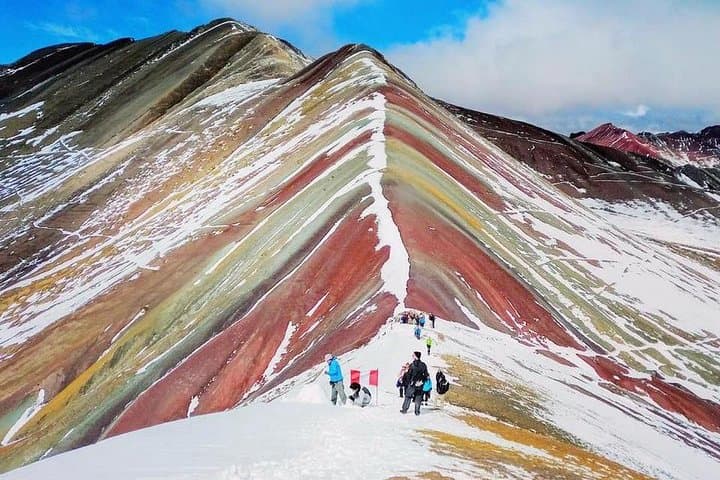
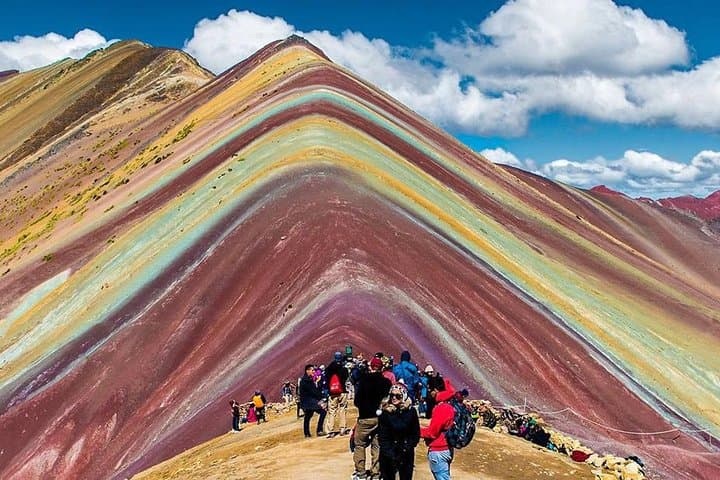
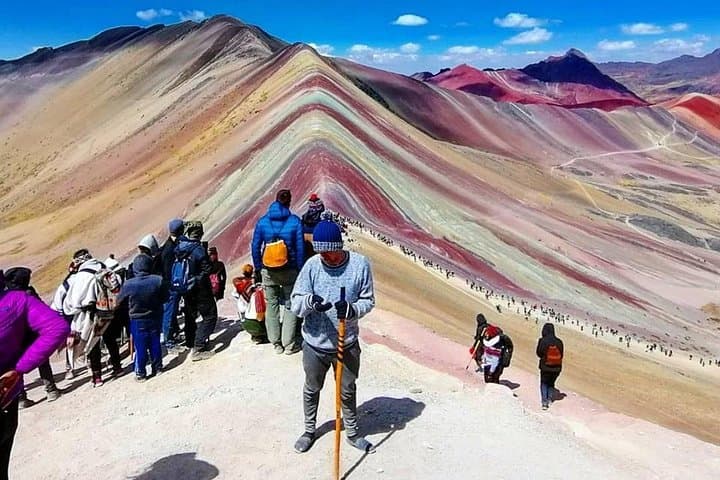
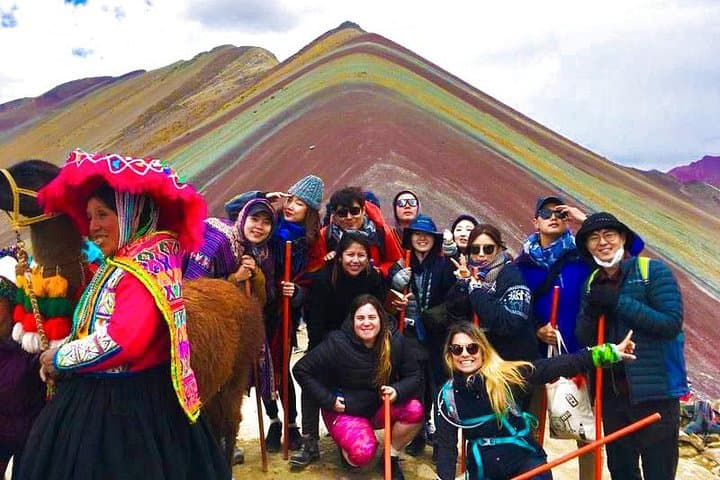
You leave Cusco before dawn, the van swallowing narrow Andean roads as stars fade behind serrated ridgelines. By sunrise the puna opens: winds that seem to push you forward, herds of llamas pausing like slow-moving punctuation, and the scrub-brushed slopes revealing bands of ochre, rose, and teal. At the Vinicunca viewpoint, the colors spread across steep strata — minerals laid down, uplifted, and exposed — and the air tastes thin and sharp at 5,080 meters.
Verified experiences and guided adventures in the surrounding area.
Operated by Qente travel · Cusco, Cusco
You leave Cusco before dawn, the van swallowing narrow Andean roads as stars fade behind serrated ridgelines. By sunrise the puna opens: winds that seem to push you forward, herds of llamas pausing like slow-moving punctuation, and the scrub-brushed slopes revealing bands of ochre, rose, and teal. At the Vinicunca viewpoint, the colors spread across steep strata — minerals laid down, uplifted, and exposed — and the air tastes thin and sharp at 5,080 meters.
Geology explains the spectacle: layered deposits of iron oxides, copper, and other minerals within sedimentary and volcanic rocks give Rainbow Mountain its stripes. The area sits on the eastern flank of the Ausangate massif, part of a landscape long shaped by glaciation and Andean orogeny. Local Quechua communities historically herd alpacas and llamas here and will often perform small ceremonies or sell handmade textiles at trailheads.
Practical guidance: the experience is a full day (about 12 hours door-to-door). Expect roughly 3 km round-trip hiking with ~350–400 m of ascent over rocky, windswept tundra; the uphill can be steep and requires steady breathing. Acclimatization in Cusco (3,400 m) for 24–48 hours reduces risk of altitude sickness. Tours typically include early pickup, breakfast stop in Cusipata, guided hike from the checkpoint (Llaqto), and lunch on the return.
Plan layered clothing, sunscreen, and hydration; weather can change fast and visibility is best on the dry season (May–September). The result is an uncompromising high-altitude day that rewards effort with a landscape that feels alive — colors daring you to keep moving forward and vistas that make the climb worth every breath.
moderate.
12 hours (full-day).
Moderate cardiovascular fitness recommended and prior acclimatization; ability to walk on uneven, steep terrain for 1–1.5 hours.
Most guided itineraries include about 3 km round-trip on the trail with roughly 350–400 m of ascent; the guided walk segment is typically 1–1.5 hours total.
Yes—spend at least 24–48 hours in Cusco to lower the risk of altitude sickness; guides also recommend light activity and hydration beforehand.
The trail is short but at high elevation; while many ages complete it, those with heart or severe mobility issues are discouraged due to thin air and steep sections.
Tours may proceed in light snow or drizzle, but visibility can be poor; check cancellation/refund policies and confirm with the operator about severe weather contingencies.
Vinicunca sits on trade and herding routes used by Quechua-speaking communities for centuries; the striking colors are the result of layered mineral deposits uplifted by Andean tectonics.
The site sees heavy day-tour traffic; stick to established trails, avoid littering, and support local guides to help ensure sustainable visitation.
Qente travel operates guided outdoor trips and adventures with an emphasis on safety, stewardship, and memorable experiences.
You leave Cusco before dawn, the van swallowing narrow Andean roads as stars fade behind serrated ridgelines. By sunrise the puna opens: winds that seem to push you forward, herds of llamas pausing like slow-moving punctuation, and the scrub-brushed slopes revealing bands of ochre, rose, and teal. At the Vinicunca viewpoint, the colors spread across steep strata — minerals laid down, uplifted, and exposed — and the air tastes thin and sharp at 5,080 meters.
You leave Cusco before dawn, the van swallowing narrow Andean roads as stars fade behind serrated ridgelines. By sunrise the puna opens: winds that seem to push you forward, herds of llamas pausing like slow-moving punctuation, and the scrub-brushed slopes revealing bands of ochre, rose, and teal. At the Vinicunca viewpoint, the colors spread across steep strata — minerals laid down, uplifted, and exposed — and the air tastes thin and sharp at 5,080 meters.
Geology explains the spectacle: layered deposits of iron oxides, copper, and other minerals within sedimentary and volcanic rocks give Rainbow Mountain its stripes. The area sits on the eastern flank of the Ausangate massif, part of a landscape long shaped by glaciation and Andean orogeny. Local Quechua communities historically herd alpacas and llamas here and will often perform small ceremonies or sell handmade textiles at trailheads.
Practical guidance: the experience is a full day (about 12 hours door-to-door). Expect roughly 3 km round-trip hiking with ~350–400 m of ascent over rocky, windswept tundra; the uphill can be steep and requires steady breathing. Acclimatization in Cusco (3,400 m) for 24–48 hours reduces risk of altitude sickness. Tours typically include early pickup, breakfast stop in Cusipata, guided hike from the checkpoint (Llaqto), and lunch on the return.
Plan layered clothing, sunscreen, and hydration; weather can change fast and visibility is best on the dry season (May–September). The result is an uncompromising high-altitude day that rewards effort with a landscape that feels alive — colors daring you to keep moving forward and vistas that make the climb worth every breath.