THE ADVENTURE COLLECTIVE® · Independent discovery and booking for outdoor travel

Set out before dawn from Cusco for a full-day trek to Vinicunca — the Rainbow Mountain whose striped slopes flash with mineral hues. This practical guide covers geology, local culture and the logistics needed to take on the high‑altitude day hike.
Set out before dawn from Cusco for a full-day trek to Vinicunca — the Rainbow Mountain whose striped slopes flash with mineral hues. This practical guide covers geology, local culture and the logistics needed to take on the high‑altitude day hike.
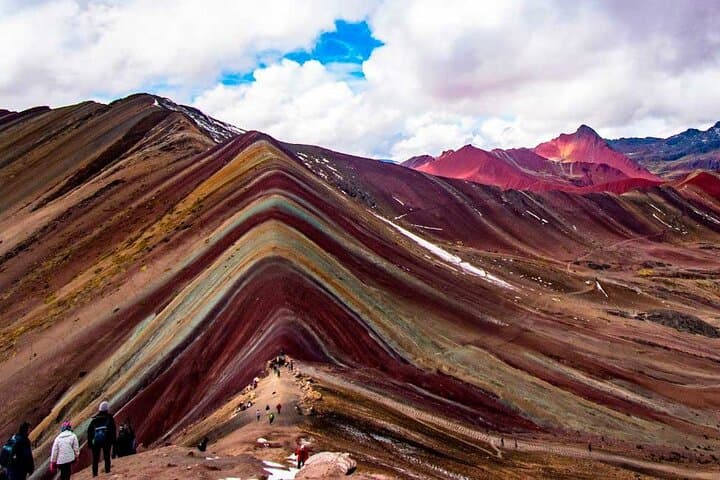
Dawn breaks on the high Andes as minivans thread narrow passes toward the start of the Vinicunca hike. The road opens to a wind-scoured plateau where guides check oxygen and adjust gaiters; below, ridgelines peel away in bands of rust, ochre, mint and lavender. The mountain doesn’t wait — the colors change with sun angle and wind, daring visitors to move closer for a clearer view.
Verified experiences and guided adventures in the surrounding area.
Operated by Ausangate trail · Cusco, Cusco Region
Dawn breaks on the high Andes as minivans thread narrow passes toward the start of the Vinicunca hike. The road opens to a wind-scoured plateau where guides check oxygen and adjust gaiters; below, ridgelines peel away in bands of rust, ochre, mint and lavender. The mountain doesn’t wait — the colors change with sun angle and wind, daring visitors to move closer for a clearer view.
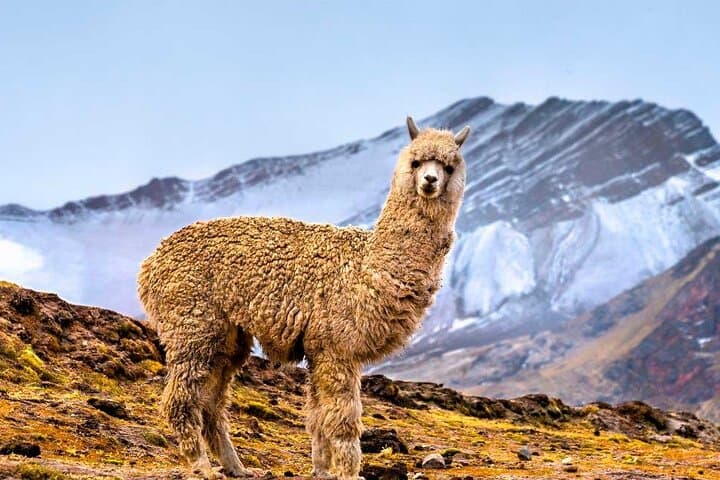
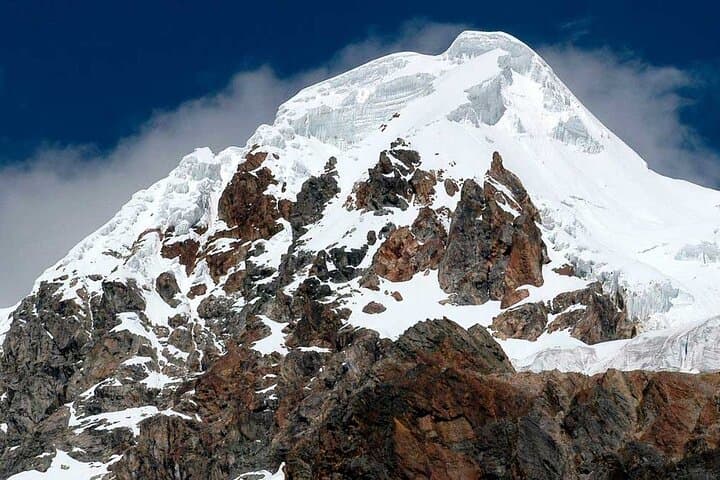
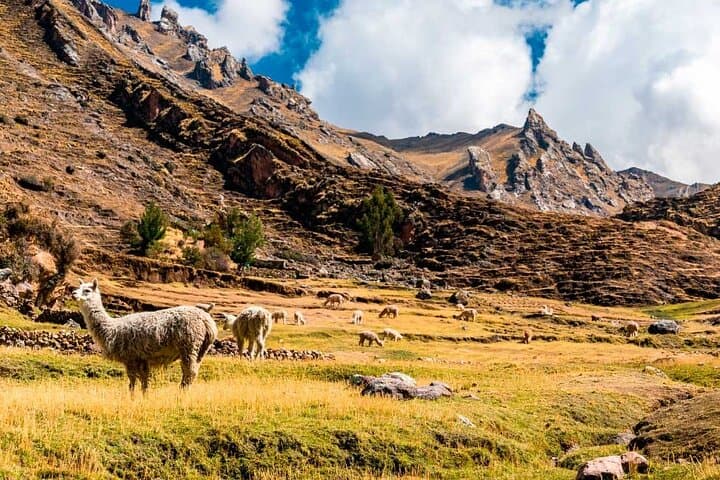
The “7-Color” stripes are a recent geological billboard: ancient sedimentary layers uplifted by the Andes and painted by mineral oxidation over millennia. Local Quechua communities regard the surrounding peaks, including Ausangate, as apus — sacred mountain spirits — and the trail threads through grazing land where llamas and herders are a constant presence.
Practical planning is straightforward but non-negotiable. The full-day operation runs very early from Cusco (pickups often 3:30–4:30 a.m.), with a 2–3 hour uphill hike at 4,800–5,000 m. Expect thin air, strong sun, and cold wind; guides provide orientation, a boxed lunch and the option to rent horses for part of the ascent. Footing is a mix of compacted trail and loose scree; trekking poles and layered clothing matter more than speed.
Timing your visit for clear skies yields the best colors; cloudy afternoons mute them. Acclimatize in Cusco for 48–72 hours if possible, drink frequently, and monitor for altitude symptoms. Photographers should arrive early to capture the ridgeline at low sun, then step back to enjoy the landscape — the mountain rewards patience as much as effort.
moderate.
12–14 hours.
Moderate fitness recommended; able to hike 2–3 hours uphill at high altitude and handle steep sections.
The hike is rated moderate due to altitude and 2–3 hours of steady uphill walking; basic fitness and acclimatization are essential.
Altitude sickness can affect anyone; acclimatize in Cusco, hydrate, avoid alcohol, and descend immediately if symptoms worsen.
Most tours include round-trip transport from central Cusco and breakfast plus lunch, but confirm specifics when booking.
Yes — horses are commonly available at the trailhead for an additional fee, though riders should be comfortable on uneven terrain.
The color bands are layered sediments oxidized over millions of years; the area is traditionally used by Quechua herders who honor surrounding peaks as apus.
High visitor numbers have increased trail erosion and waste; stick to established paths, pack out trash, and support communities offering guided services.
Ausangate trail operates guided outdoor trips and adventures with an emphasis on safety, stewardship, and memorable experiences.
Dawn breaks on the high Andes as minivans thread narrow passes toward the start of the Vinicunca hike. The road opens to a wind-scoured plateau where guides check oxygen and adjust gaiters; below, ridgelines peel away in bands of rust, ochre, mint and lavender. The mountain doesn’t wait — the colors change with sun angle and wind, daring visitors to move closer for a clearer view.
Dawn breaks on the high Andes as minivans thread narrow passes toward the start of the Vinicunca hike. The road opens to a wind-scoured plateau where guides check oxygen and adjust gaiters; below, ridgelines peel away in bands of rust, ochre, mint and lavender. The mountain doesn’t wait — the colors change with sun angle and wind, daring visitors to move closer for a clearer view.
The “7-Color” stripes are a recent geological billboard: ancient sedimentary layers uplifted by the Andes and painted by mineral oxidation over millennia. Local Quechua communities regard the surrounding peaks, including Ausangate, as apus — sacred mountain spirits — and the trail threads through grazing land where llamas and herders are a constant presence.
Practical planning is straightforward but non-negotiable. The full-day operation runs very early from Cusco (pickups often 3:30–4:30 a.m.), with a 2–3 hour uphill hike at 4,800–5,000 m. Expect thin air, strong sun, and cold wind; guides provide orientation, a boxed lunch and the option to rent horses for part of the ascent. Footing is a mix of compacted trail and loose scree; trekking poles and layered clothing matter more than speed.
Timing your visit for clear skies yields the best colors; cloudy afternoons mute them. Acclimatize in Cusco for 48–72 hours if possible, drink frequently, and monitor for altitude symptoms. Photographers should arrive early to capture the ridgeline at low sun, then step back to enjoy the landscape — the mountain rewards patience as much as effort.