THE ADVENTURE COLLECTIVE® · Independent discovery and booking for outdoor travel

Rise before dawn to climb through high Andean grasslands to Vinicunca (Rainbow Mountain), a 5,036 m spectacle of mineral bands. This day hike from Cusco blends dramatic geology, Apu-focused culture and high-altitude trekking—plan for rapid weather shifts and altitude acclimatization.
Rise before dawn to climb through high Andean grasslands to Vinicunca (Rainbow Mountain), a 5,036 m spectacle of mineral bands. This day hike from Cusco blends dramatic geology, Apu-focused culture and high-altitude trekking—plan for rapid weather shifts and altitude acclimatization.
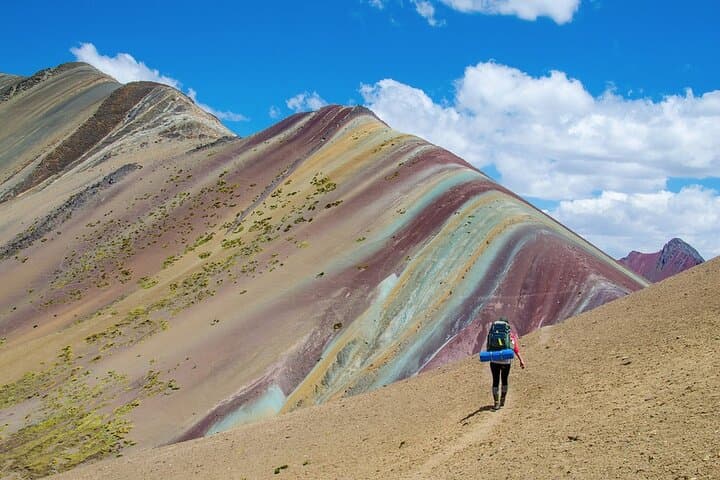
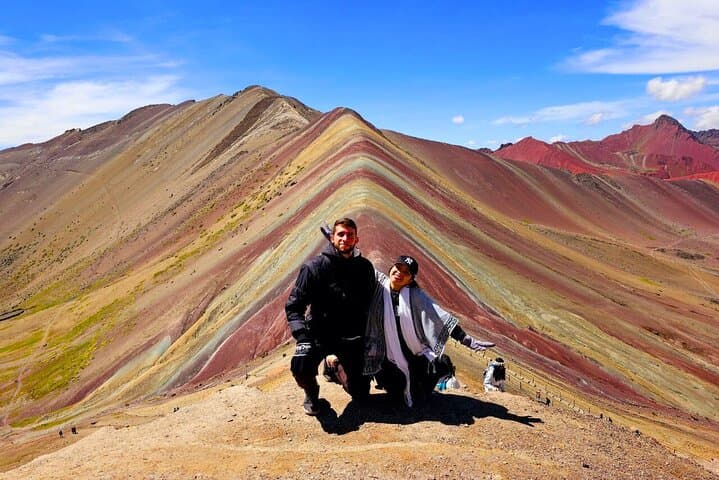
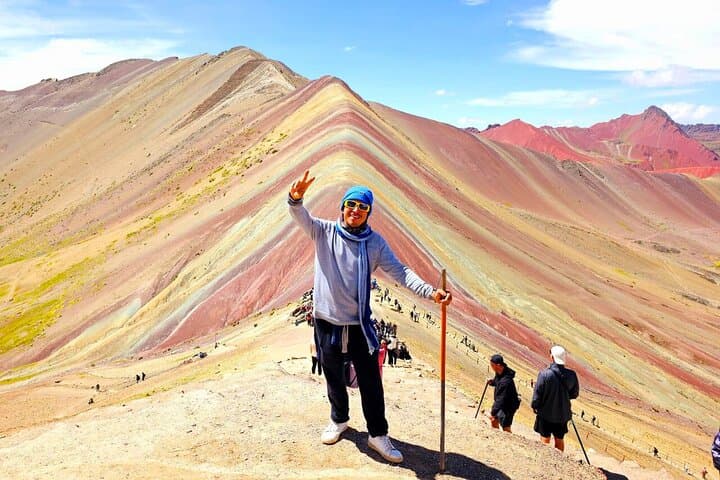
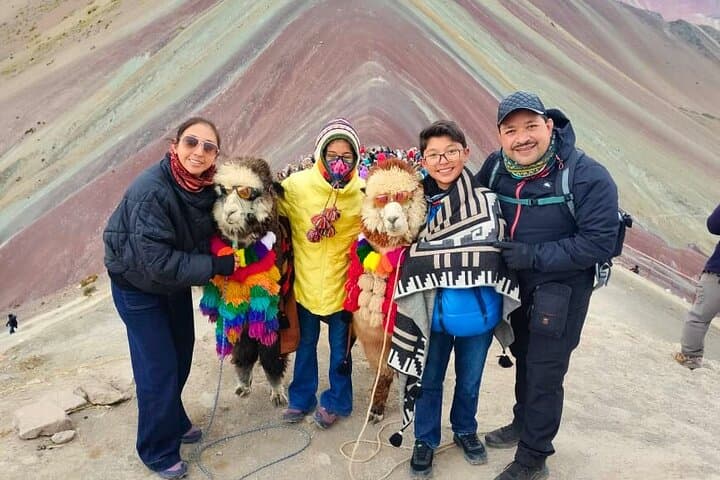
Before sunrise the minibus slides out of Cusco into a cold, thin light; by 4:30 a.m. walkers gather in Cusipata to stoke breakfast and fasten gaiters. The approach climbs into puna grasslands where herds of llamas dot the ridge lines and Ausangate, the region’s snow-capped Apu, broods over the valley. The final slope reveals the banded face of Vinicunca — mineral strata washed in reds, ochres, greens and purples at 5,036 m.
Verified experiences and guided adventures in the surrounding area.
Operated by Viajaxmundo Perú · Cusco, Cusco
Before sunrise the minibus slides out of Cusco into a cold, thin light; by 4:30 a.m. walkers gather in Cusipata to stoke breakfast and fasten gaiters. The approach climbs into puna grasslands where herds of llamas dot the ridge lines and Ausangate, the region’s snow-capped Apu, broods over the valley. The final slope reveals the banded face of Vinicunca — mineral strata washed in reds, ochres, greens and purples at 5,036 m.
Those stripes are geology in motion: sedimentary layers altered by mineral oxidation and uplift from the Andean orogeny, exposed by erosion. For local Quechua communities Ausangate and the surrounding cordillera are sacred; visits pass through grazing lands and small hamlets where weaving and highland agriculture remain daily practice.
Expect a roughly 6 km trek from the trailhead with an estimated 350–600 m of elevation gain on rocky switchbacks and patches of loose scree. Weather turns fast — sun, wind and snow can all arrive within an hour — so pace for altitude rather than speed. Guides commonly include trekking poles, a warm lunch in Cusipata, and hotel pickup from Cusco.
Practical edge: acclimatize in Cusco (3–4 days if possible), drink often, use high-SPF sunscreen and a sun hat, and carry layered insulation for the summit. The viewpoint is brief but spectacular; give yourself time at the top to move slowly and descend deliberately. Return to Cusipata for a hot meal before the afternoon drive back to Cusco.
challenging.
10–12 hours.
Good cardiovascular fitness and prior high-altitude walking experience recommended; ability to walk continuous uphill for 2–3 hours.
The walking section is about 6 km round-trip from the trailhead with roughly 350–600 m of elevation gain; difficulty is challenging primarily due to altitude rather than technical terrain.
Yes — spending 2–3 days in Cusco or another high-altitude location before the tour reduces the risk of altitude sickness and improves your comfort on the hike.
Most operators include the entrance fee to Vinicunca; confirm with your provider but this tour lists entrance fees as included in its inclusions.
This trek is not recommended for people with heart problems, serious back issues, pregnant travelers, or those unable to sustain moderate uphill hiking at altitude.
Ausangate is regarded as an Apu (sacred mountain) in Quechua cosmology; the area has long been used for seasonal herding and ritual offerings.
High foot traffic has increased erosion on trails—stay on established paths, pack out trash, and support local guides who follow responsible-visit practices.
Viajaxmundo Perú operates guided outdoor trips and adventures with an emphasis on safety, stewardship, and memorable experiences.
Before sunrise the minibus slides out of Cusco into a cold, thin light; by 4:30 a.m. walkers gather in Cusipata to stoke breakfast and fasten gaiters. The approach climbs into puna grasslands where herds of llamas dot the ridge lines and Ausangate, the region’s snow-capped Apu, broods over the valley. The final slope reveals the banded face of Vinicunca — mineral strata washed in reds, ochres, greens and purples at 5,036 m.
Before sunrise the minibus slides out of Cusco into a cold, thin light; by 4:30 a.m. walkers gather in Cusipata to stoke breakfast and fasten gaiters. The approach climbs into puna grasslands where herds of llamas dot the ridge lines and Ausangate, the region’s snow-capped Apu, broods over the valley. The final slope reveals the banded face of Vinicunca — mineral strata washed in reds, ochres, greens and purples at 5,036 m.
Those stripes are geology in motion: sedimentary layers altered by mineral oxidation and uplift from the Andean orogeny, exposed by erosion. For local Quechua communities Ausangate and the surrounding cordillera are sacred; visits pass through grazing lands and small hamlets where weaving and highland agriculture remain daily practice.
Expect a roughly 6 km trek from the trailhead with an estimated 350–600 m of elevation gain on rocky switchbacks and patches of loose scree. Weather turns fast — sun, wind and snow can all arrive within an hour — so pace for altitude rather than speed. Guides commonly include trekking poles, a warm lunch in Cusipata, and hotel pickup from Cusco.
Practical edge: acclimatize in Cusco (3–4 days if possible), drink often, use high-SPF sunscreen and a sun hat, and carry layered insulation for the summit. The viewpoint is brief but spectacular; give yourself time at the top to move slowly and descend deliberately. Return to Cusipata for a hot meal before the afternoon drive back to Cusco.