THE ADVENTURE COLLECTIVE® · Independent discovery and booking for outdoor travel

Leave Cusco before dawn for a long day into the high Andes and the striking banded slopes of Vinicunca (Rainbow Mountain). This full-day trek mixes high-altitude hiking, Quechua culture, and dramatic geology—prepare for thin air, quick weather shifts, and unforgettable views.
Leave Cusco before dawn for a long day into the high Andes and the striking banded slopes of Vinicunca (Rainbow Mountain). This full-day trek mixes high-altitude hiking, Quechua culture, and dramatic geology—prepare for thin air, quick weather shifts, and unforgettable views.
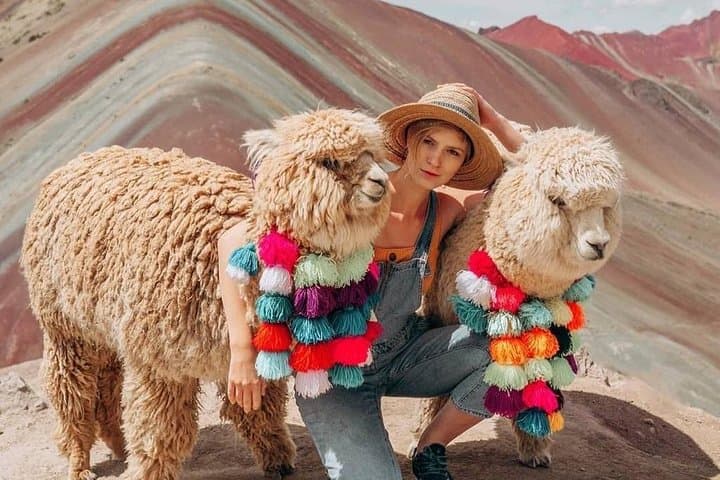
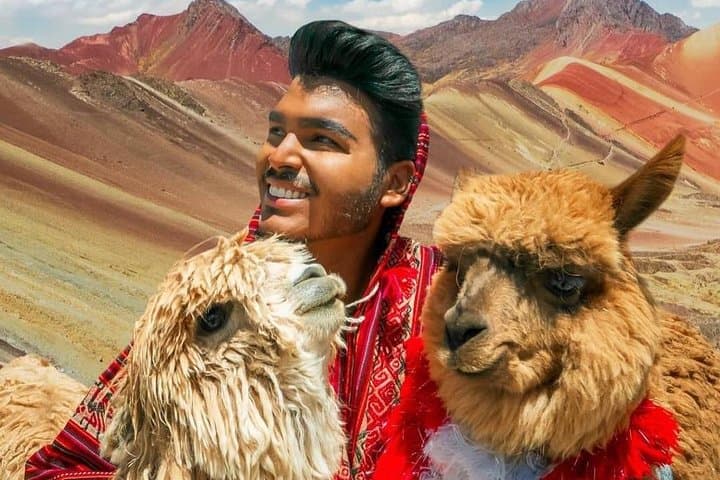
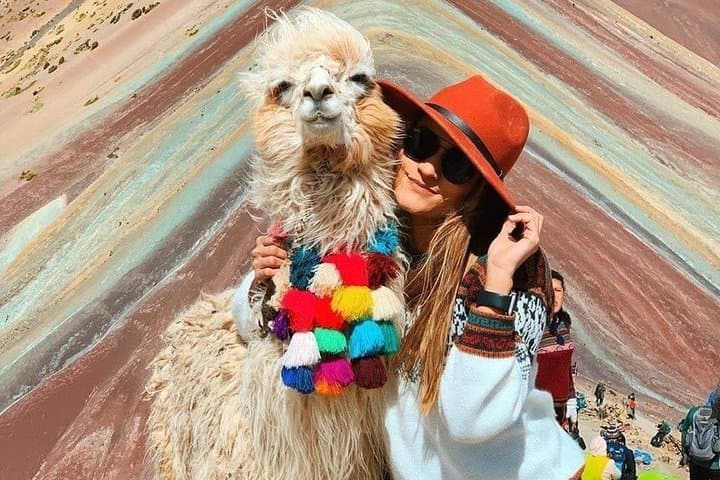
Pre-dawn air bites as the minibus rolls out of Cusco; headlights carve a path through starlit valleys and the Andes press close like an audience. By the time you reach Pitumarca the sun is low and the trail smells of damp grass and horse sweat. The final switchbacks climb into thin air where the mountain reveals bands of rust, ochre, emerald and cream—colors laid down by iron, copper and other minerals and then scraped into stripes by glaciers and erosion.
Verified experiences and guided adventures in the surrounding area.
Operated by My Cusco Trip · Cusco, Cusco Region
Pre-dawn air bites as the minibus rolls out of Cusco; headlights carve a path through starlit valleys and the Andes press close like an audience. By the time you reach Pitumarca the sun is low and the trail smells of damp grass and horse sweat. The final switchbacks climb into thin air where the mountain reveals bands of rust, ochre, emerald and cream—colors laid down by iron, copper and other minerals and then scraped into stripes by glaciers and erosion.
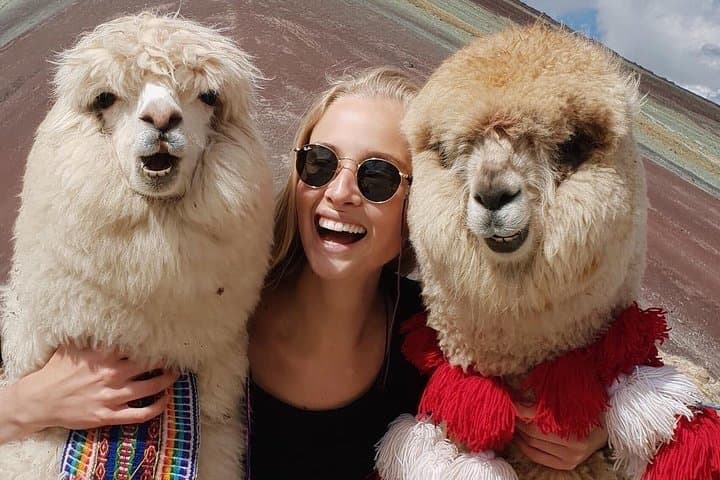
Vinicunca, called the Mountain of Colors in Quechua, sits in an area shaped by tectonics and ancient ice, a high-Andean corridor once traversed by Inca footpaths. Local Quechua communities still herd llamas and tend terraced fields; a brief stop in Pitumarca often yields fresh coca tea and simple shepherd bread.
Practical guidance is straightforward: the day starts very early (often around 4:30 a.m.), it’s a long 12–14 hour outing from Cusco, and the summit sits above 5,000 m where the air is thin. Expect rocky, uneven trail and short steep pitches; many visitors rent horses for the ascent. Dress in layers for rapid temperature swings, bring sunscreen and a full water supply, and allow time to acclimatize in Cusco prior to the hike.
Photographers should plan composition around midday light for the clearest colors, but also watch for fast-moving clouds that can suddenly mute hues. Stay on the designated path to protect fragile soils and local grazing areas. With preparation, this day trip is an elemental Andean experience: raw, high, and vividly colored.
challenging.
12–14 hours.
Requires good cardiovascular fitness and experience with long day-hikes at high altitude; expect steep short sections and thin air.
The walk to the viewpoint from the trailhead is typically 1.5–3 hours each way depending on fitness; expect 12–14 hours door-to-door from Cusco including transport and meals.
Yes—spend at least 24–48 hours in Cusco or lower-altitude stops beforehand to lower altitude sickness risk; symptoms require descending and rest.
Yes, local horse rentals are commonly offered at the trailhead for about US$25–35; service quality varies so check the animal’s condition and your own limits.
Entrance fees to the Vinicunca area are typically handled by tour operators; independent trekkers should check current local regulations and pay any park or access fees at the visitor point.
The area is within traditional Quechua territory and near ancient Inca routes; local communities have grazed these high meadows for centuries.
Tourism has increased erosion and trail widening—stick to marked paths, avoid single-use plastics, and support community guides to ensure income stays local.
My Cusco Trip operates guided outdoor trips and adventures with an emphasis on safety, stewardship, and memorable experiences.
Pre-dawn air bites as the minibus rolls out of Cusco; headlights carve a path through starlit valleys and the Andes press close like an audience. By the time you reach Pitumarca the sun is low and the trail smells of damp grass and horse sweat. The final switchbacks climb into thin air where the mountain reveals bands of rust, ochre, emerald and cream—colors laid down by iron, copper and other minerals and then scraped into stripes by glaciers and erosion.
Pre-dawn air bites as the minibus rolls out of Cusco; headlights carve a path through starlit valleys and the Andes press close like an audience. By the time you reach Pitumarca the sun is low and the trail smells of damp grass and horse sweat. The final switchbacks climb into thin air where the mountain reveals bands of rust, ochre, emerald and cream—colors laid down by iron, copper and other minerals and then scraped into stripes by glaciers and erosion.
Vinicunca, called the Mountain of Colors in Quechua, sits in an area shaped by tectonics and ancient ice, a high-Andean corridor once traversed by Inca footpaths. Local Quechua communities still herd llamas and tend terraced fields; a brief stop in Pitumarca often yields fresh coca tea and simple shepherd bread.
Practical guidance is straightforward: the day starts very early (often around 4:30 a.m.), it’s a long 12–14 hour outing from Cusco, and the summit sits above 5,000 m where the air is thin. Expect rocky, uneven trail and short steep pitches; many visitors rent horses for the ascent. Dress in layers for rapid temperature swings, bring sunscreen and a full water supply, and allow time to acclimatize in Cusco prior to the hike.
Photographers should plan composition around midday light for the clearest colors, but also watch for fast-moving clouds that can suddenly mute hues. Stay on the designated path to protect fragile soils and local grazing areas. With preparation, this day trip is an elemental Andean experience: raw, high, and vividly colored.