THE ADVENTURE COLLECTIVE® · Independent discovery and booking for outdoor travel

An accessible yet high-altitude day hike from Cusco, Vinicunca (Rainbow Mountain) delivers surreal mineral stripes and sweeping Andean panoramas. Plan for altitude, sun, and variable trail conditions on this 6 km, high-elevation outing.
An accessible yet high-altitude day hike from Cusco, Vinicunca (Rainbow Mountain) delivers surreal mineral stripes and sweeping Andean panoramas. Plan for altitude, sun, and variable trail conditions on this 6 km, high-elevation outing.
You step off a highland minivan into air that feels noticeably thinner; the sky is a hard, deep blue and the slopes ahead flare in bands of rust, ochre and mint.
Verified experiences and guided adventures in the surrounding area.
Operated by Pacha Expeditions Travel Perú · Cusco, Cusco
You step off a highland minivan into air that feels noticeably thinner; the sky is a hard, deep blue and the slopes ahead flare in bands of rust, ochre and mint.
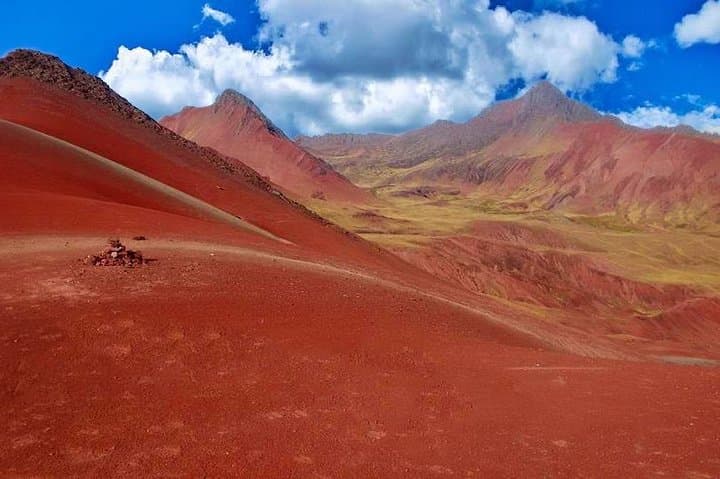
The Vinicunca trail rises quickly from the parking area to the viewpoint, a 3-hour round-trip walk from the trailhead at roughly 4,900 m.a.s.l. The route traverses scree, compacted trail, and short tussocks of puna grass. The color bands on the mountain are layers of mineral-rich sediments—red iron oxides, green chlorites and other minerals exposed by erosion—that give the ridge its famous stripes.
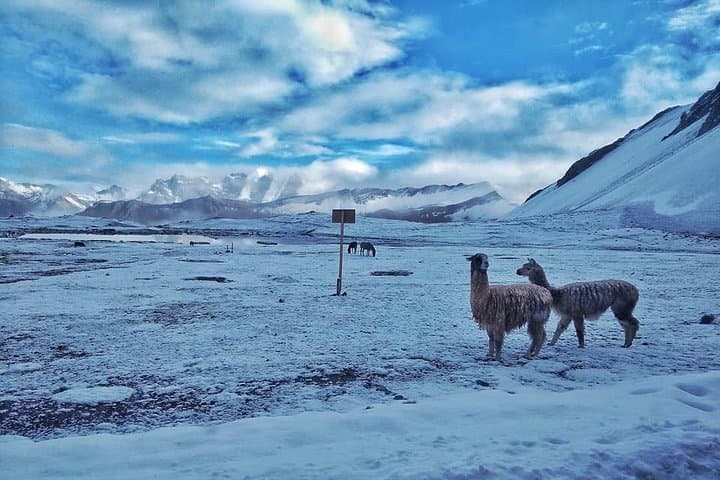
Local Quechua communities and alpaca herders have used these high passes for generations; the route follows ancient paths that connected highland settlements to seasonal pastures. Geologically, the colors are recent revelations in global tourism terms, but the ground itself records millennia of uplift from the Andes’ tectonic squeeze.
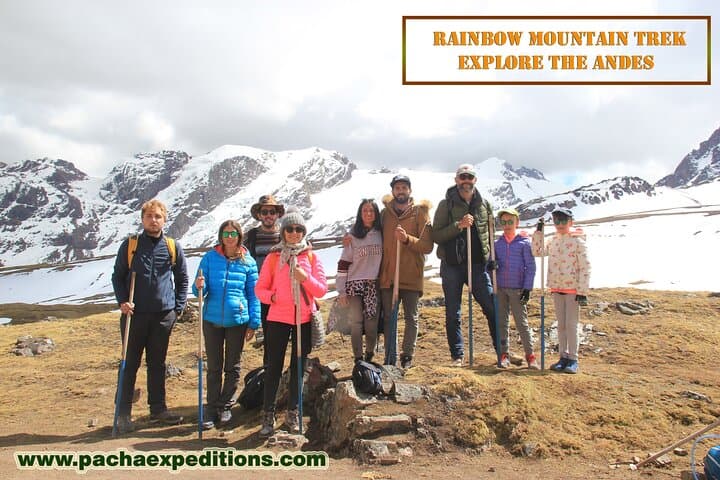
Practically: expect sharp sun, strong wind and big temperature swings. The standard visit includes a 3-hour drive to the trailhead then a 3-hour walk (roughly 6 km round trip with 300–500 m of ascent depending on your start). Acclimatize in Cusco for 24–48 hours if possible, carry warm, layered clothing, and bring at least 2 liters of water. Trails can be muddy in the wet season (Nov–Mar); the clearest views are in the dry months (May–Sep). Guides and private transport are common; many operators offer alternative options like horseback ascents for steeper sections. The payoff is compact and immediate: an otherworldly ridge framed by distant snowy peaks and the constant presence of local highland life.
challenging.
8–10 hours.
Good aerobic fitness for high-altitude walking and short steep sections; prior altitude exposure recommended.
From the common trailhead it's roughly 6 km round trip; walking time is typically about 3 hours round trip depending on pace and acclimatization.
Yes—Vinicunca sits around 4,900 m. Spend 24–48 hours in Cusco or similar altitude beforehand and watch for symptoms of altitude sickness.
The dry season, May through September, offers the most stable weather and clearest skies; heavy rains from November to March can make trails muddy and views hazy.
Many local operators and communities offer horses or mule support for parts of the ascent, but availability depends on the chosen route and local conditions.
The trail follows ancestral Andean footpaths used by Quechua communities and pastoralists; the colorful strata were exposed by glacial retreat and erosion in recent decades and became a major visitor draw within the last 20 years.
Visitor numbers have risen sharply; support local guides, stick to marked trails, and avoid littering to reduce erosion and protect fragile high‑altitude soils.
Pacha Expeditions Travel Perú operates guided outdoor trips and adventures with an emphasis on safety, stewardship, and memorable experiences.
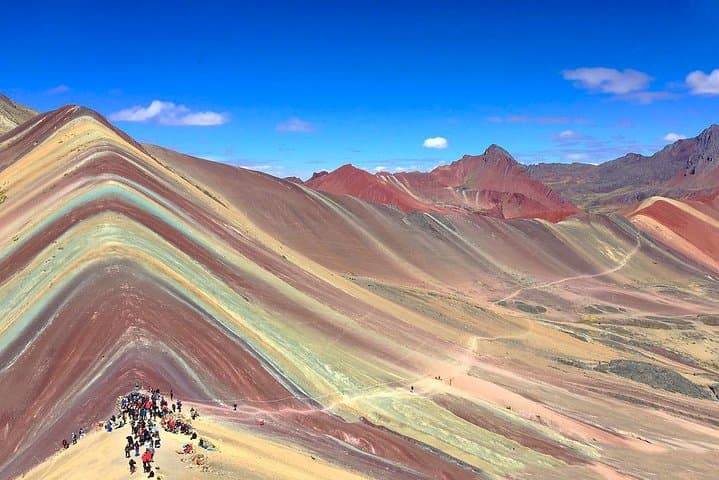
You step off a highland minivan into air that feels noticeably thinner; the sky is a hard, deep blue and the slopes ahead flare in bands of rust, ochre and mint.
You step off a highland minivan into air that feels noticeably thinner; the sky is a hard, deep blue and the slopes ahead flare in bands of rust, ochre and mint.
The Vinicunca trail rises quickly from the parking area to the viewpoint, a 3-hour round-trip walk from the trailhead at roughly 4,900 m.a.s.l. The route traverses scree, compacted trail, and short tussocks of puna grass. The color bands on the mountain are layers of mineral-rich sediments—red iron oxides, green chlorites and other minerals exposed by erosion—that give the ridge its famous stripes.
Local Quechua communities and alpaca herders have used these high passes for generations; the route follows ancient paths that connected highland settlements to seasonal pastures. Geologically, the colors are recent revelations in global tourism terms, but the ground itself records millennia of uplift from the Andes’ tectonic squeeze.
Practically: expect sharp sun, strong wind and big temperature swings. The standard visit includes a 3-hour drive to the trailhead then a 3-hour walk (roughly 6 km round trip with 300–500 m of ascent depending on your start). Acclimatize in Cusco for 24–48 hours if possible, carry warm, layered clothing, and bring at least 2 liters of water. Trails can be muddy in the wet season (Nov–Mar); the clearest views are in the dry months (May–Sep). Guides and private transport are common; many operators offer alternative options like horseback ascents for steeper sections. The payoff is compact and immediate: an otherworldly ridge framed by distant snowy peaks and the constant presence of local highland life.