THE ADVENTURE COLLECTIVE® · Independent discovery and booking for outdoor travel

Stand at 5,000 meters and watch iron-rich stripes, ochres and turquoise peel across slopes that change with the light. This practical guide covers what to expect on the classic Vinicunca day hike from Cusco—terrain, altitude preparation and timing tips.
Stand at 5,000 meters and watch iron-rich stripes, ochres and turquoise peel across slopes that change with the light. This practical guide covers what to expect on the classic Vinicunca day hike from Cusco—terrain, altitude preparation and timing tips.
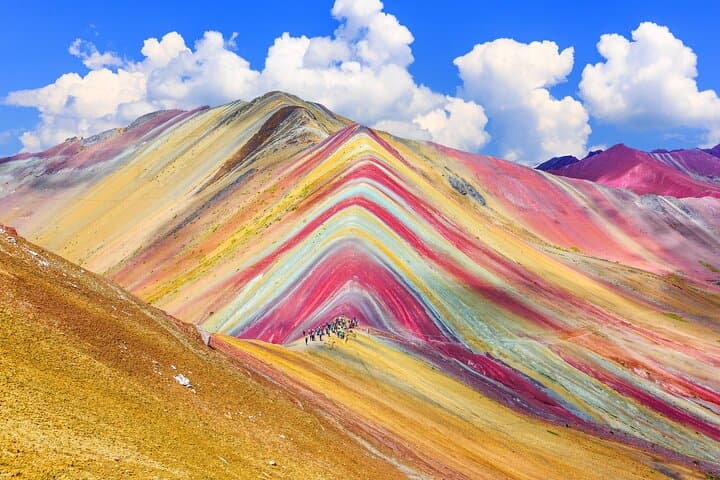
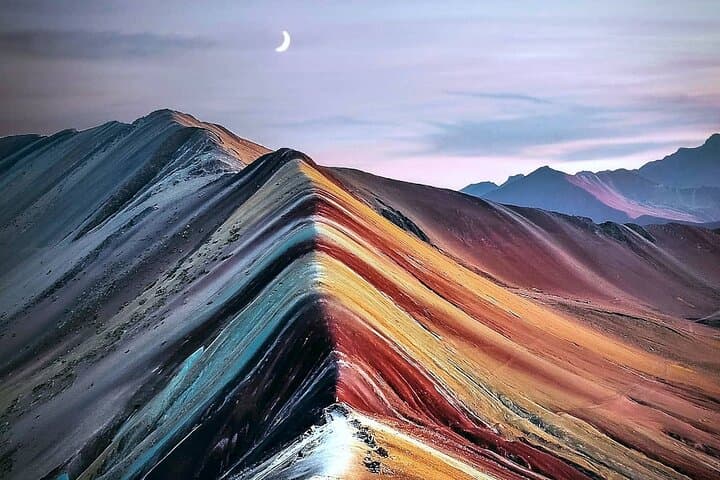
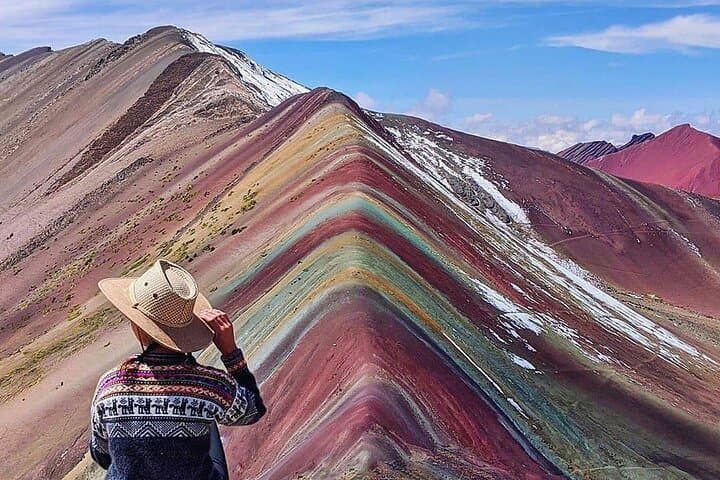
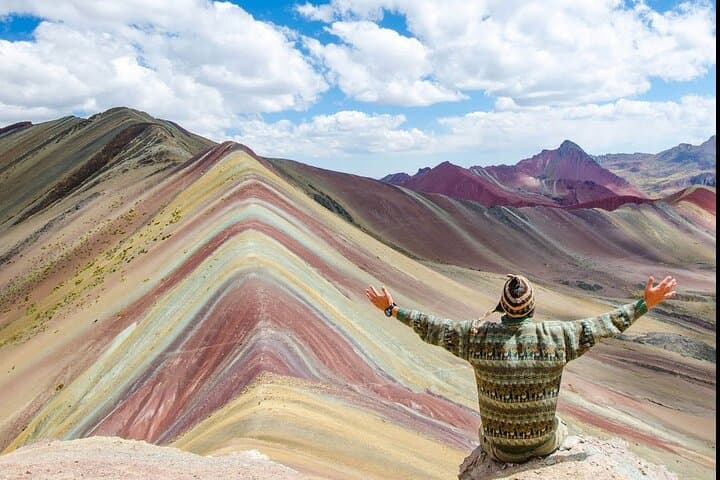
You crest the final ridge and the earth seems repainted—banded swaths of rust, ochre, turquoise, and lavender slice the skyline. Thin air pulls at your lungs and a highland wind pushes past, as llamas graze on red scree below. This is Vinicunca, the famed Mountain of Seven Colors, set high in the Vilcanota range east of Cusco.
Verified experiences and guided adventures in the surrounding area.
Operated by IZI PERU · Cusco, Cusco Region
You crest the final ridge and the earth seems repainted—banded swaths of rust, ochre, turquoise, and lavender slice the skyline. Thin air pulls at your lungs and a highland wind pushes past, as llamas graze on red scree below. This is Vinicunca, the famed Mountain of Seven Colors, set high in the Vilcanota range east of Cusco.
The colors owe their tones to layered mineral deposits: iron oxides, clays, and copper-rich strata uplifted by Andean tectonics and exposed by glacial and wind erosion. Locals from nearby Quechua communities have long used these high pastures for seasonal herding; more recently the site has become a focal point for trekking and cultural exchange, with Ausangate’s snowy mass keeping watch to the south.
A typical tour starts before dawn from Cusco, with a drive to the trailhead and a 1.5–2 hour uphill walk to the viewpoint at roughly 5,000–5,100 m. Terrain is high-elevation tundra—rocky, occasionally muddy, with short steep ramps and exposed ridgelines. Weather changes fast: sun, wind, sleet and blue sky can trade places within an hour.
Plan for slow ascent, acclimatization in Cusco (3,400 m) beforehand, and layers for cold and sun. Hydrate and bring snacks; oxygen and first aid are commonly provided by operators. Horse rentals are available but consider your fitness and the ethical implications for animals. Photographic windows are brief—arrive early to avoid crowds and harsh midday light.
Vinicunca is an elemental, high-altitude encounter: vivid geology under a fragile sky. Respect local trails, pack out waste, and let the mountain keep its colors for the next generation of hikers.
challenging.
10–14 hours (door-to-door).
Good cardiovascular fitness and prior high-altitude exposure recommended; be able to walk 2 hours uphill on uneven terrain.
The walking section from the vehicle parking (Phulawasipata) is about 1.5–2 hours up and 1–1.5 hours down depending on pace and weather.
Yes—Vinicunca sits around 5,000 m; staying in Cusco for 24–48 hours and avoiding heavy exertion on arrival reduces altitude sickness risk.
Local horse rentals are commonly offered for the ascent; they're an option for those who struggle with the climb, but check animal welfare and your fitness before deciding.
Dry season months (May–September) generally offer clearer skies and better photos, with early mornings giving the best light and fewer clouds.
The high pastures around Vinicunca are part of traditional Quechua grazing territory and sit on uplifted sedimentary layers from Andean orogeny; the colorful bands reflect mineral-rich strata exposed by erosion.
Heavy visitation strains fragile wetland and tundra soils—stick to trails, avoid stepping on colored surfaces, and pack out all waste to protect the site.
IZI PERU operates guided outdoor trips and adventures with an emphasis on safety, stewardship, and memorable experiences.
You crest the final ridge and the earth seems repainted—banded swaths of rust, ochre, turquoise, and lavender slice the skyline. Thin air pulls at your lungs and a highland wind pushes past, as llamas graze on red scree below. This is Vinicunca, the famed Mountain of Seven Colors, set high in the Vilcanota range east of Cusco.
You crest the final ridge and the earth seems repainted—banded swaths of rust, ochre, turquoise, and lavender slice the skyline. Thin air pulls at your lungs and a highland wind pushes past, as llamas graze on red scree below. This is Vinicunca, the famed Mountain of Seven Colors, set high in the Vilcanota range east of Cusco.
The colors owe their tones to layered mineral deposits: iron oxides, clays, and copper-rich strata uplifted by Andean tectonics and exposed by glacial and wind erosion. Locals from nearby Quechua communities have long used these high pastures for seasonal herding; more recently the site has become a focal point for trekking and cultural exchange, with Ausangate’s snowy mass keeping watch to the south.
A typical tour starts before dawn from Cusco, with a drive to the trailhead and a 1.5–2 hour uphill walk to the viewpoint at roughly 5,000–5,100 m. Terrain is high-elevation tundra—rocky, occasionally muddy, with short steep ramps and exposed ridgelines. Weather changes fast: sun, wind, sleet and blue sky can trade places within an hour.
Plan for slow ascent, acclimatization in Cusco (3,400 m) beforehand, and layers for cold and sun. Hydrate and bring snacks; oxygen and first aid are commonly provided by operators. Horse rentals are available but consider your fitness and the ethical implications for animals. Photographic windows are brief—arrive early to avoid crowds and harsh midday light.
Vinicunca is an elemental, high-altitude encounter: vivid geology under a fragile sky. Respect local trails, pack out waste, and let the mountain keep its colors for the next generation of hikers.