THE ADVENTURE COLLECTIVE® · Independent discovery and booking for outdoor travel

A full-day guided trek to Vinicunca (Rainbow Mountain) combines high-altitude hiking with striking mineral bands and sweeping views of the Ausangate massif. Plan for a steady ascent to 5,032 m—acclimatize in Cusco and pack layers for rapidly changing weather.
A full-day guided trek to Vinicunca (Rainbow Mountain) combines high-altitude hiking with striking mineral bands and sweeping views of the Ausangate massif. Plan for a steady ascent to 5,032 m—acclimatize in Cusco and pack layers for rapidly changing weather.
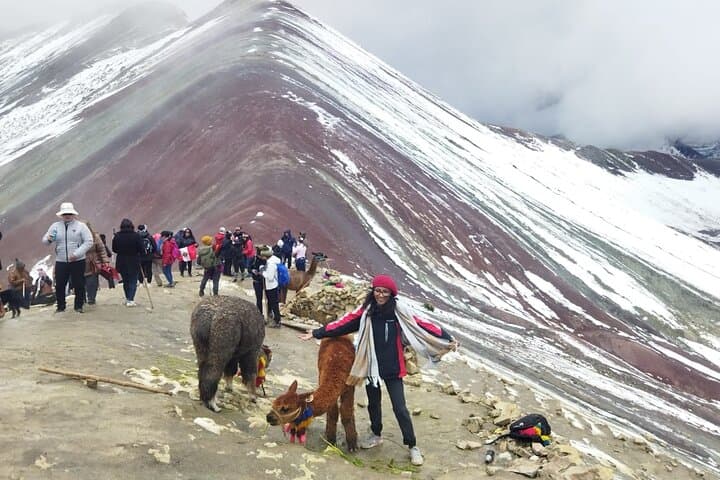
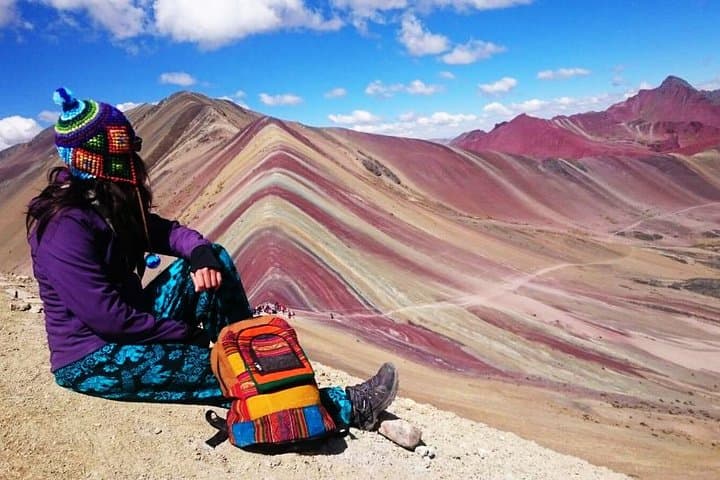
You arrive before dawn as the Andes are still cool and the first light washes the ridges in a thin silver. The trail climbs above a village of stone huts and grazing llamas, and the air sharpens—every breath reminds you you’re moving toward 5,000 meters. By the time the colors appear they feel earned: banded ochres and mint-green stripes cutting across sedimentary slopes, Ausangate’s snowy bulk watching behind like an old guardian.
Verified experiences and guided adventures in the surrounding area.
Operated by Aita Peru Adventures · Cusco, Cusco Region
You arrive before dawn as the Andes are still cool and the first light washes the ridges in a thin silver. The trail climbs above a village of stone huts and grazing llamas, and the air sharpens—every breath reminds you you’re moving toward 5,000 meters. By the time the colors appear they feel earned: banded ochres and mint-green stripes cutting across sedimentary slopes, Ausangate’s snowy bulk watching behind like an old guardian.
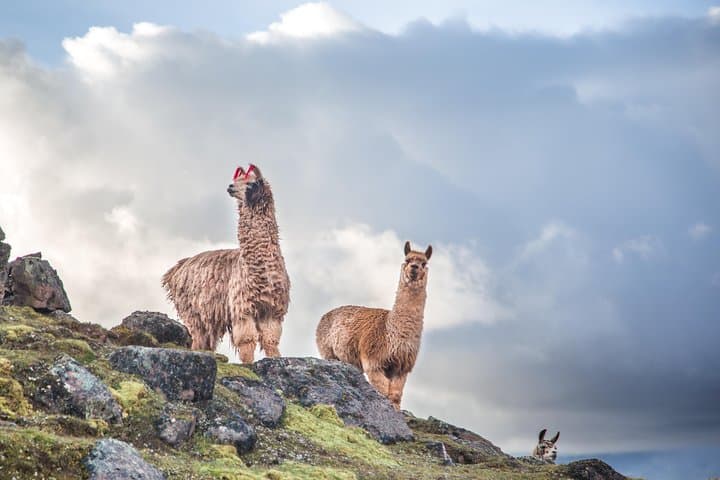
This corridor belongs to the Ausangate massif, shaped by glacial carving and mineral-rich strata that oxidize into the famous pigments. Local Quechua communities have tended high Andean pastures here for centuries; many families still roam with alpacas and maintain thatched homes in the valleys. The route passes bofedales (peaty wetlands) and eroded red gullies—geology and culture stitched together by altitude.
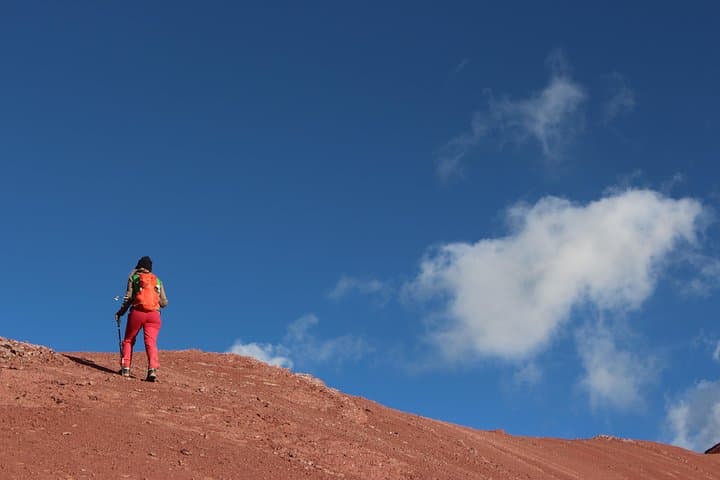
Expect a steady 2–3 hour ascent from the trailhead at roughly 4,600 m to the viewpoint near 5,032 m, with exposed sections and high winds. Guides explain local customs, point out wildlife, and manage logistics so you can focus on pacing and oxygen. Practical things matter: acclimatize in Cusco for at least 24–48 hours, layer against sudden cold, and hydrate deliberately to minimize altitude effects.
Timing is everything—clear morning skies after dry-season nights give the best light and views. Whether you go as a private tour or in a small group, the hike is an elemental Andean experience: sharp, social, and humbling, with the mountain itself daring you to keep climbing.
challenging.
6–10 hours (including transfers).
Good aerobic fitness for steady uphill hiking at high altitude; ability to walk 2–4 hours with breaks.
The trail gains roughly 400–500 m over about 2 hours from the usual trailhead; the altitude makes it feel harder, so pace yourself and use trekking poles.
Most tours include a guide, transport, and entrance fees; guided trips are recommended for navigation, acclimatization support, and local insight.
The dry season (May–September) offers the most stable weather and clearest views; mornings after cold, clear nights are ideal.
Symptoms include headache, nausea, and fatigue—acclimatize in Cusco, ascend slowly, hydrate, avoid heavy alcohol, and descend if severe symptoms appear.
The area lies in the cultural landscape of Ausangate, an Apu (sacred mountain) in Andean cosmology; pastoral traditions here go back centuries.
High-elevation wetlands and grasslands are fragile—stick to established trails, avoid disturbing herds, and support local guides and community-run services.
Aita Peru Adventures operates guided outdoor trips and adventures with an emphasis on safety, stewardship, and memorable experiences.
You arrive before dawn as the Andes are still cool and the first light washes the ridges in a thin silver. The trail climbs above a village of stone huts and grazing llamas, and the air sharpens—every breath reminds you you’re moving toward 5,000 meters. By the time the colors appear they feel earned: banded ochres and mint-green stripes cutting across sedimentary slopes, Ausangate’s snowy bulk watching behind like an old guardian.
You arrive before dawn as the Andes are still cool and the first light washes the ridges in a thin silver. The trail climbs above a village of stone huts and grazing llamas, and the air sharpens—every breath reminds you you’re moving toward 5,000 meters. By the time the colors appear they feel earned: banded ochres and mint-green stripes cutting across sedimentary slopes, Ausangate’s snowy bulk watching behind like an old guardian.
This corridor belongs to the Ausangate massif, shaped by glacial carving and mineral-rich strata that oxidize into the famous pigments. Local Quechua communities have tended high Andean pastures here for centuries; many families still roam with alpacas and maintain thatched homes in the valleys. The route passes bofedales (peaty wetlands) and eroded red gullies—geology and culture stitched together by altitude.
Expect a steady 2–3 hour ascent from the trailhead at roughly 4,600 m to the viewpoint near 5,032 m, with exposed sections and high winds. Guides explain local customs, point out wildlife, and manage logistics so you can focus on pacing and oxygen. Practical things matter: acclimatize in Cusco for at least 24–48 hours, layer against sudden cold, and hydrate deliberately to minimize altitude effects.
Timing is everything—clear morning skies after dry-season nights give the best light and views. Whether you go as a private tour or in a small group, the hike is an elemental Andean experience: sharp, social, and humbling, with the mountain itself daring you to keep climbing.