THE ADVENTURE COLLECTIVE® · Independent discovery and booking for outdoor travel

Taste the bright, mineral-driven wines of Vinho Verde during a small-group, three-hour tour that pairs vineyard walks with guided tastings and regional bites. Learn the region’s history and winemaking while enjoying private transport and a relaxed pace.
Taste the bright, mineral-driven wines of Vinho Verde during a small-group, three-hour tour that pairs vineyard walks with guided tastings and regional bites. Learn the region’s history and winemaking while enjoying private transport and a relaxed pace.
A low-slung road unwinds through patchwork vineyards as Atlantic breezes push across leaves, and the guide steers toward a family-run quinta where stone terraces hold rows of Arinto and Alvarinho. The first sip arrives under a wooden pergola, the wine crisp and bright, the conversation easy: this is northern Portugal’s Vinho Verde country at eye level.
Verified experiences and guided adventures in the surrounding area.
Operated by What A Trip! · Viana do Castelo, Viana do Castelo District
A low-slung road unwinds through patchwork vineyards as Atlantic breezes push across leaves, and the guide steers toward a family-run quinta where stone terraces hold rows of Arinto and Alvarinho. The first sip arrives under a wooden pergola, the wine crisp and bright, the conversation easy: this is northern Portugal’s Vinho Verde country at eye level.
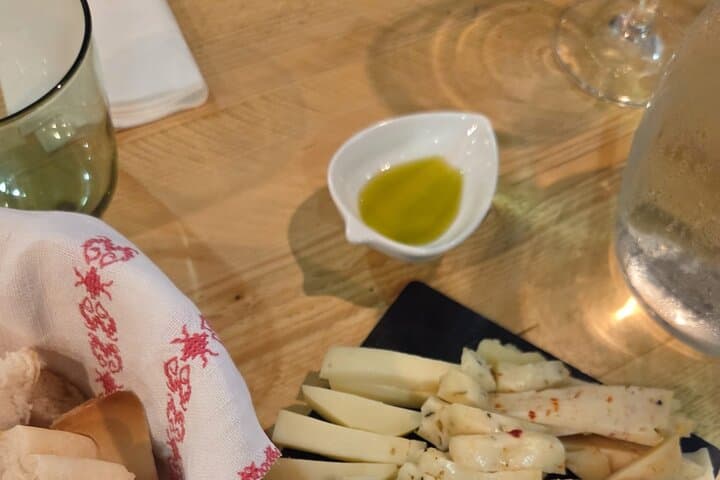
Vinho Verde traces to Roman-era viticulture but flourished under medieval monasteries; the region’s thin, granitic soils and high rainfall produce wines with a taut acidity and light effervescence. Geologically, the mix of schist and granite forces vines to work for water, concentrating flavors. Culturally, tastings pair local cheeses, cured meats, and corn-based breads—simple regional products that highlight the wine rather than overwhelm it.
Expect a hands-on primer on vinification from grape to glass: vineyard walks, explanations of pruning and soil, then guided tastings of white "green" wines and harmonized regional bites. The tour balances education and ease—small groups, private transport, and time to shop the cellar.
Practical guidance: book mornings or late afternoons to avoid the hottest midday, wear sturdy shoes for uneven farm paths, and bring a light jacket; Atlantic winds can shift quickly. Hydrate between tastings and plan transport if you intend to buy bottles—the tour includes return transport but check baggage space. For photography, early light on the terraces is best.
This three-hour excursion suits curious travelers who want context with their tasting—history, geology, and local flavor neatly poured into one approachable outing.
easy.
3 hours.
Suitable for most fitness levels; requires short walks on uneven ground
The experience lasts approximately three hours, combining vineyard time and guided tasting.
Yes — private transportation is included and typically handles pick-up and drop-off in the specified area.
Absolutely; the tour is designed for curious travelers of all experience levels with guided explanations from grape to glass.
Yes, most quintas offer bottles for sale and sometimes cellar-shop-only cuvées; check trunk space if you plan to buy multiple cases.
Vinho Verde has roots in Roman and monastic viticulture; the modern designation codified traditional small-plot farming and local grape varieties.
Many small producers use low-intervention farming and canopy management to reduce runoff; visitors are encouraged to follow paths and leave no trace to protect fragile terrace soils.
What A Trip! operates guided outdoor trips and adventures with an emphasis on safety, stewardship, and memorable experiences.


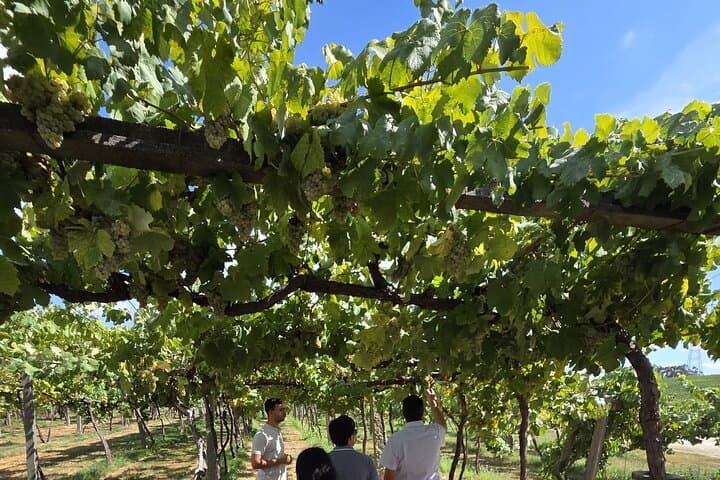
A low-slung road unwinds through patchwork vineyards as Atlantic breezes push across leaves, and the guide steers toward a family-run quinta where stone terraces hold rows of Arinto and Alvarinho. The first sip arrives under a wooden pergola, the wine crisp and bright, the conversation easy: this is northern Portugal’s Vinho Verde country at eye level.
A low-slung road unwinds through patchwork vineyards as Atlantic breezes push across leaves, and the guide steers toward a family-run quinta where stone terraces hold rows of Arinto and Alvarinho. The first sip arrives under a wooden pergola, the wine crisp and bright, the conversation easy: this is northern Portugal’s Vinho Verde country at eye level.
Vinho Verde traces to Roman-era viticulture but flourished under medieval monasteries; the region’s thin, granitic soils and high rainfall produce wines with a taut acidity and light effervescence. Geologically, the mix of schist and granite forces vines to work for water, concentrating flavors. Culturally, tastings pair local cheeses, cured meats, and corn-based breads—simple regional products that highlight the wine rather than overwhelm it.
Expect a hands-on primer on vinification from grape to glass: vineyard walks, explanations of pruning and soil, then guided tastings of white "green" wines and harmonized regional bites. The tour balances education and ease—small groups, private transport, and time to shop the cellar.
Practical guidance: book mornings or late afternoons to avoid the hottest midday, wear sturdy shoes for uneven farm paths, and bring a light jacket; Atlantic winds can shift quickly. Hydrate between tastings and plan transport if you intend to buy bottles—the tour includes return transport but check baggage space. For photography, early light on the terraces is best.
This three-hour excursion suits curious travelers who want context with their tasting—history, geology, and local flavor neatly poured into one approachable outing.