THE ADVENTURE COLLECTIVE® · Independent discovery and booking for outdoor travel

Spend a full day tracing Canada’s WWI role from Arras to Vimy Ridge and the Somme. This guided tour visits tunnels, preserved trenches, cemeteries and major memorials with private transport and lunch included.
Spend a full day tracing Canada’s WWI role from Arras to Vimy Ridge and the Somme. This guided tour visits tunnels, preserved trenches, cemeteries and major memorials with private transport and lunch included.
Wind slices across the chalk ridge as the tour pauses at the Vimy Memorial, the Douai plain spread out below like a map of strategic lines. Travelers step from an air-conditioned minibus onto cold stone and preserved turf, moving from sombre cemeteries to the low mouth of the Grange Tunnel where Canadian troops waited before the assault.
Verified experiences and guided adventures in the surrounding area.
Operated by Ploegsteert Sector Battlefield Experience · Vimy, Hauts-de-France
Wind slices across the chalk ridge as the tour pauses at the Vimy Memorial, the Douai plain spread out below like a map of strategic lines. Travelers step from an air-conditioned minibus onto cold stone and preserved turf, moving from sombre cemeteries to the low mouth of the Grange Tunnel where Canadian troops waited before the assault.
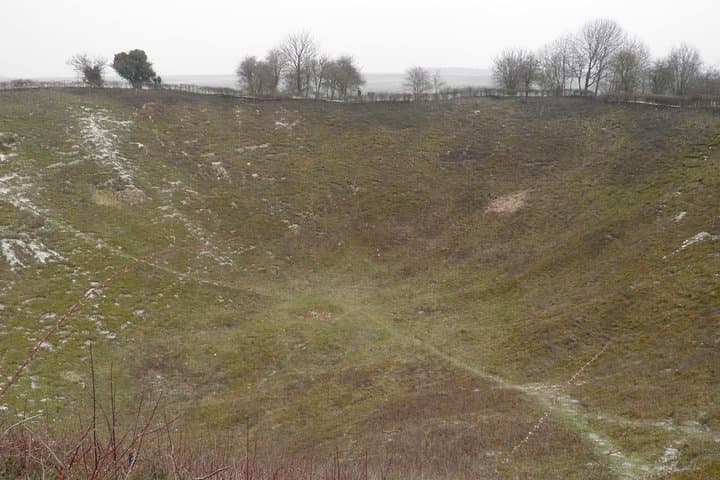
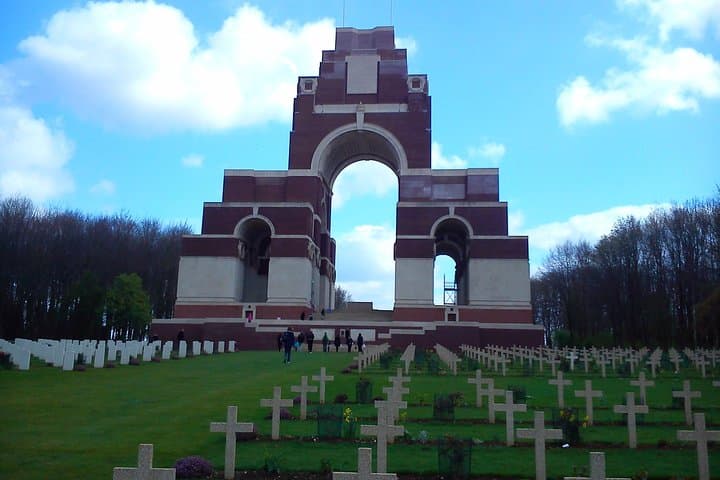
The day threads through hard history: Vimy Ridge (April 1917), where the Canadian Corps executed a coordinated assault; the Somme fields (July 1916), scarred by mining and artillery. Geologically the landscape is chalk and clay—ideal for deep tunnels and the explosive craters that still pock the ground. Cultural memory here is tangible: Commonwealth War Graves Commission headstones, names carved on the Thiepval Memorial, and visitor centres that interpret battalion-level tactics and civilian impact.
Local insight shapes the pacing — time at Beaumont-Hamel is often quiet and reflective; guides point out features like the Danger Tree and Y Ravine that explain how terrain dictated strategy. The itinerary includes private, round-trip transport from Arras, guided visits to cemeteries and preserved trenches, and a provided lunch; it’s a long day (about nine hours) with moderate walking and periods of standing.
Practical guidance: wear sturdy shoes for uneven ground, bring layered clothing and rain protection, carry water and sun protection, and plan for low cellphone reception in rural sectors. Respect memorial etiquette — no climbing on monuments — and allow time to absorb museum exhibits and interpretive panels. This tour is an accessible, historically rich way to experience key Canadian WWI sites in northern France.
easy.
9 hours.
Suitable for most fitness levels — expect several short walks, some stairs and standing during site visits
The tour runs about nine hours with round-trip pickup from hotels in Arras; exact pickup is confirmed at booking.
Visits to outdoor memorials and preserved trenches are included; some visitor centre admissions are typically part of the itinerary — confirm at time of booking.
The tour is described as suitable for all fitness levels, but some sites have uneven terrain and steps; contact the operator about specific accessibility needs.
Full refund is available if cancelled at least 24 hours before departure; check booking terms for details and minimum participant rules.
Vimy Ridge was captured by the Canadian Corps in April 1917 after meticulous preparation; the Somme battles of 1916 produced massive casualties and shaped modern remembrance culture.
Sites are managed by the Commonwealth War Graves Commission and local authorities; stick to marked paths, don't remove artifacts, and follow onsite guidance to protect fragile landscapes.
Ploegsteert Sector Battlefield Experience operates guided outdoor trips and adventures with an emphasis on safety, stewardship, and memorable experiences.
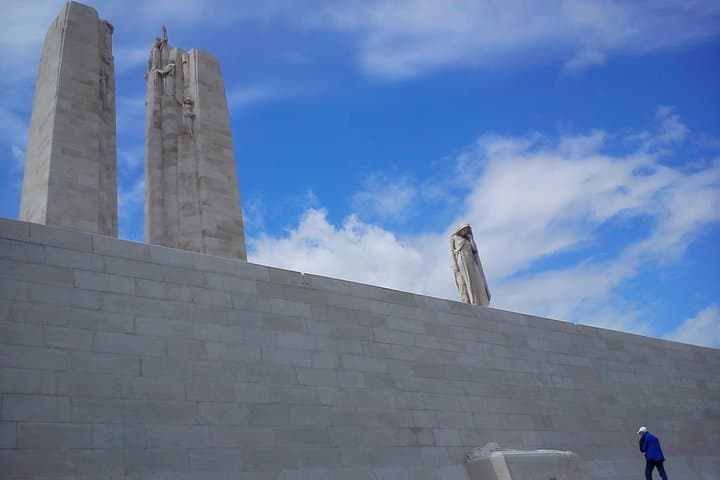
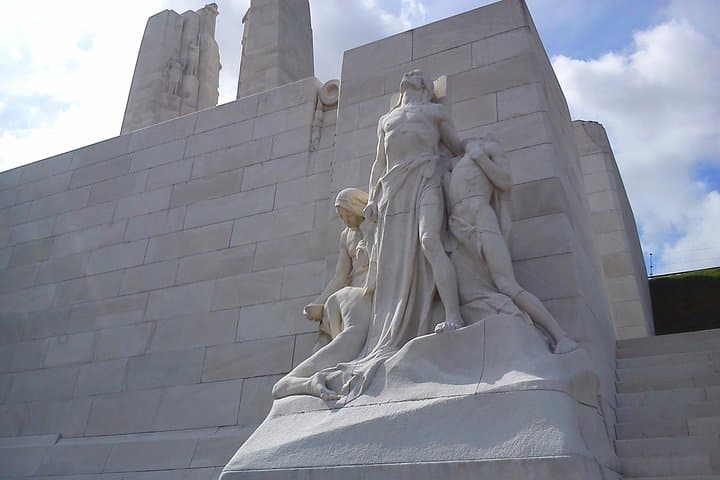
Wind slices across the chalk ridge as the tour pauses at the Vimy Memorial, the Douai plain spread out below like a map of strategic lines. Travelers step from an air-conditioned minibus onto cold stone and preserved turf, moving from sombre cemeteries to the low mouth of the Grange Tunnel where Canadian troops waited before the assault.
Wind slices across the chalk ridge as the tour pauses at the Vimy Memorial, the Douai plain spread out below like a map of strategic lines. Travelers step from an air-conditioned minibus onto cold stone and preserved turf, moving from sombre cemeteries to the low mouth of the Grange Tunnel where Canadian troops waited before the assault.
The day threads through hard history: Vimy Ridge (April 1917), where the Canadian Corps executed a coordinated assault; the Somme fields (July 1916), scarred by mining and artillery. Geologically the landscape is chalk and clay—ideal for deep tunnels and the explosive craters that still pock the ground. Cultural memory here is tangible: Commonwealth War Graves Commission headstones, names carved on the Thiepval Memorial, and visitor centres that interpret battalion-level tactics and civilian impact.
Local insight shapes the pacing — time at Beaumont-Hamel is often quiet and reflective; guides point out features like the Danger Tree and Y Ravine that explain how terrain dictated strategy. The itinerary includes private, round-trip transport from Arras, guided visits to cemeteries and preserved trenches, and a provided lunch; it’s a long day (about nine hours) with moderate walking and periods of standing.
Practical guidance: wear sturdy shoes for uneven ground, bring layered clothing and rain protection, carry water and sun protection, and plan for low cellphone reception in rural sectors. Respect memorial etiquette — no climbing on monuments — and allow time to absorb museum exhibits and interpretive panels. This tour is an accessible, historically rich way to experience key Canadian WWI sites in northern France.