THE ADVENTURE COLLECTIVE® · Independent discovery and booking for outdoor travel

Wade the Vilnelė through Vilnius’s heart and emerge in Užupis: a three-hour river hike that threads under six bridges, passes playful public art, and finishes in Bernardine Gardens. Practical gear, local stories, and a steady guide make this urban water-walk both safe and surprising.
Wade the Vilnelė through Vilnius’s heart and emerge in Užupis: a three-hour river hike that threads under six bridges, passes playful public art, and finishes in Bernardine Gardens. Practical gear, local stories, and a steady guide make this urban water-walk both safe and surprising.
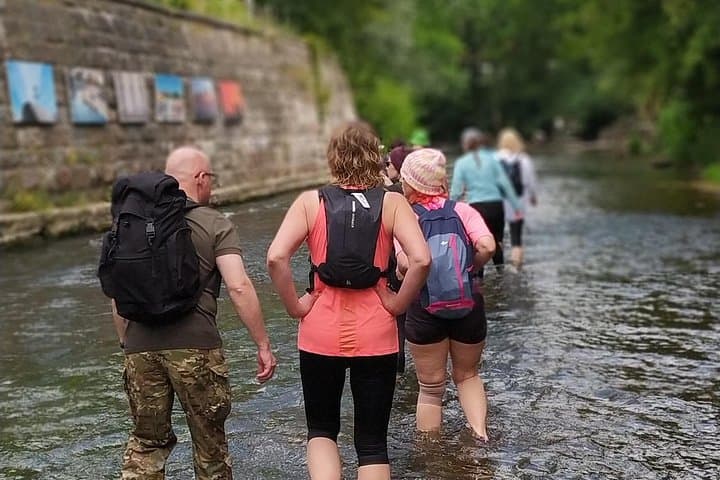
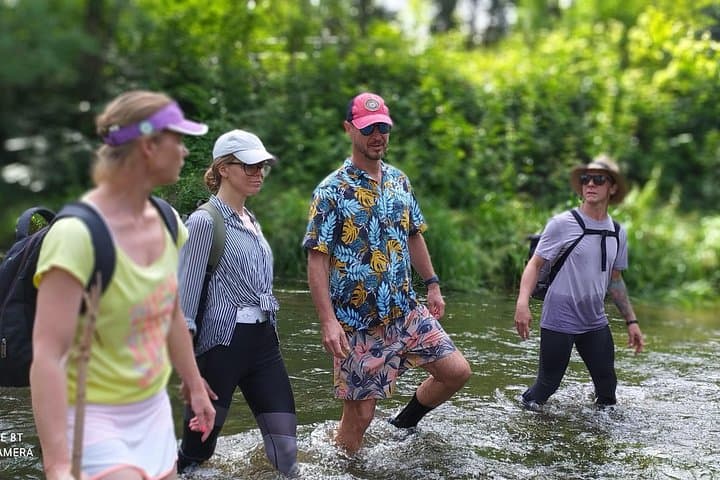
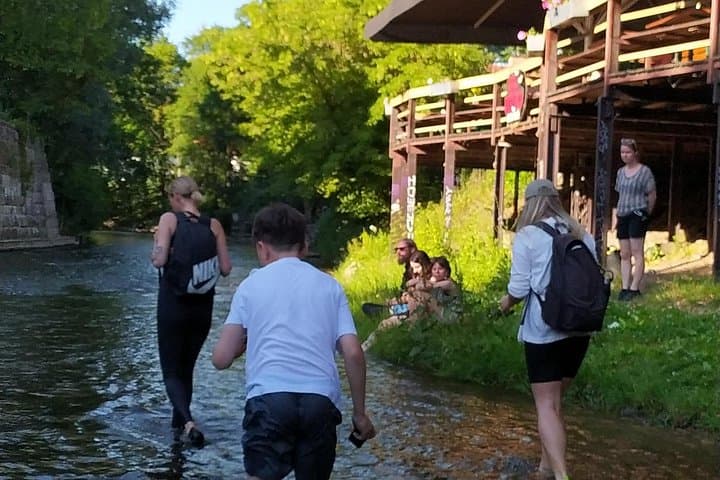
The water pulls at your calves like a city dare—cool, clear, moving you forward beneath a succession of old stone and metal bridges. On this three-hour Vilnelė river walk you alternate between shallow wading and firm riverbank paths as the capital slips into view: the bohemian façades of Užupis on one side, Gediminas Hill and Bernardine Gardens on the other.
Verified experiences and guided adventures in the surrounding area.
Operated by River Hiking LT · Vilnius, Vilnius County
The water pulls at your calves like a city dare—cool, clear, moving you forward beneath a succession of old stone and metal bridges. On this three-hour Vilnelė river walk you alternate between shallow wading and firm riverbank paths as the capital slips into view: the bohemian façades of Užupis on one side, Gediminas Hill and Bernardine Gardens on the other.
Vilnelė gave Vilnius its name and has shaped the city’s habit of meeting water and stone. Geologically the river runs a short urban valley with a rocky, uneven bed—small rapids and cobbles are common, but total elevation change is negligible. Culturally, the walk ends in Užupis, a former industrial quarter turned artists’ republic (self-declared in 1997) where public art and playful civic rituals are standard. Along the route guides point out six bridges, the Swing of Destiny, the Mermaid of Užupis, and an oak in Bernardine Gardens said to be over a century old with a 1.5 m trunk diameter.
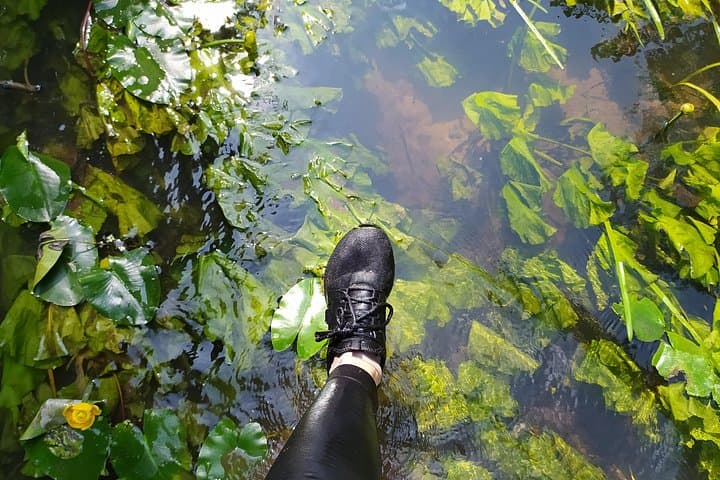
Expect roughly 3–4 km covered in slow, stop-and-look pacing, minimal climbing, and many photo-ready viewpoints. The river can push at your balance and the bottom is often rocky—waders are provided when water is cold. Bring closed-toe water shoes, a drybag for electronics, and layered clothing; pacing is relaxed but requires moderate fitness. Tours run rain or shine but cancel in hazardous weather. Listen to your guide, respect local art spaces, and leave the riverbed as you found it—its character is fragile and central to this very urban, very alive experience.
moderate.
3 hours.
Good for travelers with moderate fitness; involves wading, balance on uneven surfaces, and frequent stops for explanation and photos.
Yes—wading remains in shallow sections under guide supervision; non-swimmers should still feel comfortable in ankle-to-knee deep water and inform the guide of any concerns.
Waders are supplied when water temperatures are below about 18°C; you can also wear your own water-friendly clothing.
Tours meet in central Vilnius near the Vilnelė riverbank; public transport and short walks from Old Town hotels are common—confirm exact meeting location on your booking voucher.
Children under 10 are not recommended; minors over 10 may join if they have good swimming confidence and can manage uneven, wet terrain.
The Vilnelė river has defined settlement patterns in Vilnius for centuries; Užupis declared itself an independent republic in 1997, embracing art and playful civic rituals.
Avoid disturbing the riverbed, pack out all waste, and follow guide instructions to minimize erosion and protect aquatic life in this urban waterway.
River Hiking LT operates guided outdoor trips and adventures with an emphasis on safety, stewardship, and memorable experiences.
The water pulls at your calves like a city dare—cool, clear, moving you forward beneath a succession of old stone and metal bridges. On this three-hour Vilnelė river walk you alternate between shallow wading and firm riverbank paths as the capital slips into view: the bohemian façades of Užupis on one side, Gediminas Hill and Bernardine Gardens on the other.
The water pulls at your calves like a city dare—cool, clear, moving you forward beneath a succession of old stone and metal bridges. On this three-hour Vilnelė river walk you alternate between shallow wading and firm riverbank paths as the capital slips into view: the bohemian façades of Užupis on one side, Gediminas Hill and Bernardine Gardens on the other.
Vilnelė gave Vilnius its name and has shaped the city’s habit of meeting water and stone. Geologically the river runs a short urban valley with a rocky, uneven bed—small rapids and cobbles are common, but total elevation change is negligible. Culturally, the walk ends in Užupis, a former industrial quarter turned artists’ republic (self-declared in 1997) where public art and playful civic rituals are standard. Along the route guides point out six bridges, the Swing of Destiny, the Mermaid of Užupis, and an oak in Bernardine Gardens said to be over a century old with a 1.5 m trunk diameter.
Expect roughly 3–4 km covered in slow, stop-and-look pacing, minimal climbing, and many photo-ready viewpoints. The river can push at your balance and the bottom is often rocky—waders are provided when water is cold. Bring closed-toe water shoes, a drybag for electronics, and layered clothing; pacing is relaxed but requires moderate fitness. Tours run rain or shine but cancel in hazardous weather. Listen to your guide, respect local art spaces, and leave the riverbed as you found it—its character is fragile and central to this very urban, very alive experience.