THE ADVENTURE COLLECTIVE® · Independent discovery and booking for outdoor travel

Spend a morning touring villages and plantations outside Antigua Guatemala—taste cacao beverages, follow coffee from cherry to cup, and visit macadamia and textile cooperatives. This five-hour, small-group tour blends hands-on demos with cultural context.
Spend a morning touring villages and plantations outside Antigua Guatemala—taste cacao beverages, follow coffee from cherry to cup, and visit macadamia and textile cooperatives. This five-hour, small-group tour blends hands-on demos with cultural context.
The van eases out of Antigua's cobblestone grid and the city’s volcanic skyline folds into green slopes. Within minutes the air smells like wet earth and roasting beans — a rural edge to the colonial city that frames this five-hour loop of plantations and village workshops.
Verified experiences and guided adventures in the surrounding area.
Operated by GT Negocios y Viajes · Antigua Guatemala, Sacatepéquez
The van eases out of Antigua's cobblestone grid and the city’s volcanic skyline folds into green slopes. Within minutes the air smells like wet earth and roasting beans — a rural edge to the colonial city that frames this five-hour loop of plantations and village workshops.
This route threads San Juan del Obispo, small macadamia farms, textile cooperatives in San Antonio Aguas Calientes and La Azotea Coffee Farm. Antigua itself was the Spanish colonial capital until repeated earthquakes in the 18th century shifted power to Guatemala City; those seismic events shaped terraces, irrigation lines and the volcanic soils that make this valley ideal for coffee and cacao cultivation. The geology is volcanic ash and rich loam; culturally, the region is defined by indigenous-weaver cooperatives and multi-generational farm families who still process beans and nuts by hand.
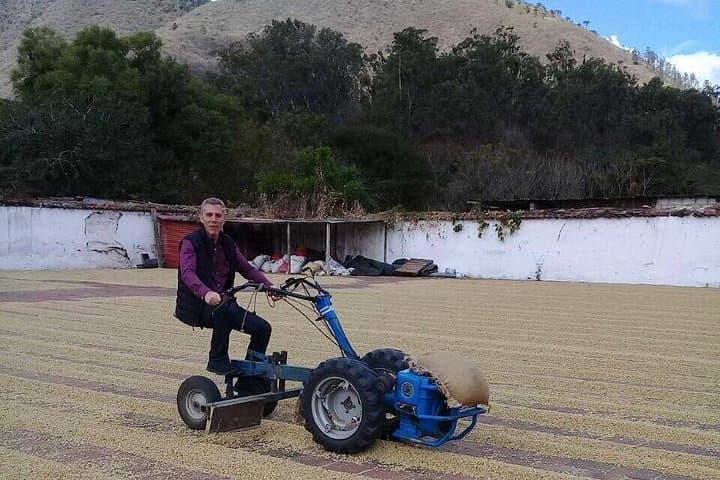
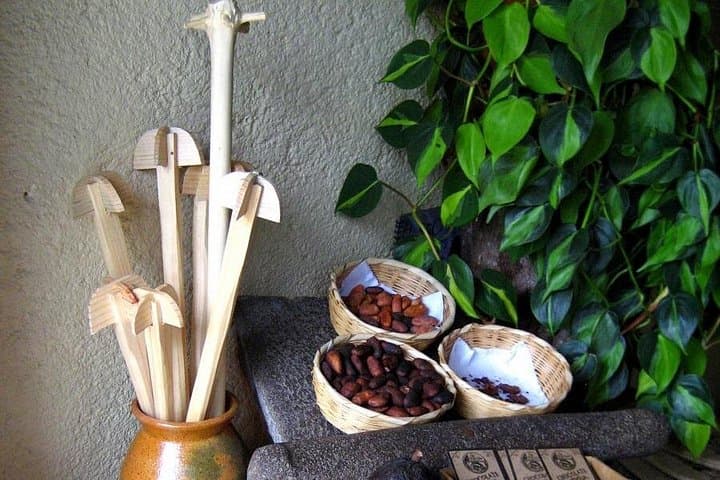
Expect hands-on demonstrations: tasting of traditional chocolate beverages, a coffee-processing walkthrough from cherry to roast, and a macadamia-farm tour with product sampling. Guided stops include a textile museum and a visit to La Azotea where a cultural center explains sustainable coffee practices.
Practical side: the tour runs mornings, operates in all weather, and includes hotel pickup in an air-conditioned van. Dress in layers and comfortable walking shoes for uneven farm paths and market stalls. Bring local currency for artisan stalls and a refillable water bottle — bottled water is provided, but having your own reduces plastic. The pace is gentle but active: plan for five hours with multiple short, interpretive stops.
easy.
5 hours.
Suitable for most fitness levels; involves short walks over uneven ground and standing during demonstrations
Yes—pickup and drop-off at Antigua hotels is included; confirm your pickup point when booking.
Yes—activity is family-friendly; child pricing applies only when sharing with two paying adults.
Most local guides speak Spanish and English; confirm language needs when booking.
A minimum of two people per booking is required; the tour operates year-round regardless of weather.
Antigua was the colonial capital of Central America until major 18th-century earthquakes; remaining ruins and churches shaped local settlement patterns and agricultural terraces.
The area emphasizes sustainable coffee and cooperative artisan practices; support local businesses and minimize single-use plastics to reduce impact.
GT Negocios y Viajes operates guided outdoor trips and adventures with an emphasis on safety, stewardship, and memorable experiences.
The van eases out of Antigua's cobblestone grid and the city’s volcanic skyline folds into green slopes. Within minutes the air smells like wet earth and roasting beans — a rural edge to the colonial city that frames this five-hour loop of plantations and village workshops.
The van eases out of Antigua's cobblestone grid and the city’s volcanic skyline folds into green slopes. Within minutes the air smells like wet earth and roasting beans — a rural edge to the colonial city that frames this five-hour loop of plantations and village workshops.
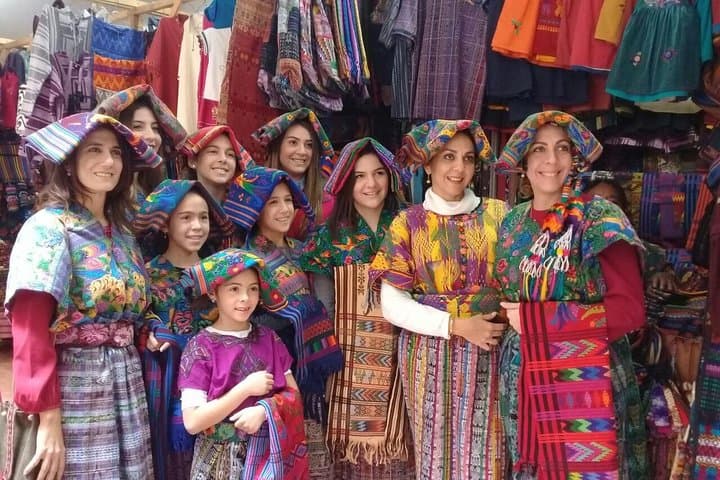
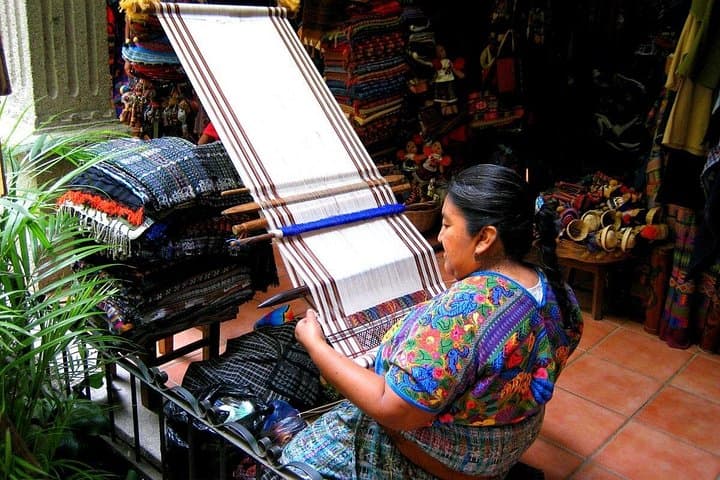
This route threads San Juan del Obispo, small macadamia farms, textile cooperatives in San Antonio Aguas Calientes and La Azotea Coffee Farm. Antigua itself was the Spanish colonial capital until repeated earthquakes in the 18th century shifted power to Guatemala City; those seismic events shaped terraces, irrigation lines and the volcanic soils that make this valley ideal for coffee and cacao cultivation. The geology is volcanic ash and rich loam; culturally, the region is defined by indigenous-weaver cooperatives and multi-generational farm families who still process beans and nuts by hand.
Expect hands-on demonstrations: tasting of traditional chocolate beverages, a coffee-processing walkthrough from cherry to roast, and a macadamia-farm tour with product sampling. Guided stops include a textile museum and a visit to La Azotea where a cultural center explains sustainable coffee practices.
Practical side: the tour runs mornings, operates in all weather, and includes hotel pickup in an air-conditioned van. Dress in layers and comfortable walking shoes for uneven farm paths and market stalls. Bring local currency for artisan stalls and a refillable water bottle — bottled water is provided, but having your own reduces plastic. The pace is gentle but active: plan for five hours with multiple short, interpretive stops.