THE ADVENTURE COLLECTIVE® · Independent discovery and booking for outdoor travel

Follow a village family through foraging grounds, clay-hearth kitchens and freshwater streams on a private day-long food trail in Ingiriya. Taste turmeric tea, rare Hal preparations, and learn age-old cooking techniques preserved by local hosts.
Follow a village family through foraging grounds, clay-hearth kitchens and freshwater streams on a private day-long food trail in Ingiriya. Taste turmeric tea, rare Hal preparations, and learn age-old cooking techniques preserved by local hosts.
A narrow dirt lane opens to a sun-dappled village; coconut palms lean over paddy margins and a clear stream dares you to cool your feet. On the Private Traditional Sri Lankan Village Food Trail you move at a local pace—tea-plucking by hand, stooping to gather wild greens, and standing shoulder-to-shoulder with a village family as they grind spices and cook on clay hearths.
Verified experiences and guided adventures in the surrounding area.
Operated by Ceylon Food Trails · Ingiriya, Western Province
A narrow dirt lane opens to a sun-dappled village; coconut palms lean over paddy margins and a clear stream dares you to cool your feet. On the Private Traditional Sri Lankan Village Food Trail you move at a local pace—tea-plucking by hand, stooping to gather wild greens, and standing shoulder-to-shoulder with a village family as they grind spices and cook on clay hearths.
This part of western Sri Lanka preserves centuries-old foodways: heirloom rice strains, indigenous vegetables, and a nearly extinct fruit known locally as “Hal,” preserved by community cooks. Geology here is lowland schist and alluvial soil, feeding lush riparian strips where freshwater springs bubble out of the hills. The ritual of food ties to local Buddhism and small-scale wet-rice agriculture; meals are as much social practice as sustenance.
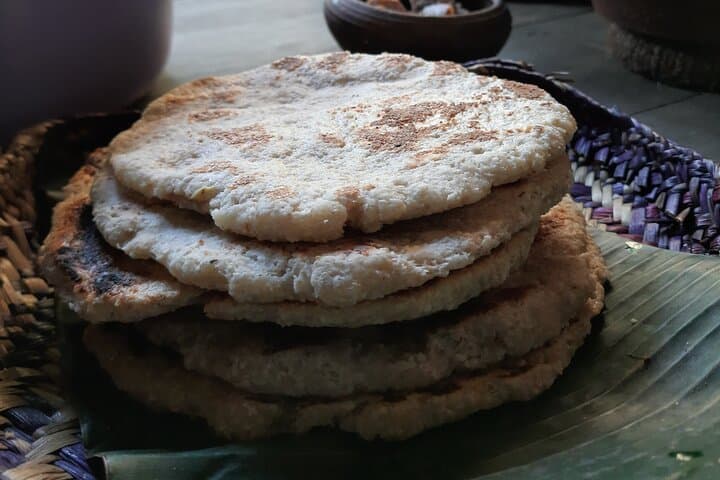
Expect gentle walking—roughly 6–8 km over largely flat village paths with occasional muddy sections and short stream crossings. The day runs about 8 hours with multiple food stops: turmeric tea, Hal rotti, village fowl and seasonal greens. Bring a daypack, water, sun protection and be ready to taste things you’ve likely never heard of.
Practical tip: the trail is private and guided, so dietary needs can usually be accommodated with advance notice. Wear sturdy shoes that can get wet, plan for late-morning starts to avoid mid-afternoon showers during the monsoon, and keep small bills for village purchases. The experience is equal parts cookery class, nature walk and cultural exchange—a slow, tactile way to learn how place and food shape each other.
moderate.
8 hours.
Light to moderate fitness—able to walk 6–8 km on uneven terrain and handle short stream crossings.
Yes—hosts are used to dietary requests and can prepare vegetarian versions of most dishes if informed at booking.
The route is gentle but involves up to 6–8 km of walking on uneven and sometimes muddy paths with a few shallow stream crossings; basic mobility is required.
Opportunities for short, informal swims or wading exist; water quality is generally good but avoid drinking without purification and check with your guide before entering remote pools.
Most travelers stay in Colombo or nearby towns and reach Ingiriya by car or public bus; the tour operator provides meeting details after booking and can advise on transfers.
Village foodways in this region reflect centuries of smallholder wet-rice farming and household-level preservation practices, with many recipes passed matrilineally.
Hosts emphasize using locally foraged, sustainable ingredients and many families maintain home gardens that protect heirloom varieties; visitors should avoid collecting plants themselves and follow guidance to minimize impact.
Ceylon Food Trails operates guided outdoor trips and adventures with an emphasis on safety, stewardship, and memorable experiences.
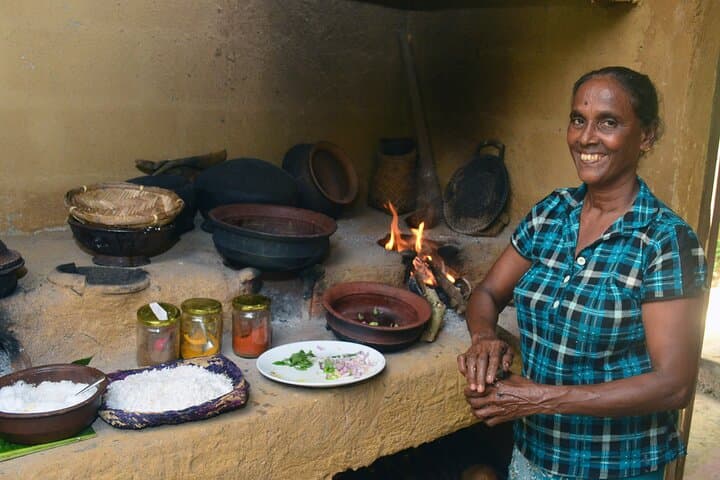
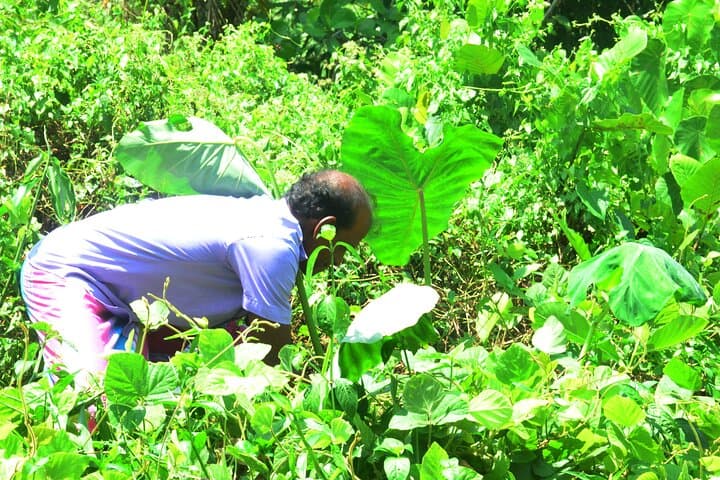
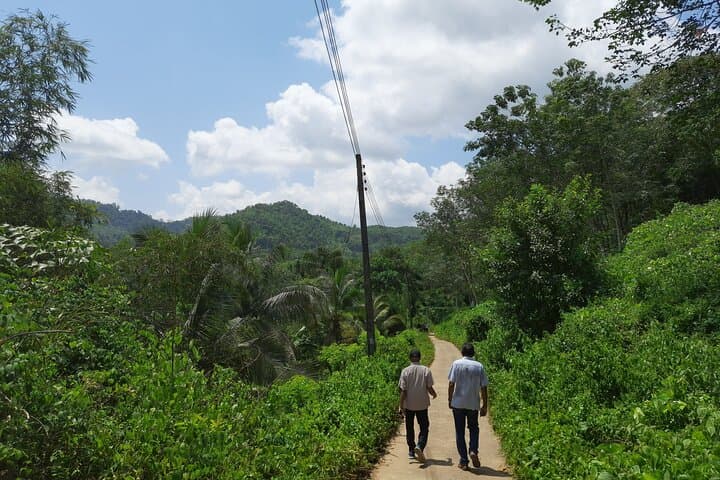
A narrow dirt lane opens to a sun-dappled village; coconut palms lean over paddy margins and a clear stream dares you to cool your feet. On the Private Traditional Sri Lankan Village Food Trail you move at a local pace—tea-plucking by hand, stooping to gather wild greens, and standing shoulder-to-shoulder with a village family as they grind spices and cook on clay hearths.
A narrow dirt lane opens to a sun-dappled village; coconut palms lean over paddy margins and a clear stream dares you to cool your feet. On the Private Traditional Sri Lankan Village Food Trail you move at a local pace—tea-plucking by hand, stooping to gather wild greens, and standing shoulder-to-shoulder with a village family as they grind spices and cook on clay hearths.
This part of western Sri Lanka preserves centuries-old foodways: heirloom rice strains, indigenous vegetables, and a nearly extinct fruit known locally as “Hal,” preserved by community cooks. Geology here is lowland schist and alluvial soil, feeding lush riparian strips where freshwater springs bubble out of the hills. The ritual of food ties to local Buddhism and small-scale wet-rice agriculture; meals are as much social practice as sustenance.
Expect gentle walking—roughly 6–8 km over largely flat village paths with occasional muddy sections and short stream crossings. The day runs about 8 hours with multiple food stops: turmeric tea, Hal rotti, village fowl and seasonal greens. Bring a daypack, water, sun protection and be ready to taste things you’ve likely never heard of.
Practical tip: the trail is private and guided, so dietary needs can usually be accommodated with advance notice. Wear sturdy shoes that can get wet, plan for late-morning starts to avoid mid-afternoon showers during the monsoon, and keep small bills for village purchases. The experience is equal parts cookery class, nature walk and cultural exchange—a slow, tactile way to learn how place and food shape each other.