THE ADVENTURE COLLECTIVE® · Independent discovery and booking for outdoor travel

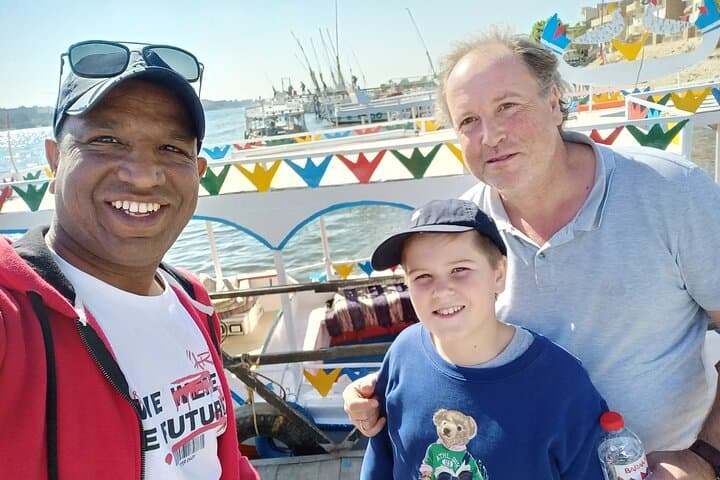
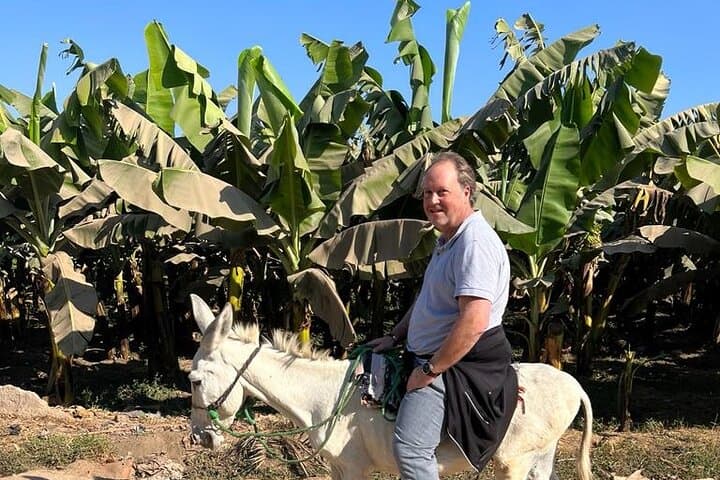
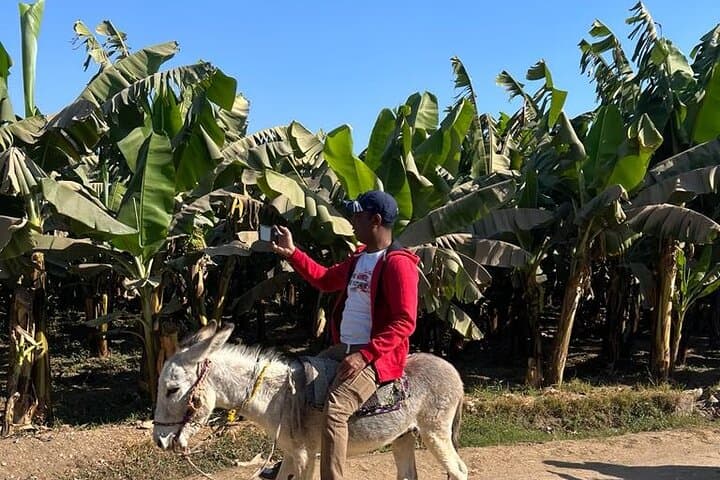
Cross the Nile by local ferry and follow a donkey between working fields and village tea stops on Luxor’s West Bank. This private 2–4 hour outing pairs gentle outdoor movement with vivid cultural encounters.
Cross the Nile by local ferry and follow a donkey between working fields and village tea stops on Luxor’s West Bank. This private 2–4 hour outing pairs gentle outdoor movement with vivid cultural encounters.
A narrow ferry cuts the Nile at dawn and the river seems to dare you to slow down; across its flash of silver, fields fan out between mud-brick houses and a single line of donkeys picks a path among sugarcane.
Verified experiences and guided adventures in the surrounding area.
Operated by Pharaoh's Adventures · Luxor, Luxor Governorate
A narrow ferry cuts the Nile at dawn and the river seems to dare you to slow down; across its flash of silver, fields fan out between mud-brick houses and a single line of donkeys picks a path among sugarcane.
This half-day private tour takes you from Luxor’s bustle to the west bank’s quieter rhythm: a short ferry crossing, a walk through small farms, and a guided donkey ride past planted fields and family courtyards. The landscape here is the living edge of Egypt’s long relationship with the Nile—fertile alluvial terraces shaped by annual floods that supported pharaonic civilisations and still support traditional agriculture.
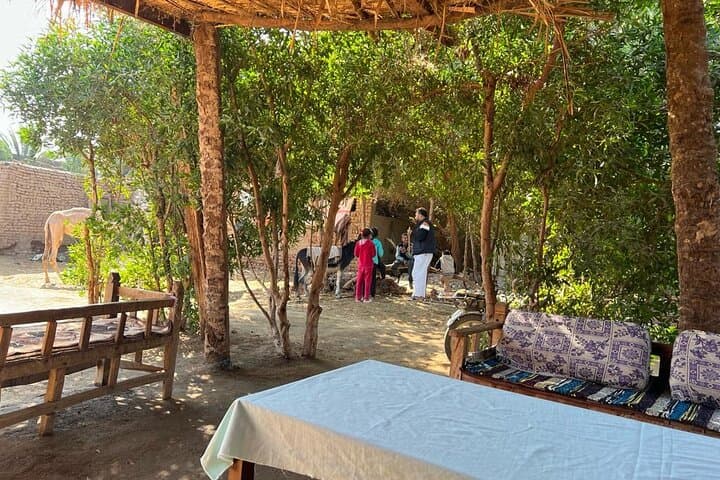
Culturally, the ride is low-key but revealing: stops for tea in a village home, conversations about irrigation and harvest, and a chance to watch locals move goats and carts. Geology is simple—river-deposited silts and shallow soils framed by distant desert—but the human imprint is dense and continuous.
Practical notes: the pace is easy but uneven; expect dirt tracks, short steeper farm paths and the sway of a donkey saddle. Bring sun protection, closed-toe shoes and enough water for a warm morning or late afternoon outing. Pick-up is typically from central Luxor hotels; the total excursion runs about 2–4 hours.
This isn’t a rugged trek or a museum tour—it's a sensory, small-group window into contemporary rural life on the Nile. Respect local customs, check animal-welfare standards with your operator, and let the ferry crossing mark the clear shift from city to country.
easy.
2–4 hours.
Suitable for most fitness levels—able to walk short stretches and mount a donkey unaided.
The outing lasts approximately 2 to 4 hours depending on hotel pickup location and how long you linger at village stops.
Yes—children can usually ride with an adult or small guide, but confirm age limits with the operator and ensure proper saddling and supervision.
Most bookings include hotel pickup and drop-off in central Luxor; confirm your pickup point when you book.
Basic toilet facilities are available in village stops or back at the ferry landing; tea and light refreshments are commonly offered during a home visit.
The west bank of Luxor is an agricultural zone fed by Nile silt and irrigation canals; its villages have practiced small-scale farming since ancient times alongside the funerary monuments across the river.
Minimise plastic, stay on tracks to avoid trampling crops, and choose operators who limit working hours for animals and reinvest bookings in local communities.
Pharaoh's Adventures operates guided outdoor trips and adventures with an emphasis on safety, stewardship, and memorable experiences.
A narrow ferry cuts the Nile at dawn and the river seems to dare you to slow down; across its flash of silver, fields fan out between mud-brick houses and a single line of donkeys picks a path among sugarcane.
A narrow ferry cuts the Nile at dawn and the river seems to dare you to slow down; across its flash of silver, fields fan out between mud-brick houses and a single line of donkeys picks a path among sugarcane.
This half-day private tour takes you from Luxor’s bustle to the west bank’s quieter rhythm: a short ferry crossing, a walk through small farms, and a guided donkey ride past planted fields and family courtyards. The landscape here is the living edge of Egypt’s long relationship with the Nile—fertile alluvial terraces shaped by annual floods that supported pharaonic civilisations and still support traditional agriculture.
Culturally, the ride is low-key but revealing: stops for tea in a village home, conversations about irrigation and harvest, and a chance to watch locals move goats and carts. Geology is simple—river-deposited silts and shallow soils framed by distant desert—but the human imprint is dense and continuous.
Practical notes: the pace is easy but uneven; expect dirt tracks, short steeper farm paths and the sway of a donkey saddle. Bring sun protection, closed-toe shoes and enough water for a warm morning or late afternoon outing. Pick-up is typically from central Luxor hotels; the total excursion runs about 2–4 hours.
This isn’t a rugged trek or a museum tour—it's a sensory, small-group window into contemporary rural life on the Nile. Respect local customs, check animal-welfare standards with your operator, and let the ferry crossing mark the clear shift from city to country.