THE ADVENTURE COLLECTIVE® · Independent discovery and booking for outdoor travel

Spend a day exploring Tivoli’s two UNESCO sites: the musical fountains and terraces of Villa d'Este and the expansive ruins of Hadrian’s Villa. This guided tour from Rome packs history, architecture and engineered waterworks into a five‑hour cultural escape.
Spend a day exploring Tivoli’s two UNESCO sites: the musical fountains and terraces of Villa d'Este and the expansive ruins of Hadrian’s Villa. This guided tour from Rome packs history, architecture and engineered waterworks into a five‑hour cultural escape.
You arrive in Tivoli with the city’s water already speaking to you: fountains sigh, cascades chatter, and terraces seem to lean forward to be seen. The road from Rome drops into a green bowl; Villa d'Este’s fountains announce themselves before the villa appears, water daring you to follow its courses through stone and moss.
Verified experiences and guided adventures in the surrounding area.
Operated by Rome Tour · Tivoli, Lazio
You arrive in Tivoli with the city’s water already speaking to you: fountains sigh, cascades chatter, and terraces seem to lean forward to be seen. The road from Rome drops into a green bowl; Villa d'Este’s fountains announce themselves before the villa appears, water daring you to follow its courses through stone and moss.
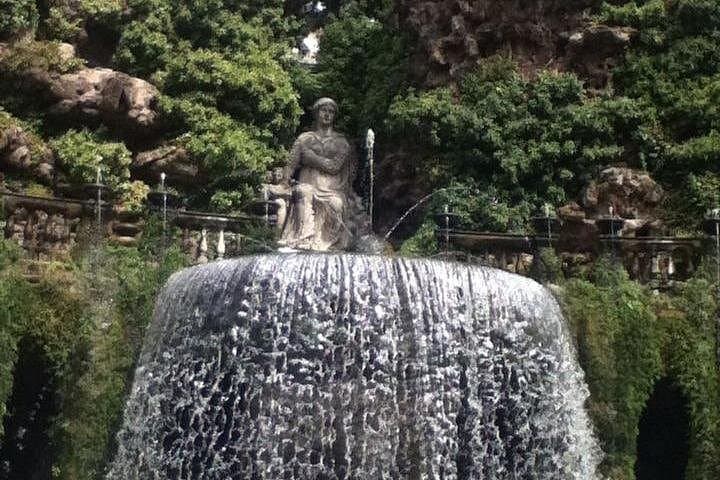
Tivoli’s story is layered. Villa Adriana (Hadrian’s Villa) was a 2nd‑century imperial escape, an ambitious collage of palaces, baths, and a circular Maritime Theater inspired by the Mediterranean world. Villa d'Este, reworked under Cardinal Ippolito II d'Este in the 16th century, translates power into design — terraces, hydraulic ingenuity and the Fountain of the Organ that literally makes music with moving water. The Aniene River carved the valley; local travertine and tufa gave builders the stone that ages into the pale, warm facades you see today.
On the ground the tour is tactile: cobbled lanes, frescoed interiors, and long axial views that frame the Roman countryside. Expect a pace that balances history with light walking — 5 hours of guided movement between sites, photo stops and lingering by waterworks.
Practical guidance: wear grippy shoes for marble steps and terraces, carry a refillable water bottle, and bring a light layer for shady ravines. Mornings are best for softer light and thinner crowds; allow extra time for staircases and uneven surfaces. Entrance fees and guided commentary are included, and pickup is provided — a compact way to trade Rome’s bustle for Tivoli’s gardens and imperial ruins in a single, manageable day.
easy.
5 hours.
Light — suitable for travelers who can walk 2–4 miles at a relaxed pace and handle stairs.
The tour lasts about 5 hours and includes guided visits to Villa d'Este and Villa Adriana, entrance tickets, round-trip pickup from the meeting point, and transportation in an air-conditioned vehicle.
The tour notes stroller accessibility in some areas, but expect stairs and uneven ground at archaeological sites; small children may need to be carried on certain stair sections.
The standard itinerary includes time in Tivoli’s center where you can purchase food; meals are not included in the tour price unless specified by the operator.
Photography is generally allowed in outdoor gardens and archaeological areas; some interior rooms may restrict flash or tripods — follow site rules and signage.
Tivoli grew as a retreat for Roman elites; Hadrian transformed the town into a miniature empire with copies of Mediterranean monuments, while Villa d'Este reimagined Renaissance power through hydraulic engineering and garden design.
Both UNESCO sites manage visitor flow and restoration programs to protect fragile frescoes, waterworks and archaeological fabric; practice leave-no-trace and respect ropes and signage to help preservation.
Rome Tour operates guided outdoor trips and adventures with an emphasis on safety, stewardship, and memorable experiences.
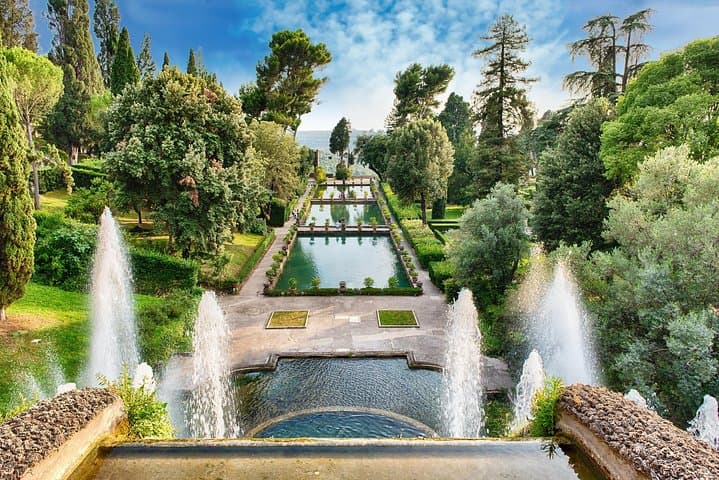
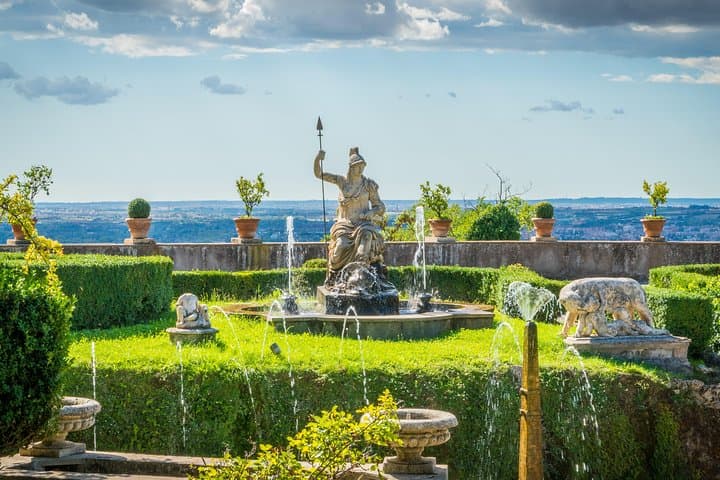
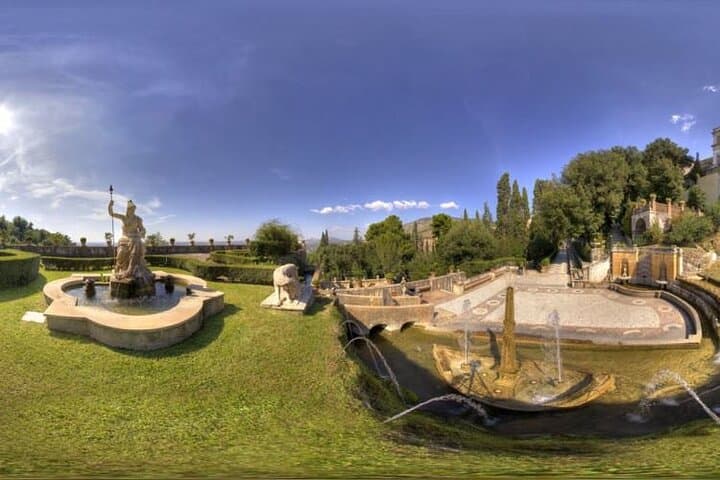
You arrive in Tivoli with the city’s water already speaking to you: fountains sigh, cascades chatter, and terraces seem to lean forward to be seen. The road from Rome drops into a green bowl; Villa d'Este’s fountains announce themselves before the villa appears, water daring you to follow its courses through stone and moss.
You arrive in Tivoli with the city’s water already speaking to you: fountains sigh, cascades chatter, and terraces seem to lean forward to be seen. The road from Rome drops into a green bowl; Villa d'Este’s fountains announce themselves before the villa appears, water daring you to follow its courses through stone and moss.
Tivoli’s story is layered. Villa Adriana (Hadrian’s Villa) was a 2nd‑century imperial escape, an ambitious collage of palaces, baths, and a circular Maritime Theater inspired by the Mediterranean world. Villa d'Este, reworked under Cardinal Ippolito II d'Este in the 16th century, translates power into design — terraces, hydraulic ingenuity and the Fountain of the Organ that literally makes music with moving water. The Aniene River carved the valley; local travertine and tufa gave builders the stone that ages into the pale, warm facades you see today.
On the ground the tour is tactile: cobbled lanes, frescoed interiors, and long axial views that frame the Roman countryside. Expect a pace that balances history with light walking — 5 hours of guided movement between sites, photo stops and lingering by waterworks.
Practical guidance: wear grippy shoes for marble steps and terraces, carry a refillable water bottle, and bring a light layer for shady ravines. Mornings are best for softer light and thinner crowds; allow extra time for staircases and uneven surfaces. Entrance fees and guided commentary are included, and pickup is provided — a compact way to trade Rome’s bustle for Tivoli’s gardens and imperial ruins in a single, manageable day.