THE ADVENTURE COLLECTIVE® · Independent discovery and booking for outdoor travel

Spend a half day on Villa de Leyva’s Chocolate Route: a hands-on bean-to-bar workshop at the Chocolate Museum, guided tastings (think chocolate with cheese and beer), and time to explore artisanal boutiques. Perfect for curious food travelers and travelers seeking a compact cultural experience.
Spend a half day on Villa de Leyva’s Chocolate Route: a hands-on bean-to-bar workshop at the Chocolate Museum, guided tastings (think chocolate with cheese and beer), and time to explore artisanal boutiques. Perfect for curious food travelers and travelers seeking a compact cultural experience.
You step off the cobbled Plaza Mayor into air that smells faintly of roasted cacao and wood smoke—Villa de Leyva’s flat stone square giving way to narrow colonial alleys where chocolate cafés line the route.
Verified experiences and guided adventures in the surrounding area.
Operated by No Hay Vida Mejor · Villa de Leyva, Boyacá
You step off the cobbled Plaza Mayor into air that smells faintly of roasted cacao and wood smoke—Villa de Leyva’s flat stone square giving way to narrow colonial alleys where chocolate cafés line the route.
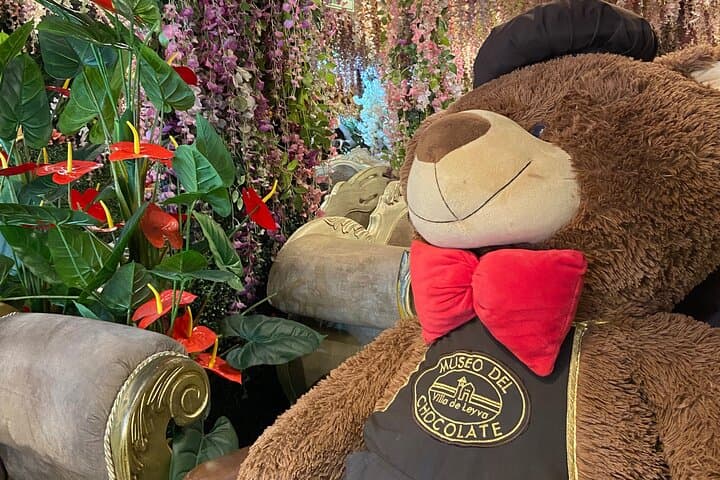
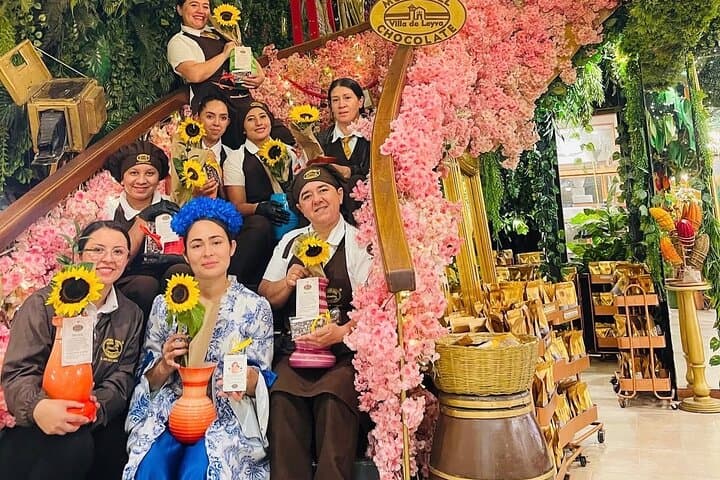
The Chocolate Museum anchors the experience: a compact, tactile place that frames cocoa’s pre-Columbian origins, colonial trade shifts, and contemporary artisanal revival. Geologically, the town sits on a high plateau of the Eastern Andes (about 2,100–2,200 m elevation), where cool, dry air preserves flavors and creates the slow, steady climate ideal for sipping hot chocolate.
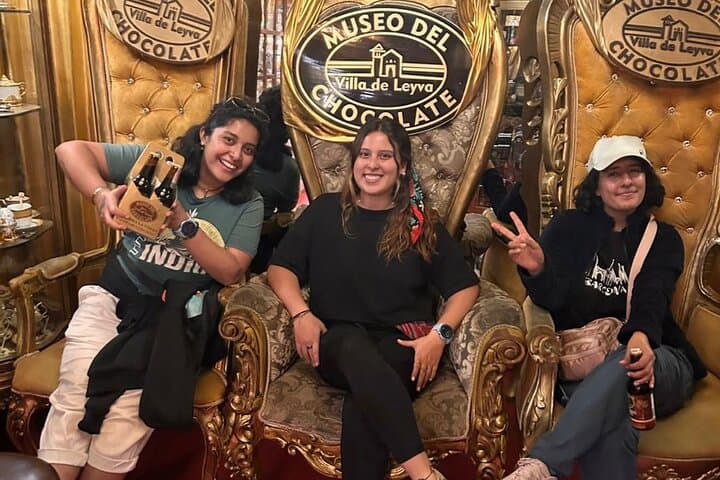
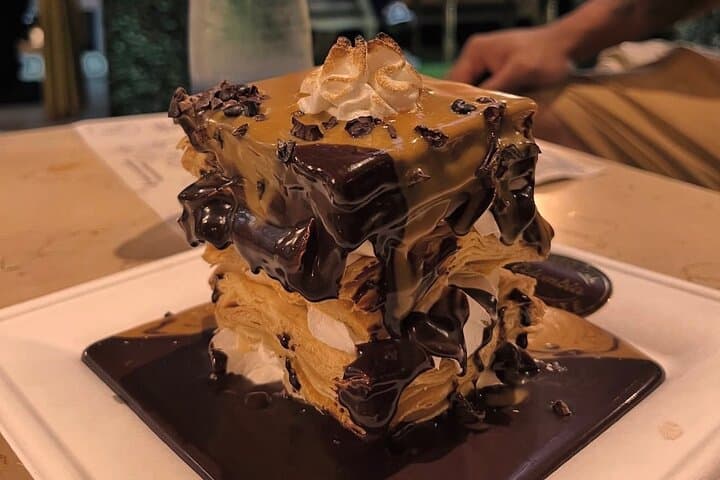
Culturally, Boyacá keeps food close to identity: local recipes—like chocolate with cheese—trace Indigenous and Spanish culinary crossovers. The Chocotour workshop walks you through bean-to-bar basics, hands-on tempering, and guided tastings that pair unexpected flavors such as beer or cheese with single-origin chocolate.
Expect a 2–3 hour workshop within a half-day experience: guided demonstration, mold-and-personalize segment, then free time to explore the museum café and boutique for artisanal bars. Practical notes: book ahead for limited class sizes, arrive 10–15 minutes early, and mention allergies when reserving. Bring a small cooler bag or immediate plans for purchases—fresh chocolates fare best sooner rather than later.
This is less a strenuous trek than a sensory fieldwork session—taste, craft, and learn—framed by colonial stone and Andean light. Whether you come for the craft, the history, or the quirky regional flavors, the Chocolate Route offers a compact, memorable half-day that feeds curiosity as much as appetite.
easy.
4–5 hours.
Suitable for all fitness levels; mostly standing and light walking around museum and plaza
The full activity runs about 4–5 hours with a 2–3 hour hands-on workshop plus time to explore the museum, café, and boutique.
Yes—the workshop includes guided tastings and museum admission as described in the itinerary.
Yes—families are welcome; the workshop content can be adapted for younger participants, but check age policies when booking.
Absolutely—boutique and local shops sell handmade bars; bring small cash and a bag for transport, and plan to consume or refrigerate per shop guidance.
Villa de Leyva is a late 16th-century colonial town with one of South America’s largest Plaza Mayors; cocoa’s use in the region predates Spanish contact and was adapted into local culinary traditions over centuries.
Support local sustainability by choosing artisanal producers who source beans responsibly and minimize plastic packaging; avoid perishable waste and ask sellers about origin and certifications.
No Hay Vida Mejor operates guided outdoor trips and adventures with an emphasis on safety, stewardship, and memorable experiences.
You step off the cobbled Plaza Mayor into air that smells faintly of roasted cacao and wood smoke—Villa de Leyva’s flat stone square giving way to narrow colonial alleys where chocolate cafés line the route.
You step off the cobbled Plaza Mayor into air that smells faintly of roasted cacao and wood smoke—Villa de Leyva’s flat stone square giving way to narrow colonial alleys where chocolate cafés line the route.
The Chocolate Museum anchors the experience: a compact, tactile place that frames cocoa’s pre-Columbian origins, colonial trade shifts, and contemporary artisanal revival. Geologically, the town sits on a high plateau of the Eastern Andes (about 2,100–2,200 m elevation), where cool, dry air preserves flavors and creates the slow, steady climate ideal for sipping hot chocolate.
Culturally, Boyacá keeps food close to identity: local recipes—like chocolate with cheese—trace Indigenous and Spanish culinary crossovers. The Chocotour workshop walks you through bean-to-bar basics, hands-on tempering, and guided tastings that pair unexpected flavors such as beer or cheese with single-origin chocolate.
Expect a 2–3 hour workshop within a half-day experience: guided demonstration, mold-and-personalize segment, then free time to explore the museum café and boutique for artisanal bars. Practical notes: book ahead for limited class sizes, arrive 10–15 minutes early, and mention allergies when reserving. Bring a small cooler bag or immediate plans for purchases—fresh chocolates fare best sooner rather than later.
This is less a strenuous trek than a sensory fieldwork session—taste, craft, and learn—framed by colonial stone and Andean light. Whether you come for the craft, the history, or the quirky regional flavors, the Chocolate Route offers a compact, memorable half-day that feeds curiosity as much as appetite.