THE ADVENTURE COLLECTIVE® · Independent discovery and booking for outdoor travel

A full‑day cultural drive from Bogotá that pairs Villa de Leyva’s colonial plaza, chocolate museum and artisan towns with the dramatic subterranean spaces of the Salt Cathedral of Zipaquirá. Expect long drives, highland light and a mix of history, geology and local flavors.
A full‑day cultural drive from Bogotá that pairs Villa de Leyva’s colonial plaza, chocolate museum and artisan towns with the dramatic subterranean spaces of the Salt Cathedral of Zipaquirá. Expect long drives, highland light and a mix of history, geology and local flavors.
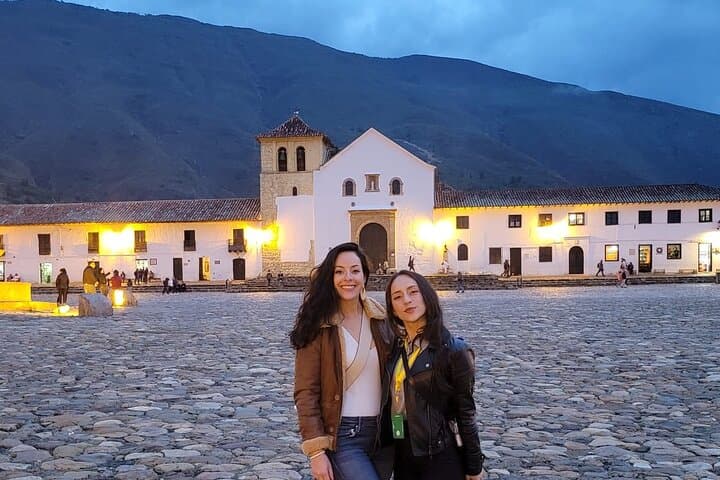
A morning in Boyacá begins on a plaza that still holds the volume of a 17th‑century town: whitewashed facades, wide cobbles and a church bell that marks the slow rhythm of Villa de Leyva. Visitors step off the van into thin, dry air and a wide sky; the nearby hills shape the light and the Teatinos River cuts a green line through preserved farmland.
Verified experiences and guided adventures in the surrounding area.
Operated by transfers & tours Colombia · Villa de Leyva, Boyacá
A morning in Boyacá begins on a plaza that still holds the volume of a 17th‑century town: whitewashed facades, wide cobbles and a church bell that marks the slow rhythm of Villa de Leyva. Visitors step off the van into thin, dry air and a wide sky; the nearby hills shape the light and the Teatinos River cuts a green line through preserved farmland.
The day pairs colonial history with deep geology. Villa de Leyva’s Plaza Mayor and the House of the First Congress recall the early republic and the nearby Battle of Boyacá that helped secure Colombia’s independence. At Zipaquirá, the Salt Cathedral repurposes an active halite mine—staggering, illuminated caverns hewn from rock salt where miners’ craft meets devotional architecture.
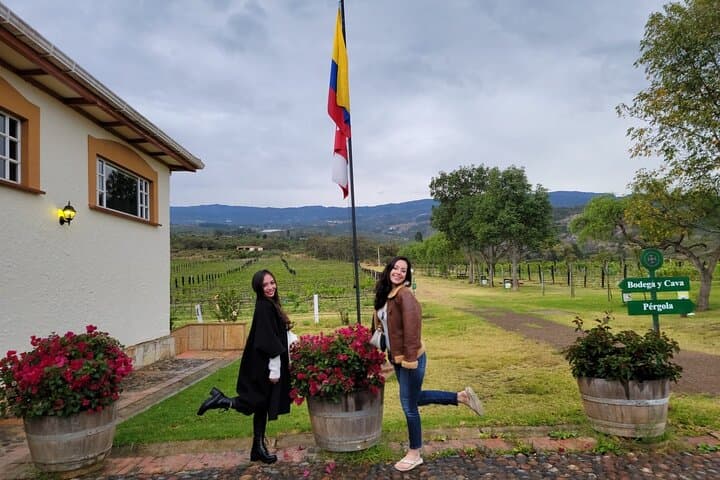
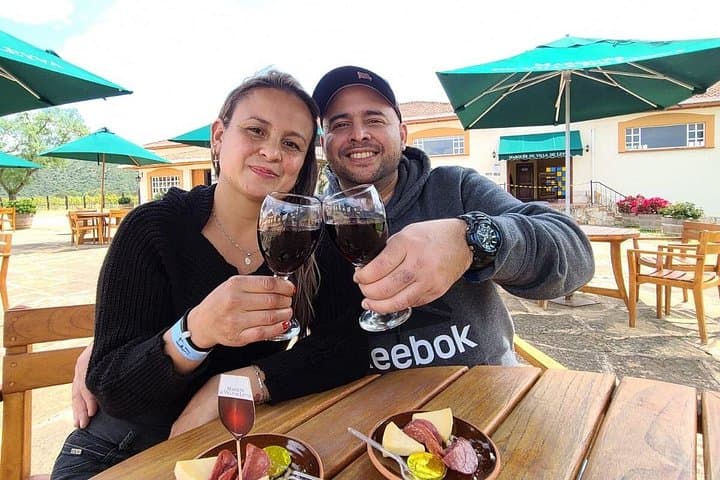
Cultural highlights include Raquira’s painted pottery streets, Villa de Leyva’s Chocolate Museum and a small vineyard where high‑altitude vines yield local bottlings. The geology is immediate: Andean sedimentary basins, exposed salt layers and volcanic ash soils that shape local agriculture.
Logistics are straightforward but full‑day: expect 12–13 hours door‑to‑door from Bogotá with roughly 3–4 hours driving to Villa de Leyva and a separate stop at Zipaquirá (about 1–1.5 hours from Bogotá). Elevations range 2,100–2,650 m; wear sturdy walking shoes for cobbles and uneven grassy terrain, bring layers for cool highland mornings and refillable water. Carry cash for markets, and plan for stairs and narrow passages in the Salt Cathedral. Start early to avoid afternoon showers and to make the most of museum times and vineyard visits.
easy.
12–13 hours.
Suitable for travelers in average fitness; able to walk short distances on uneven ground and climb stairs in the Salt Cathedral.
This is a full‑day private tour (about 12–13 hours); expect ~3–4 hours driving to Villa de Leyva from Bogotá and additional driving to Zipaquirá—comfort stops included.
Yes, entrance to the Salt Cathedral and other listed admissions like the vineyard tasting are included in the tour price.
The tour is family‑friendly but involves cobblestones, grassy uneven terrain and stairs in the Salt Cathedral—it’s stroller‑accessible in some areas but not fully wheelchair accessible.
Yes, the tour offers hotel/hostel/Airbnb pickup in Bogotá—provide exact pickup address at booking.
The region around Villa de Leyva and the Boyacá valley played a pivotal role in Colombia’s independence; the Battle of Boyacá (1819) nearby helped secure freedom from Spanish rule.
Salt mining and tourism both impact local ecosystems—stay on marked paths, decline single‑use plastics and support local artisans and small wineries to keep economic benefits local.
transfers & tours Colombia operates guided outdoor trips and adventures with an emphasis on safety, stewardship, and memorable experiences.
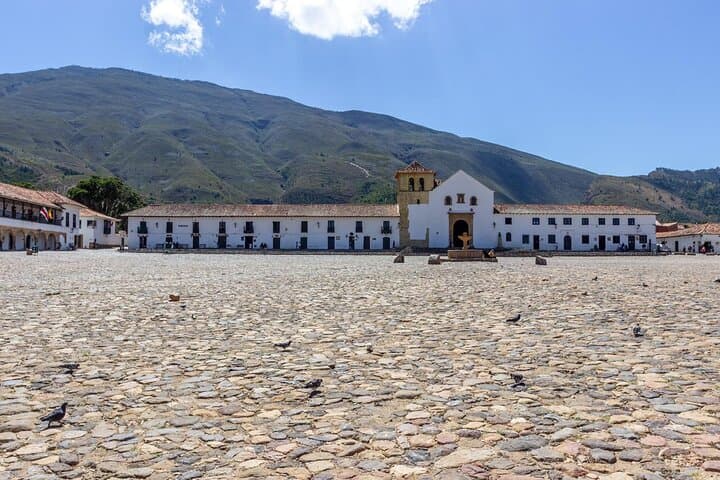
A morning in Boyacá begins on a plaza that still holds the volume of a 17th‑century town: whitewashed facades, wide cobbles and a church bell that marks the slow rhythm of Villa de Leyva. Visitors step off the van into thin, dry air and a wide sky; the nearby hills shape the light and the Teatinos River cuts a green line through preserved farmland.
A morning in Boyacá begins on a plaza that still holds the volume of a 17th‑century town: whitewashed facades, wide cobbles and a church bell that marks the slow rhythm of Villa de Leyva. Visitors step off the van into thin, dry air and a wide sky; the nearby hills shape the light and the Teatinos River cuts a green line through preserved farmland.
The day pairs colonial history with deep geology. Villa de Leyva’s Plaza Mayor and the House of the First Congress recall the early republic and the nearby Battle of Boyacá that helped secure Colombia’s independence. At Zipaquirá, the Salt Cathedral repurposes an active halite mine—staggering, illuminated caverns hewn from rock salt where miners’ craft meets devotional architecture.
Cultural highlights include Raquira’s painted pottery streets, Villa de Leyva’s Chocolate Museum and a small vineyard where high‑altitude vines yield local bottlings. The geology is immediate: Andean sedimentary basins, exposed salt layers and volcanic ash soils that shape local agriculture.
Logistics are straightforward but full‑day: expect 12–13 hours door‑to‑door from Bogotá with roughly 3–4 hours driving to Villa de Leyva and a separate stop at Zipaquirá (about 1–1.5 hours from Bogotá). Elevations range 2,100–2,650 m; wear sturdy walking shoes for cobbles and uneven grassy terrain, bring layers for cool highland mornings and refillable water. Carry cash for markets, and plan for stairs and narrow passages in the Salt Cathedral. Start early to avoid afternoon showers and to make the most of museum times and vineyard visits.