THE ADVENTURE COLLECTIVE® · Independent discovery and booking for outdoor travel

Walk terraces where water becomes performance: a private two-hour tour of Villa d'Este uncovers Renaissance frescoes, engineered fountains and views over the Aniene valley. Discover practical tips for timing, footing and what to look for on this classic Tivoli visit.
Walk terraces where water becomes performance: a private two-hour tour of Villa d'Este uncovers Renaissance frescoes, engineered fountains and views over the Aniene valley. Discover practical tips for timing, footing and what to look for on this classic Tivoli visit.
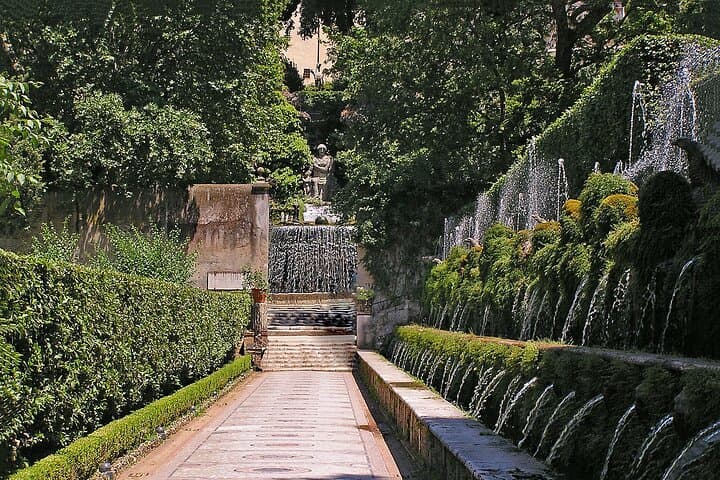
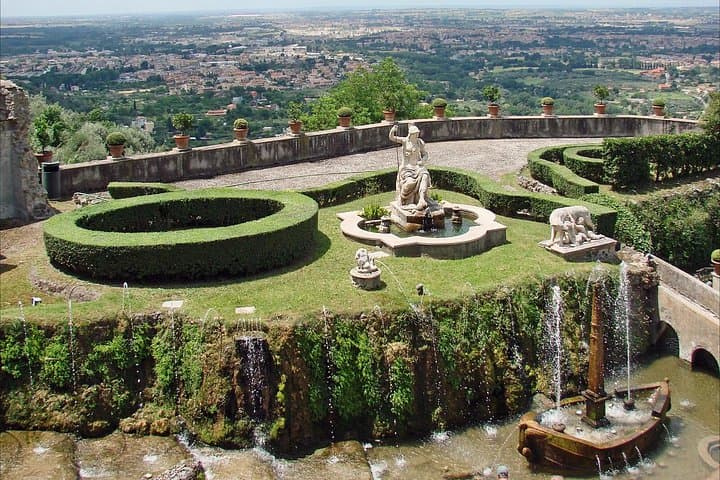
Step off the coach and the valley opens: air scented by wet stone, a chorus of water daring you forward as terraces spill toward the Aniene below. Villa d'Este greets visitors with a procession of fountains and carved gods, where the sound of falling water marks the route as surely as any path.
Verified experiences and guided adventures in the surrounding area.
Operated by Blue Cat Tours · Tivoli, Lazio
Step off the coach and the valley opens: air scented by wet stone, a chorus of water daring you forward as terraces spill toward the Aniene below. Villa d'Este greets visitors with a procession of fountains and carved gods, where the sound of falling water marks the route as surely as any path.
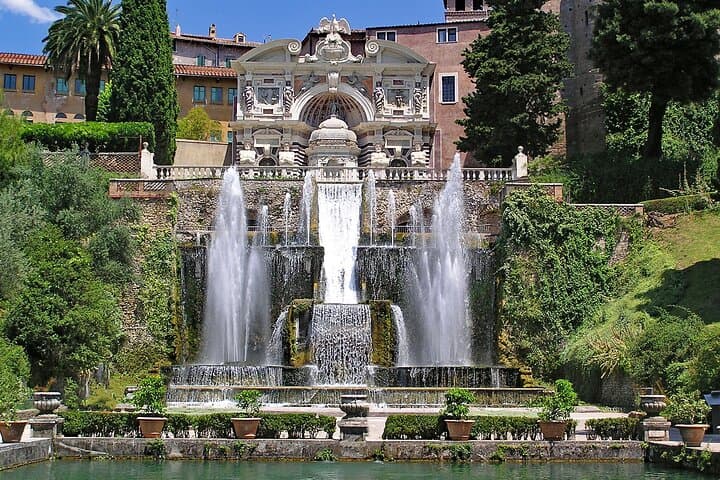
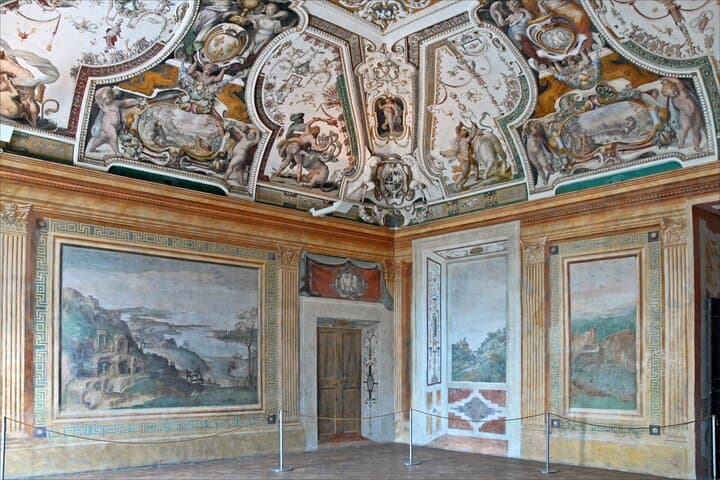
Built in the 16th century by Cardinal Ippolito d'Este, the villa is a working demonstration of Renaissance ambition—engineering meeting spectacle. Designers like Pirro Ligorio and touches by Gian Lorenzo Bernini shaped a garden that channels hillside springs into ornate cascades, fish ponds and the famous Fountain of the Organ. Inside, frescoed apartments recount myths—the labours of Hercules, hunting scenes and pagan deities—each panel a cultural snapshot of Este power and papal curiosity.
Geology and hydraulics play leading roles: terraces cut into the Tivoli slope, fed by gravity and local springs rather than pumps, give the fountains steady pressure that changes with season and rainfall. The grounds sit steps from Tivoli's medieval streets, making a walk through the town a natural half-day extension after the two-hour visit.
Practically, expect uneven stone steps, wet surfaces and concentrated crowds at peak hours. The private two-hour tour includes skip-the-line entry; plan to arrive early or late afternoon to avoid tour peaks. Bring grippy shoes, a refillable bottle, sun protection and a light jacket for spring showers. Photography is allowed but be considerate around delicate frescoes and fountains. The villa rewards close attention: statues, water features and engineered sightlines reveal more on a slow, thoughtful walk.
easy.
2 hours.
Suitable for most fitness levels but requires stable footing for stairs and uneven surfaces
Yes—this private tour includes skip-the-line entry to Villa d'Este and a private guided tour for the booked party.
Access is limited: many terraces and viewpoints are reached by stone steps; check with the operator for specific accessibility arrangements before booking.
The tour runs about two hours, which covers the main apartments and gardens; add time if you want to explore Tivoli's town center or Hadrian's Villa separately.
It's possible but tight—Hadrian's Villa is outside Tivoli and deserves at least 90 minutes; allow for transport time and reduced pace if you plan both in a single day.
Constructed in the 16th century for Cardinal Ippolito d'Este, the villa mixes Renaissance art and hydraulic innovation; its water organ and dramatic fountains once hosted papal visitors.
Villa d'Este is a UNESCO World Heritage site—visitor numbers and water management are monitored to protect stonework and delicate frescoes; stay on marked paths and avoid touching sculptures.
Blue Cat Tours operates guided outdoor trips and adventures with an emphasis on safety, stewardship, and memorable experiences.
Step off the coach and the valley opens: air scented by wet stone, a chorus of water daring you forward as terraces spill toward the Aniene below. Villa d'Este greets visitors with a procession of fountains and carved gods, where the sound of falling water marks the route as surely as any path.
Step off the coach and the valley opens: air scented by wet stone, a chorus of water daring you forward as terraces spill toward the Aniene below. Villa d'Este greets visitors with a procession of fountains and carved gods, where the sound of falling water marks the route as surely as any path.
Built in the 16th century by Cardinal Ippolito d'Este, the villa is a working demonstration of Renaissance ambition—engineering meeting spectacle. Designers like Pirro Ligorio and touches by Gian Lorenzo Bernini shaped a garden that channels hillside springs into ornate cascades, fish ponds and the famous Fountain of the Organ. Inside, frescoed apartments recount myths—the labours of Hercules, hunting scenes and pagan deities—each panel a cultural snapshot of Este power and papal curiosity.
Geology and hydraulics play leading roles: terraces cut into the Tivoli slope, fed by gravity and local springs rather than pumps, give the fountains steady pressure that changes with season and rainfall. The grounds sit steps from Tivoli's medieval streets, making a walk through the town a natural half-day extension after the two-hour visit.
Practically, expect uneven stone steps, wet surfaces and concentrated crowds at peak hours. The private two-hour tour includes skip-the-line entry; plan to arrive early or late afternoon to avoid tour peaks. Bring grippy shoes, a refillable bottle, sun protection and a light jacket for spring showers. Photography is allowed but be considerate around delicate frescoes and fountains. The villa rewards close attention: statues, water features and engineered sightlines reveal more on a slow, thoughtful walk.