THE ADVENTURE COLLECTIVE® · Independent discovery and booking for outdoor travel

A compact art-filled villa on Cavtat’s harbor, Villa Banac offers an intimate look at regional and European works in a seaside residence. Quick to visit and easy to reach, it’s ideal for travelers pairing culture with a coastal stroll.
A compact art-filled villa on Cavtat’s harbor, Villa Banac offers an intimate look at regional and European works in a seaside residence. Quick to visit and easy to reach, it’s ideal for travelers pairing culture with a coastal stroll.
You step off the stone quay, the Adriatic a cool blue pressing at the harbor, and the villa’s pale façade sits like a quiet promise on the water’s edge. Inside Villa Banac the rooms move at a different speed—light sliding across frames, the hush of footfalls on old floors, and occasional gull calls drifting through open windows that face Cavtat’s harbor.
Verified experiences and guided adventures in the surrounding area.
Operated by Villa Banac Museum Entrance · Cavtat, Dubrovnik-Neretva County
You step off the stone quay, the Adriatic a cool blue pressing at the harbor, and the villa’s pale façade sits like a quiet promise on the water’s edge. Inside Villa Banac the rooms move at a different speed—light sliding across frames, the hush of footfalls on old floors, and occasional gull calls drifting through open windows that face Cavtat’s harbor.
Cavtat itself is an old port town, originally the Roman settlement Epidaurum, later shaped by the Republic of Ragusa and maritime trade. Villa Banac occupies a seaside residence that now displays a private collection of regional and European works, giving visitors a compact but intense encounter with local art history. The building’s simple stone architecture and the town’s limestone streets reflect Dalmatia’s geology—limestone and karst carved by wind and sea.
Expect an intimate visit rather than a long museum crawl: small galleries, labeled pieces, and staff who can point to local artists and connections to Dubrovnik’s larger cultural scene. The experience pairs well with a walk along Cavtat’s waterfront promenade or a short ferry hop into the Dubrovnik region.
Practical tips: plan 15–40 minutes, wear comfortable shoes for cobbled streets, and bring a small camera (check flash rules). Mornings and late afternoons offer softer light in galleries and fewer crowds; summer brings the most visitors and warmer temperatures. The venue is stroller accessible and suitable for most fitness levels, with mobile tickets accepted. Whether you’re a dedicated art fan or a traveler piecing together Dalmatian history, Villa Banac is a compact, reachable stop that puts local creativity in full view.
easy.
10–40 minutes.
Suitable for all fitness levels; involves short walks and a few steps inside the villa.
Most visitors spend 10–40 minutes inside Villa Banac; pair it with nearby sites for a half-day itinerary.
Mobile tickets are accepted and the experience offers instant confirmation—advance booking is useful in summer.
The venue lists stroller accessibility; check locally for specific wheelchair access on ramps or historic thresholds.
Service animals are permitted; other pets may be restricted—confirm with the venue before arrival.
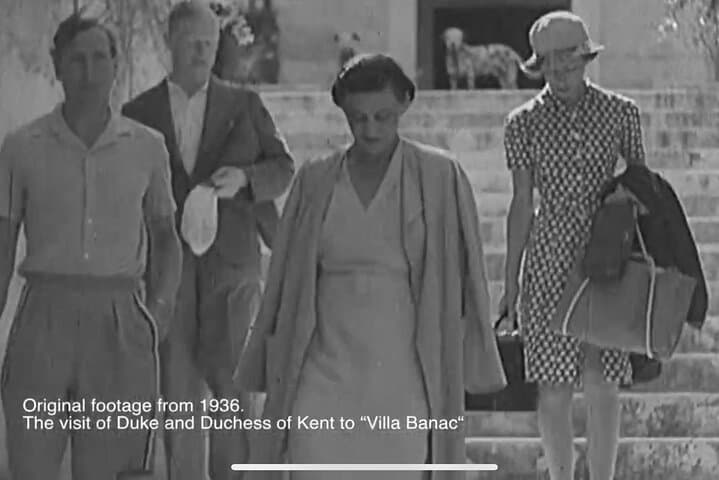
Cavtat traces back to the Roman town of Epidaurum and later flourished under the maritime Republic of Ragusa; Villa Banac reflects the town’s history as a coastal cultural hub.
Respect labeled rules inside the gallery to protect works; support local conservation by staying on paths, avoiding flash photography, and limiting group sizes to reduce wear on historic buildings.
Villa Banac Museum Entrance operates guided outdoor trips and adventures with an emphasis on safety, stewardship, and memorable experiences.
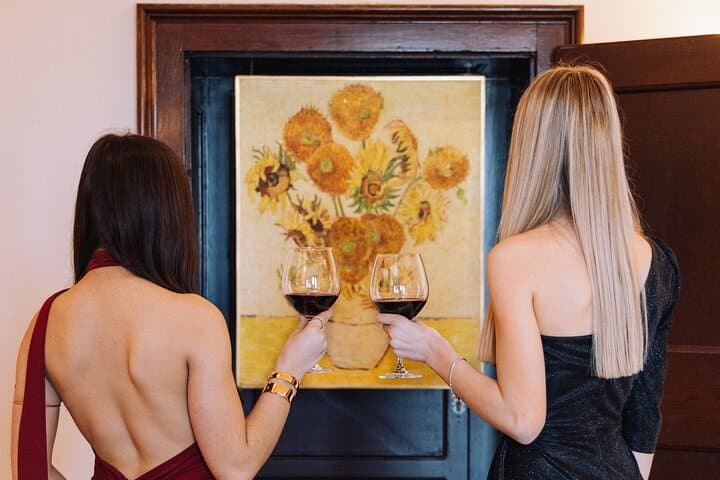
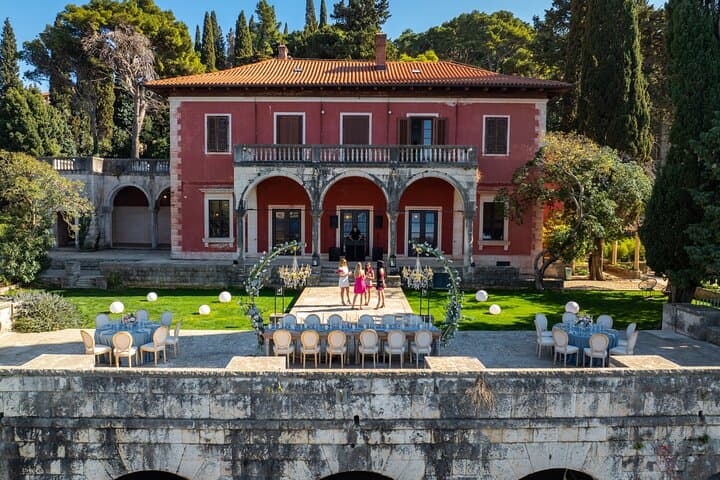
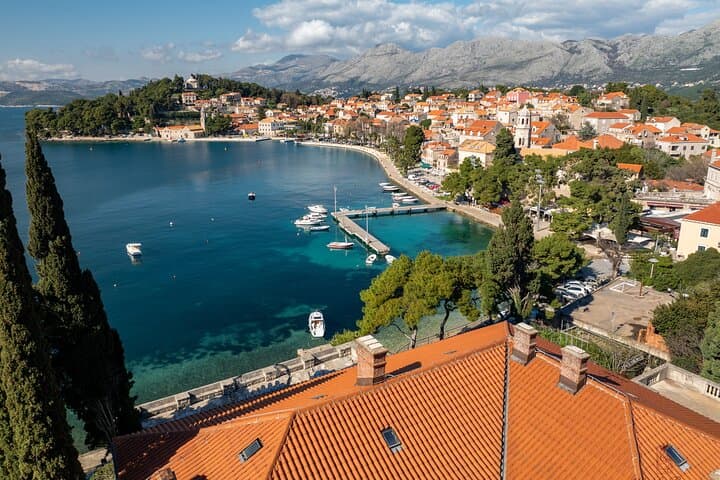
You step off the stone quay, the Adriatic a cool blue pressing at the harbor, and the villa’s pale façade sits like a quiet promise on the water’s edge. Inside Villa Banac the rooms move at a different speed—light sliding across frames, the hush of footfalls on old floors, and occasional gull calls drifting through open windows that face Cavtat’s harbor.
You step off the stone quay, the Adriatic a cool blue pressing at the harbor, and the villa’s pale façade sits like a quiet promise on the water’s edge. Inside Villa Banac the rooms move at a different speed—light sliding across frames, the hush of footfalls on old floors, and occasional gull calls drifting through open windows that face Cavtat’s harbor.
Cavtat itself is an old port town, originally the Roman settlement Epidaurum, later shaped by the Republic of Ragusa and maritime trade. Villa Banac occupies a seaside residence that now displays a private collection of regional and European works, giving visitors a compact but intense encounter with local art history. The building’s simple stone architecture and the town’s limestone streets reflect Dalmatia’s geology—limestone and karst carved by wind and sea.
Expect an intimate visit rather than a long museum crawl: small galleries, labeled pieces, and staff who can point to local artists and connections to Dubrovnik’s larger cultural scene. The experience pairs well with a walk along Cavtat’s waterfront promenade or a short ferry hop into the Dubrovnik region.
Practical tips: plan 15–40 minutes, wear comfortable shoes for cobbled streets, and bring a small camera (check flash rules). Mornings and late afternoons offer softer light in galleries and fewer crowds; summer brings the most visitors and warmer temperatures. The venue is stroller accessible and suitable for most fitness levels, with mobile tickets accepted. Whether you’re a dedicated art fan or a traveler piecing together Dalmatian history, Villa Banac is a compact, reachable stop that puts local creativity in full view.