THE ADVENTURE COLLECTIVE® · Independent discovery and booking for outdoor travel

Descend from Monodendri into Vikos Gorge and follow the crystal Voidomatis river across dramatic limestone walls to Vikos village. This full-day crossing combines easy stretches with short, rough sections and unforgettable viewpoints.
Descend from Monodendri into Vikos Gorge and follow the crystal Voidomatis river across dramatic limestone walls to Vikos village. This full-day crossing combines easy stretches with short, rough sections and unforgettable viewpoints.
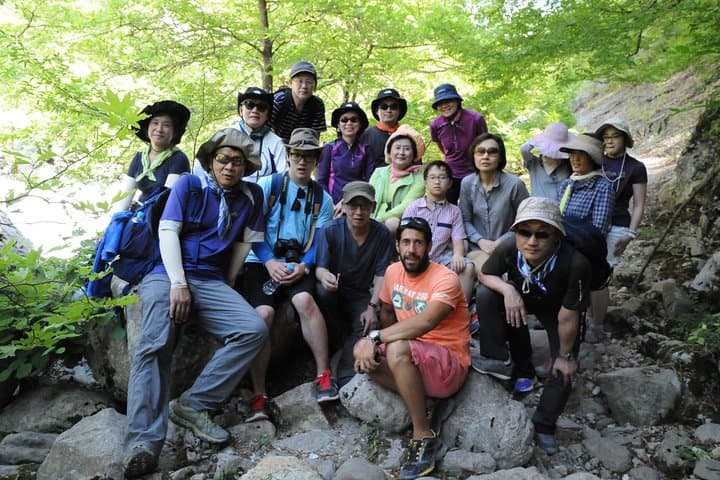
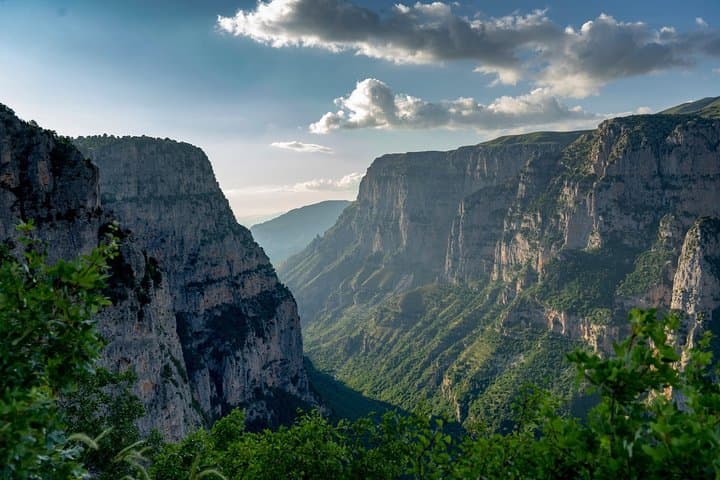
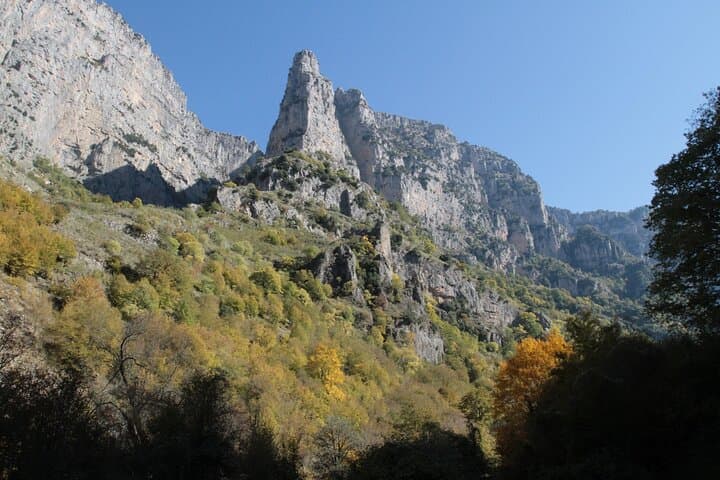
A cool morning wind moves through stone alleys as the group gathers at the parking lot near Agia Paraskevi above Monodendri. The descent is immediate: switchbacks drop through oak and beech groves, and the canyon opens like a trench between limestone cliffs. The riverbed of the Voidomatis, clear and urgent, threads the gorge below, daring you to pause at polished boulders and spring-fed pools.
Verified experiences and guided adventures in the surrounding area.
Operated by Alpine Zone · Monodendri, Epirus
A cool morning wind moves through stone alleys as the group gathers at the parking lot near Agia Paraskevi above Monodendri. The descent is immediate: switchbacks drop through oak and beech groves, and the canyon opens like a trench between limestone cliffs. The riverbed of the Voidomatis, clear and urgent, threads the gorge below, daring you to pause at polished boulders and spring-fed pools.
Geologically this is a karst landscape carved from Mesozoic limestone; vertical walls and narrow chutes record millions of years of river incision. Culturally, the trail stitches together Zagori’s stone-built villages—Monodendri, Vikos and the surrounding hamlets—each with 18th–19th century bridges and shepherding roots that still shape local life and cuisine.
Expect 6–8 hours on varied terrain: packed soil, loose scree and rocky riverbed walking in short, rough sections but mostly moderate footing. Highlights include the Voidomatis springs—among Europe’s cleanest waters—and viewpoints that expose the canyon’s extraordinary depth-to-width ratio.
Practical guidance: start early to avoid midday heat, carry at least 1.5–2 liters of water, and wear supportive shoes with good grip; trekking poles help on descents and riverbed stretches. The route is open year-round but can be wet and slippery in spring and snowbound in winter; a light waterproof and layered clothing are advisable. Groups typically finish in Vikos or Mikro Papigo with pickup options in late afternoon.
This crossing pairs dramatic geology with straightforward logistics—ideal for hikers with moderate fitness looking for a full-day, high-reward mountain walk in Epirus.
moderate.
6–8 hours.
Participants should have a moderate fitness level, comfortable with sustained walking and some elevation change.
Children 8 and older can participate if used to day hikes; expect slower pace and plan extra breaks.
There are spring-fed pools like the Voidomatis springs but treat or filter water if you plan to refill; the tour provides bottled water and a light lunch.
Late spring through early autumn offers stable conditions and wildflowers; avoid heavy rain periods and check for snow in winter.
Many operators finish at Vikos or Mikro Papigo and arrange late-afternoon pickup by minibus—confirm logistics at booking.
The high Zagori villages have Ottoman-era stone bridges and a pastoral culture; many buildings reflect 18th–19th century stone masonry tied to trade and shepherding.
The area lies within the Vikos–Aoös National Park; stick to trails, pack out waste, and avoid disturbing sensitive spring habitats.
Alpine Zone operates guided outdoor trips and adventures with an emphasis on safety, stewardship, and memorable experiences.
A cool morning wind moves through stone alleys as the group gathers at the parking lot near Agia Paraskevi above Monodendri. The descent is immediate: switchbacks drop through oak and beech groves, and the canyon opens like a trench between limestone cliffs. The riverbed of the Voidomatis, clear and urgent, threads the gorge below, daring you to pause at polished boulders and spring-fed pools.
A cool morning wind moves through stone alleys as the group gathers at the parking lot near Agia Paraskevi above Monodendri. The descent is immediate: switchbacks drop through oak and beech groves, and the canyon opens like a trench between limestone cliffs. The riverbed of the Voidomatis, clear and urgent, threads the gorge below, daring you to pause at polished boulders and spring-fed pools.
Geologically this is a karst landscape carved from Mesozoic limestone; vertical walls and narrow chutes record millions of years of river incision. Culturally, the trail stitches together Zagori’s stone-built villages—Monodendri, Vikos and the surrounding hamlets—each with 18th–19th century bridges and shepherding roots that still shape local life and cuisine.
Expect 6–8 hours on varied terrain: packed soil, loose scree and rocky riverbed walking in short, rough sections but mostly moderate footing. Highlights include the Voidomatis springs—among Europe’s cleanest waters—and viewpoints that expose the canyon’s extraordinary depth-to-width ratio.
Practical guidance: start early to avoid midday heat, carry at least 1.5–2 liters of water, and wear supportive shoes with good grip; trekking poles help on descents and riverbed stretches. The route is open year-round but can be wet and slippery in spring and snowbound in winter; a light waterproof and layered clothing are advisable. Groups typically finish in Vikos or Mikro Papigo with pickup options in late afternoon.
This crossing pairs dramatic geology with straightforward logistics—ideal for hikers with moderate fitness looking for a full-day, high-reward mountain walk in Epirus.