THE ADVENTURE COLLECTIVE® · Independent discovery and booking for outdoor travel

Walk Vigo from its oldest stones to its busiest seafood stalls on a private 3–4 hour tour. Discover hilltop panoramas, canning-era history and the sensory bustle of Mercado da Pedra with a local guide.
Walk Vigo from its oldest stones to its busiest seafood stalls on a private 3–4 hour tour. Discover hilltop panoramas, canning-era history and the sensory bustle of Mercado da Pedra with a local guide.
You step from a modern avenue into a room made of stone: narrow alleys of Casco Vello funnel the Atlantic breeze and the smell of frying fish toward you. Cobbled lanes rise in stepped terraces; shutters creak open to reveal tile-framed doorways and small plazas where old fishermen trade news.
Verified experiences and guided adventures in the surrounding area.
Operated by Opatrip.com Spain · Vigo, Galicia
You step from a modern avenue into a room made of stone: narrow alleys of Casco Vello funnel the Atlantic breeze and the smell of frying fish toward you. Cobbled lanes rise in stepped terraces; shutters creak open to reveal tile-framed doorways and small plazas where old fishermen trade news.
This private walking tour threads through Vigo’s layered past — Roman foundations under medieval walls, a 19th‑century port reshaped by canning industries, and the hilltop Castro fortress that once watched enemy sails. Geologically, the city rests on granite outcrops that force streets into steep staircases; the harbor cuts into a ria where tides tease the quays. Local culture shows itself in markets and seafood counters: Mercado da Pedra still hums with voices and the clink of crates, a living trace of Vigo’s maritime economy.
Expect about 3–4 hours of mostly gentle walking with short, steep sections to viewpoints (roughly 4–6 km total and ~100–150 m cumulative ascent if you include the fortress climb). Terrain alternates cobbles, narrow sidewalks and steps; comfortable, sure‑soled shoes are a must. Your guide will pace the group, share stories of shipbuilding and canning, point out street art, and recommend taverns for octopus and empanadas.
Practical notes: travel light, bring a reusable bottle, and layer up — coastal weather changes quickly. Morning departures avoid market crowds and maximize views from O Sereo. This is a private, small‑group format ideal for travelers who want history, panoramas and hands‑on market time without the bustle.
easy.
3–4 hours.
Suitable for most fitness levels; participants should be comfortable walking several kilometers and climbing short flights of stairs.
The tour lasts about 3–4 hours with an estimated walking distance of 4–6 km, including short steep sections to viewpoints.
Yes — it’s rated easy and suitable for most ages, though participants should be able to manage cobbles and short stair climbs.
Tours are guided by a local professional; confirm language availability at booking to ensure your preferred language is offered.
You can get a full refund if you cancel at least 24 hours before the scheduled departure; check the booking confirmation for specifics.
Vigo grew from a fishing village into a key Atlantic port; the 19th‑century canning industry and the hilltop Castro played central roles in its development.
The ria ecosystem is sensitive to pollution and overfishing; support local markets following sustainable-sourcing practices and avoid single‑use plastics.
Opatrip.com Spain operates guided outdoor trips and adventures with an emphasis on safety, stewardship, and memorable experiences.

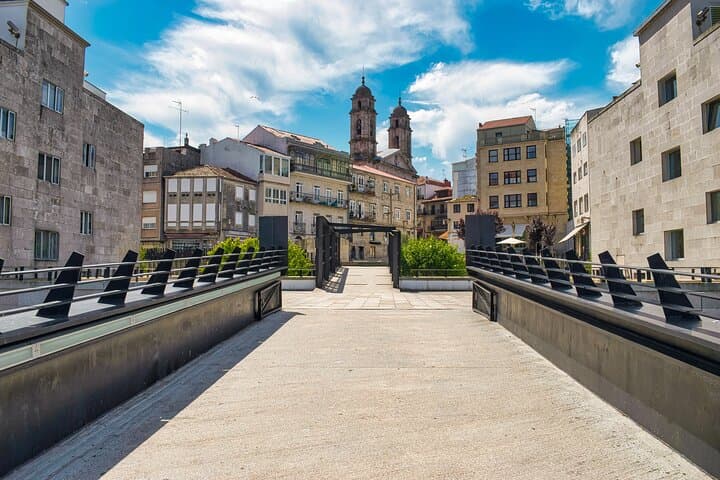

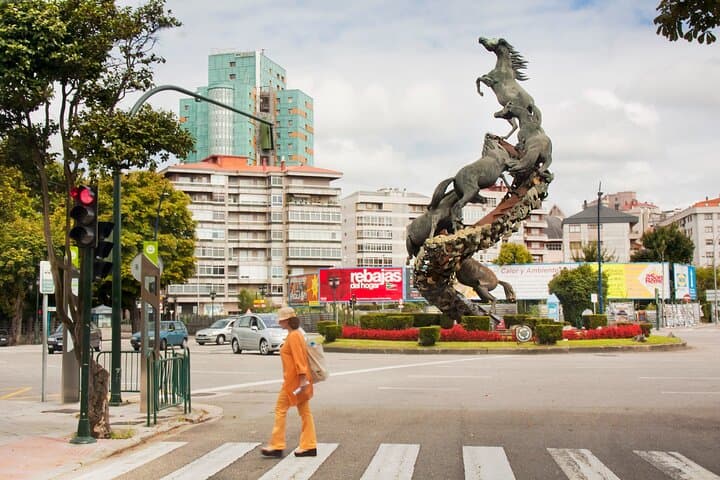
You step from a modern avenue into a room made of stone: narrow alleys of Casco Vello funnel the Atlantic breeze and the smell of frying fish toward you. Cobbled lanes rise in stepped terraces; shutters creak open to reveal tile-framed doorways and small plazas where old fishermen trade news.
You step from a modern avenue into a room made of stone: narrow alleys of Casco Vello funnel the Atlantic breeze and the smell of frying fish toward you. Cobbled lanes rise in stepped terraces; shutters creak open to reveal tile-framed doorways and small plazas where old fishermen trade news.
This private walking tour threads through Vigo’s layered past — Roman foundations under medieval walls, a 19th‑century port reshaped by canning industries, and the hilltop Castro fortress that once watched enemy sails. Geologically, the city rests on granite outcrops that force streets into steep staircases; the harbor cuts into a ria where tides tease the quays. Local culture shows itself in markets and seafood counters: Mercado da Pedra still hums with voices and the clink of crates, a living trace of Vigo’s maritime economy.
Expect about 3–4 hours of mostly gentle walking with short, steep sections to viewpoints (roughly 4–6 km total and ~100–150 m cumulative ascent if you include the fortress climb). Terrain alternates cobbles, narrow sidewalks and steps; comfortable, sure‑soled shoes are a must. Your guide will pace the group, share stories of shipbuilding and canning, point out street art, and recommend taverns for octopus and empanadas.
Practical notes: travel light, bring a reusable bottle, and layer up — coastal weather changes quickly. Morning departures avoid market crowds and maximize views from O Sereo. This is a private, small‑group format ideal for travelers who want history, panoramas and hands‑on market time without the bustle.