THE ADVENTURE COLLECTIVE® · Independent discovery and booking for outdoor travel

Ascend to the 52nd floor of Palm Tower for sweeping, 360-degree views of Palm Jumeirah, the Arabian Gulf and Dubai’s skyline. This practical guide explains what to expect, when to visit, and how to make the most of the observation deck.
Ascend to the 52nd floor of Palm Tower for sweeping, 360-degree views of Palm Jumeirah, the Arabian Gulf and Dubai’s skyline. This practical guide explains what to expect, when to visit, and how to make the most of the observation deck.
The terrace opens like a stage to the Gulf—glass and steel framing a vast palm-shaped island that seems to reach back toward the city. From the 52nd floor of Palm Tower, the motor hum of the elevator dissolves and Dubai’s geometry unfolds: the trunk and 16 fronds of Palm Jumeirah, the protective crescent, and the glittering ribbon of Sheikh Zayed Road beyond.
Verified experiences and guided adventures in the surrounding area.
Operated by Hosting Holidayz Travel & Tourism · Dubai, Dubai
The terrace opens like a stage to the Gulf—glass and steel framing a vast palm-shaped island that seems to reach back toward the city. From the 52nd floor of Palm Tower, the motor hum of the elevator dissolves and Dubai’s geometry unfolds: the trunk and 16 fronds of Palm Jumeirah, the protective crescent, and the glittering ribbon of Sheikh Zayed Road beyond.
The Palm itself is recent history: reclaimed land built in the early 2000s as a bold coastal engineering project that reconfigured Dubai’s shoreline. Geologically it sits on dredged sand and rock, its crescent acting as a breakwater that shapes local currents and sediment. Culturally the view ties modern ambition to maritime trade—the palm motif echoes regional flora and national identity while the skyline signals rapid urban growth.
Practical notes: plan 60–120 minutes for the visit; expect a swift elevator and a mix of indoor digital exhibits plus an open-air terrace. Light wind can make the terrace cooler than ground level; sunlight reflects off glass and water, so sunglasses help. For photographers, morning and late-afternoon light yield the best contrast between fronds and water; midday offers the clearest, highest-contrast panoramas for cityscapes.
Accessibility is straightforward—minimal walking and elevator access suit most fitness levels. Tickets are timed, so arrive early to pass through security and interactive displays. Treat the deck as a vantage point for orientation: scan the crescent, locate Atlantis on the far tip, then use the Palm Monorail and shoreline promenades to explore ground-level perspectives.
easy.
1–2 hours.
Minimal physical exertion required; suitable for most fitness levels with elevator access
Plan 60–120 minutes to view the exhibits, visit the open terrace, and take photographs.
Yes—access is via elevator and the facility is suitable for visitors with limited mobility; check operator details for assistance services.
Yes—the experience includes floor-to-ceiling digital displays and an interactive theatre in addition to the outdoor terrace.
Early morning and late afternoon offer softer light and color contrast; midday gives the clearest visibility for long-distance cityscapes.
Palm Jumeirah is a large-scale land reclamation project completed in the 2000s, built to expand Dubai’s coastline with a distinctive palm-tree design as a symbol of modern development.
The artificial island alters local currents and marine habitats; visitors are encouraged to minimize single-use plastics and respect coastal signage to protect local waters.
Hosting Holidayz Travel & Tourism operates guided outdoor trips and adventures with an emphasis on safety, stewardship, and memorable experiences.
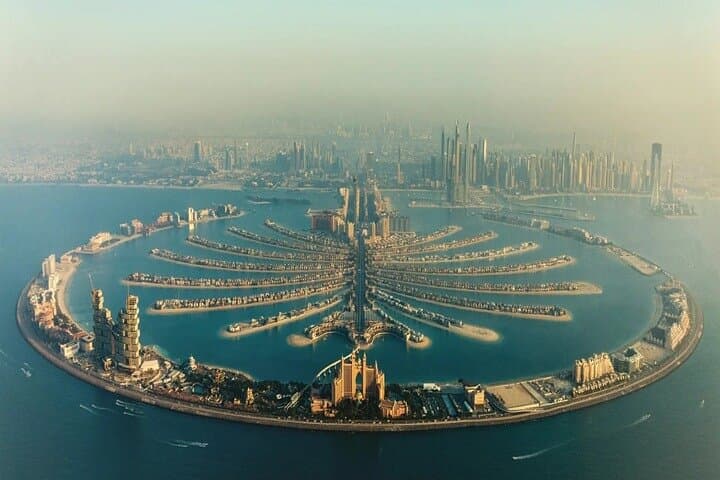
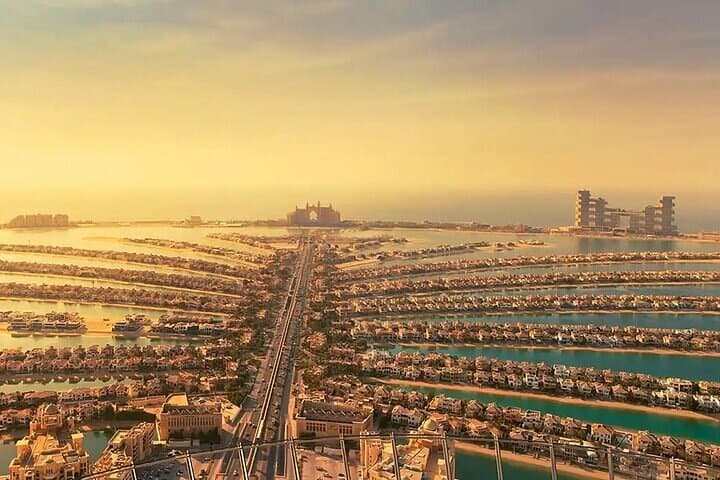
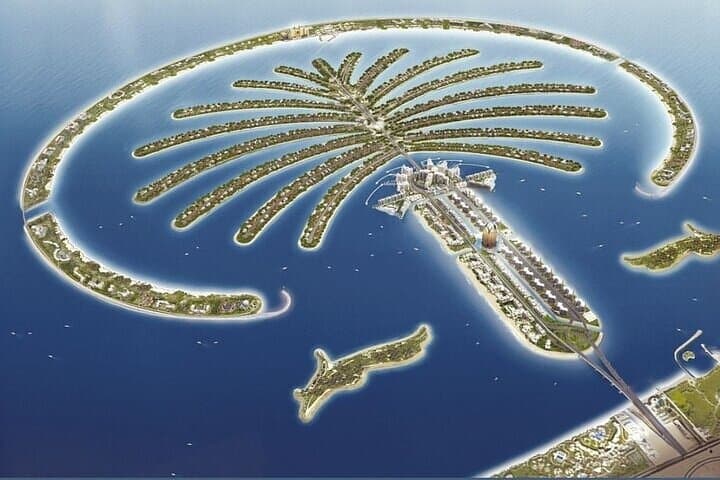
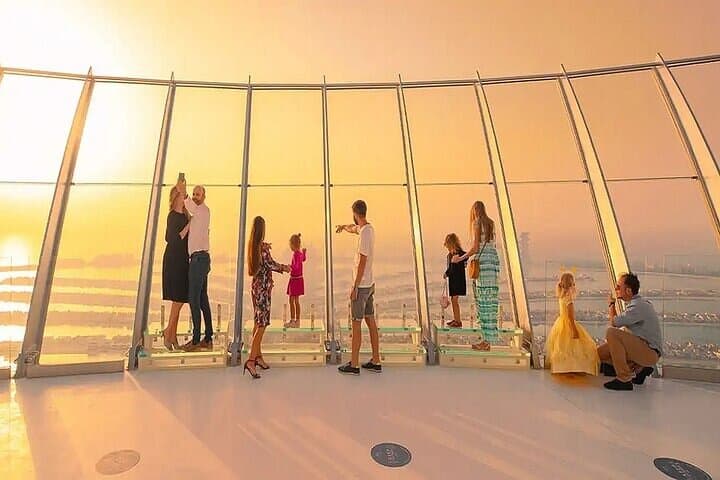
The terrace opens like a stage to the Gulf—glass and steel framing a vast palm-shaped island that seems to reach back toward the city. From the 52nd floor of Palm Tower, the motor hum of the elevator dissolves and Dubai’s geometry unfolds: the trunk and 16 fronds of Palm Jumeirah, the protective crescent, and the glittering ribbon of Sheikh Zayed Road beyond.
The terrace opens like a stage to the Gulf—glass and steel framing a vast palm-shaped island that seems to reach back toward the city. From the 52nd floor of Palm Tower, the motor hum of the elevator dissolves and Dubai’s geometry unfolds: the trunk and 16 fronds of Palm Jumeirah, the protective crescent, and the glittering ribbon of Sheikh Zayed Road beyond.
The Palm itself is recent history: reclaimed land built in the early 2000s as a bold coastal engineering project that reconfigured Dubai’s shoreline. Geologically it sits on dredged sand and rock, its crescent acting as a breakwater that shapes local currents and sediment. Culturally the view ties modern ambition to maritime trade—the palm motif echoes regional flora and national identity while the skyline signals rapid urban growth.
Practical notes: plan 60–120 minutes for the visit; expect a swift elevator and a mix of indoor digital exhibits plus an open-air terrace. Light wind can make the terrace cooler than ground level; sunlight reflects off glass and water, so sunglasses help. For photographers, morning and late-afternoon light yield the best contrast between fronds and water; midday offers the clearest, highest-contrast panoramas for cityscapes.
Accessibility is straightforward—minimal walking and elevator access suit most fitness levels. Tickets are timed, so arrive early to pass through security and interactive displays. Treat the deck as a vantage point for orientation: scan the crescent, locate Atlantis on the far tip, then use the Palm Monorail and shoreline promenades to explore ground-level perspectives.