THE ADVENTURE COLLECTIVE® · Independent discovery and booking for outdoor travel

Build practical striking and clinch skills in a 90‑minute beginner class taught by experienced, English‑speaking instructors in Da Nang. Classes run in studios, hotel gyms, or on My Khe Beach—perfect for travelers seeking active cultural immersion.
Build practical striking and clinch skills in a 90‑minute beginner class taught by experienced, English‑speaking instructors in Da Nang. Classes run in studios, hotel gyms, or on My Khe Beach—perfect for travelers seeking active cultural immersion.
The morning light on My Khe Beach hits warm sand as instructors call out simple drills—jab, clinch, push. You step into a small circle of students, palms chalky, breath matching the cadence of the trainer. Whether in an air‑conditioned studio in Da Nang, a hotel gym, or barefoot on sand, the class moves fast-paced but accessible: stance work, striking basics, and controlled clinch drills that teach balance and timing.
Verified experiences and guided adventures in the surrounding area.
Operated by Happy Tour · Da Nang, Da Nang
The morning light on My Khe Beach hits warm sand as instructors call out simple drills—jab, clinch, push. You step into a small circle of students, palms chalky, breath matching the cadence of the trainer. Whether in an air‑conditioned studio in Da Nang, a hotel gym, or barefoot on sand, the class moves fast-paced but accessible: stance work, striking basics, and controlled clinch drills that teach balance and timing.
Vietnamese martial arts have roots in village self‑defense systems and formal schools such as Vovinam; modern beginner sessions often blend traditional techniques with practical striking and conditioning. The local landscape—coastal beaches, the nearby Marble Mountains’ limestone rises, and rice paddies outside Hoi An—has shaped training culture: open‑air drills, footwork on uneven ground, and a focus on mobility.
Culturally, expect direct but friendly instruction and a focus on respect—greetings, tidy gear, and clear communication. Many classes welcome women and children and emphasize safety and technique over sparring.
Practical guidance: arrive hydrated and warmed up; wear flexible athletic shorts and a T‑shirt or rashguard (sand classes mean quick drying). Instructors are usually English‑speaking and provide gloves or wraps, but check ahead if you prefer your own. Plan for 90 minutes total—allow extra time for arrival, stretching, and a quick technique review at the end.
This is a hands‑on way to learn self‑defense, get a focused workout, and connect with local trainers—ideal for travelers who want active cultural immersion without prior experience.
moderate.
1.5 hours (90 minutes).
Light to moderate fitness recommended—able to do bodyweight exercises and brief cardio; beginners welcome.
No—classes are designed for beginners with step‑by‑step instruction; trainers scale drills to all levels.
Wear flexible athletic wear; most classes are barefoot (especially on sand) but hotel gym sessions sometimes use light training shoes—confirm on booking.
Many sessions accept children and family groups; age limits vary, so check with the provider when booking.
Yes—professional English‑speaking instructors are commonly available and will give clear, safety‑focused coaching.
Vietnamese styles such as Vovinam and regional self‑defense systems evolved from village combat traditions and 20th‑century formal schools; contemporary classes balance heritage techniques with practical fitness.
Choose studios and beach classes that respect local clean‑up rules; avoid leaving tape, gloves, or single‑use plastics on shorelines and support small local gyms to keep training traditions sustainable.
Happy Tour operates guided outdoor trips and adventures with an emphasis on safety, stewardship, and memorable experiences.
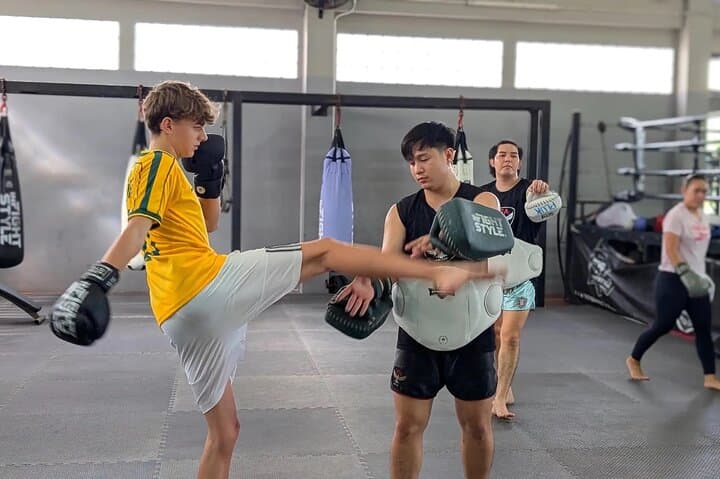
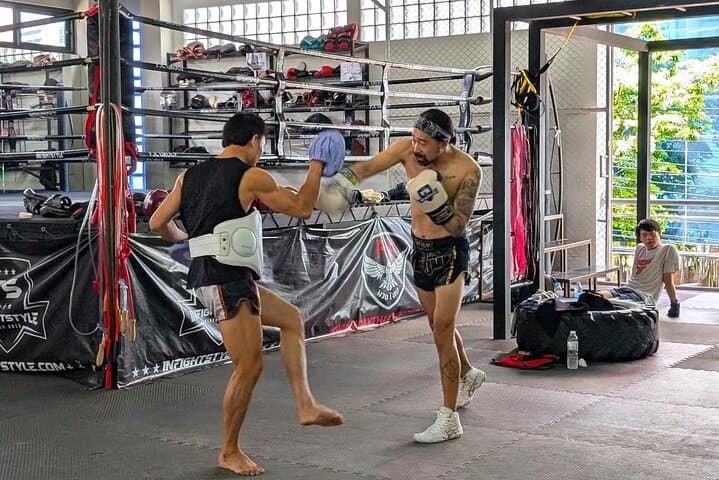
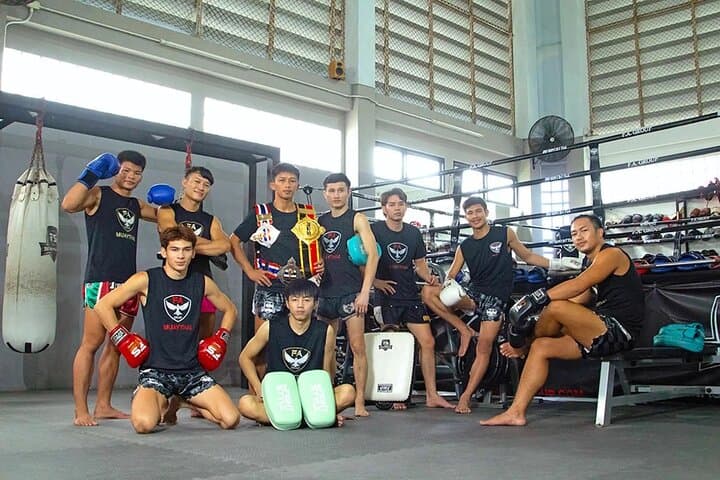

The morning light on My Khe Beach hits warm sand as instructors call out simple drills—jab, clinch, push. You step into a small circle of students, palms chalky, breath matching the cadence of the trainer. Whether in an air‑conditioned studio in Da Nang, a hotel gym, or barefoot on sand, the class moves fast-paced but accessible: stance work, striking basics, and controlled clinch drills that teach balance and timing.
The morning light on My Khe Beach hits warm sand as instructors call out simple drills—jab, clinch, push. You step into a small circle of students, palms chalky, breath matching the cadence of the trainer. Whether in an air‑conditioned studio in Da Nang, a hotel gym, or barefoot on sand, the class moves fast-paced but accessible: stance work, striking basics, and controlled clinch drills that teach balance and timing.
Vietnamese martial arts have roots in village self‑defense systems and formal schools such as Vovinam; modern beginner sessions often blend traditional techniques with practical striking and conditioning. The local landscape—coastal beaches, the nearby Marble Mountains’ limestone rises, and rice paddies outside Hoi An—has shaped training culture: open‑air drills, footwork on uneven ground, and a focus on mobility.
Culturally, expect direct but friendly instruction and a focus on respect—greetings, tidy gear, and clear communication. Many classes welcome women and children and emphasize safety and technique over sparring.
Practical guidance: arrive hydrated and warmed up; wear flexible athletic shorts and a T‑shirt or rashguard (sand classes mean quick drying). Instructors are usually English‑speaking and provide gloves or wraps, but check ahead if you prefer your own. Plan for 90 minutes total—allow extra time for arrival, stretching, and a quick technique review at the end.
This is a hands‑on way to learn self‑defense, get a focused workout, and connect with local trainers—ideal for travelers who want active cultural immersion without prior experience.