THE ADVENTURE COLLECTIVE® · Independent discovery and booking for outdoor travel

An eight-day circuit from Ho Chi Minh City to Hanoi that stitches together the Mekong Delta’s slow waterways, the Cu Chi tunnels, Hoi An’s lanterned streets and the karst islands of Ha Long Bay. Expect varied transport, early starts, and rich regional food.
An eight-day circuit from Ho Chi Minh City to Hanoi that stitches together the Mekong Delta’s slow waterways, the Cu Chi tunnels, Hoi An’s lanterned streets and the karst islands of Ha Long Bay. Expect varied transport, early starts, and rich regional food.
You step out of Saigon’s humid night into a city that never quite sleeps: scooters weave like schools of fish, street vendors call, and temple incense threads into traffic exhaust.
Verified experiences and guided adventures in the surrounding area.
Operated by ADVENTURE INDOCHINA TRAVEL COMPANY LIMITED · Ho Chi Minh City, Ho Chi Minh
You step out of Saigon’s humid night into a city that never quite sleeps: scooters weave like schools of fish, street vendors call, and temple incense threads into traffic exhaust.
This eight-day loop threads the country’s contrasts — the slow, braided waterways of the Mekong Delta; the underground ingenuity of the Cu Chi tunnels; the lantern-lit lanes of Hoi An; and finally the wind-carved limestone towers of Ha Long Bay. Geologically, Halong’s karst islands rose from tectonic uplift and millions of years of erosion; the Mekong plain is seasonal alluvium, every flood renewing orchards and riverbanks.
Culturally the trip is layered: French-colonial architecture in Saigon and Hanoi, Cham and Chinese influences around Da Nang and Hoi An, and rice-based livelihoods in the south. Food is a through-line — pho for breakfast, fresh seafood on the bay, coconut sweets in Cai Be — each meal a local chapter.
Practical notes: travel is a mix of short flights, van transfers and boats; days can be long so plan for early starts. Footwear should be sturdy for village paths and slippery caves; pack light layers and a waterproof. Carry local currency for small purchases, and allow buffer time for traffic or weather delays when moving between cities.
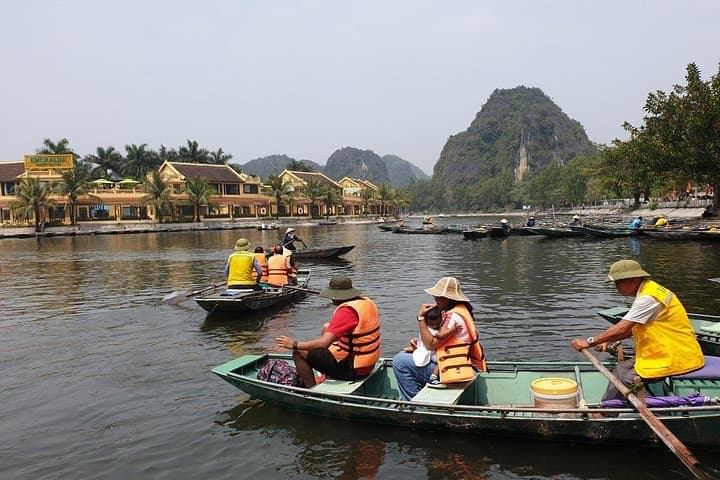
This itinerary balances sightseeing and active moments — cycling orchards, a basket-boat paddle through coconut groves, a cable car to Ba Na Hills — making it a solid, accessible introduction to Vietnam for first-time and repeat visitors alike.
moderate.
8 days.
Suitable for travelers with average fitness; involves walking, short hikes, cycling on flat village paths and boat transfers.
Visa requirements depend on your nationality; check Vietnam’s official visa rules well before travel and ensure passport validity of at least six months.
The itinerary lists several included breakfasts and lunches and some dinners; check the booking details for exact meal counts and any dietary accommodation requests.
The tour is marketed as accessible for most fitness levels, but long travel days and occasional stairs may be tiring; consult the operator about mobility needs.
ATMs are common in major cities; carry cash for markets and tips. Credit cards work at larger hotels and restaurants but less so in villages.
The route crosses sites shaped by French colonialism, Cham trading heritage, and wartime history—Cu Chi’s tunnels reflect guerrilla engineering during the Vietnam War.
Tourism pressure in Ha Long Bay and fragile mangrove ecosystems requires respectful behavior: avoid littering, use reef-friendly sunscreen, and support locally run businesses.
ADVENTURE INDOCHINA TRAVEL COMPANY LIMITED operates guided outdoor trips and adventures with an emphasis on safety, stewardship, and memorable experiences.


You step out of Saigon’s humid night into a city that never quite sleeps: scooters weave like schools of fish, street vendors call, and temple incense threads into traffic exhaust.
You step out of Saigon’s humid night into a city that never quite sleeps: scooters weave like schools of fish, street vendors call, and temple incense threads into traffic exhaust.
This eight-day loop threads the country’s contrasts — the slow, braided waterways of the Mekong Delta; the underground ingenuity of the Cu Chi tunnels; the lantern-lit lanes of Hoi An; and finally the wind-carved limestone towers of Ha Long Bay. Geologically, Halong’s karst islands rose from tectonic uplift and millions of years of erosion; the Mekong plain is seasonal alluvium, every flood renewing orchards and riverbanks.
Culturally the trip is layered: French-colonial architecture in Saigon and Hanoi, Cham and Chinese influences around Da Nang and Hoi An, and rice-based livelihoods in the south. Food is a through-line — pho for breakfast, fresh seafood on the bay, coconut sweets in Cai Be — each meal a local chapter.
Practical notes: travel is a mix of short flights, van transfers and boats; days can be long so plan for early starts. Footwear should be sturdy for village paths and slippery caves; pack light layers and a waterproof. Carry local currency for small purchases, and allow buffer time for traffic or weather delays when moving between cities.
This itinerary balances sightseeing and active moments — cycling orchards, a basket-boat paddle through coconut groves, a cable car to Ba Na Hills — making it a solid, accessible introduction to Vietnam for first-time and repeat visitors alike.