THE ADVENTURE COLLECTIVE® · Independent discovery and booking for outdoor travel

A compact 7-day route linking Hanoi, Ha Long Bay, Ninh Binh, Ba Na Hills and Hoi An—this package combines cruising, kayaking, cultural sites and light hikes. Expect limestone scenery, market culture, and several active days balanced with comfortable transfers and guided meals.
A compact 7-day route linking Hanoi, Ha Long Bay, Ninh Binh, Ba Na Hills and Hoi An—this package combines cruising, kayaking, cultural sites and light hikes. Expect limestone scenery, market culture, and several active days balanced with comfortable transfers and guided meals.
You step out of Noi Bai airport into the warm press of Hanoi air, the Old Quarter’s narrow streets already humming with scooters and street vendors. Over the next seven days the itinerary unfolds like a layered map: limestone towers rising from Ha Long’s sea, quiet rice flats in Ninh Binh, the basket-boat waterways of Cam Thanh, and the high, flower-lined promenades of Ba Na Hills with the Golden Bridge overhead.
Verified experiences and guided adventures in the surrounding area.
Operated by ADVENTURE INDOCHINA TRAVEL COMPANY LIMITED · Hanoi, Hanoi
You step out of Noi Bai airport into the warm press of Hanoi air, the Old Quarter’s narrow streets already humming with scooters and street vendors. Over the next seven days the itinerary unfolds like a layered map: limestone towers rising from Ha Long’s sea, quiet rice flats in Ninh Binh, the basket-boat waterways of Cam Thanh, and the high, flower-lined promenades of Ba Na Hills with the Golden Bridge overhead.
This route threads together Vietnam’s rich history and dramatic karst geology. Hoa Lu, once the nation’s capital in the 10th century, keeps low stone temples and stories of feudal dynasties, while Ha Long and Tam Coc showcase the same marine and river karst carved by water over millions of years. Hoi An’s centuries-old trading port and Japanese Covered Bridge reveal the cultural exchanges that shaped central Vietnam. Local life remains visible: fishermen tending nets, farmers cycling past flooded paddies, and market stalls fragrant with herbs and coffee.
Practically, expect a mix of transport modes—private coach transfers, overnight cruise cabins, short hikes and boat or kayak trips into caves and coves. Active moments include climbing Mua Cave viewpoint steps for sweeping valley views and paddling through Luon Cave by kayak. Best times are dry-season months for clearer seas and easier walking; rain can make stone steps slippery.
Bring quick-dry layers, sun protection, and a small daypack for water and valuables. Pace mornings for cooler light, reserve time for an evening lantern boat in Hoi An, and leave space to watch a Ha Long Bay sunset from the sundeck—nature’s final act on a busy, varied week.
moderate.
7 days (6 nights).
Moderate fitness recommended—able to manage stairs, short hikes, boarding small boats, and half-day cycling.
Typical group size is up to 15 travelers with 3-star hotel accommodations in Hanoi and Da Nang and an overnight cruise cabin in Ha Long Bay.
The itinerary lists wheelchair accessibility for some transfers, but activities like kayaking, stairs to viewpoints and small boats may be unsuitable for those with limited mobility or very young children.
Visa requirements depend on nationality—check Vietnam’s current entry rules well before travel and ensure passport validity matches the booking questions on the voucher.
Expect multiple short hikes and steep stone steps (for example at Mua Cave and Ba Na viewpoints) plus bamboo-boat and kayak outings that require getting in and out of small boats.
Hoa Lu served as Vietnam’s capital from 968–1010, and Hoi An grew as a major trading port from the 15th–19th centuries, leaving layered architecture and multicultural relics.
Ha Long Bay and the karst landscapes are ecologically sensitive—opt for operators that follow waste-management practices, and avoid single-use plastics to reduce impact.
ADVENTURE INDOCHINA TRAVEL COMPANY LIMITED operates guided outdoor trips and adventures with an emphasis on safety, stewardship, and memorable experiences.
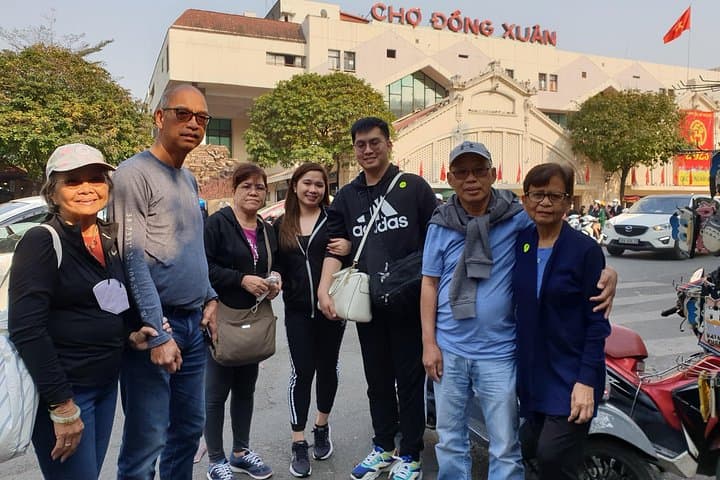
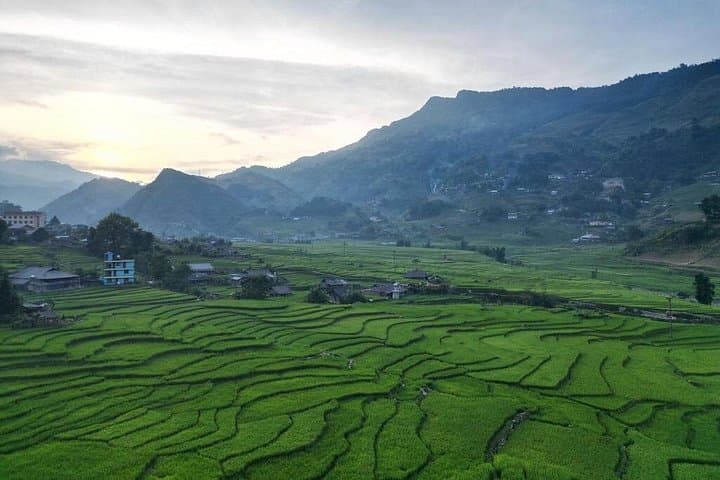
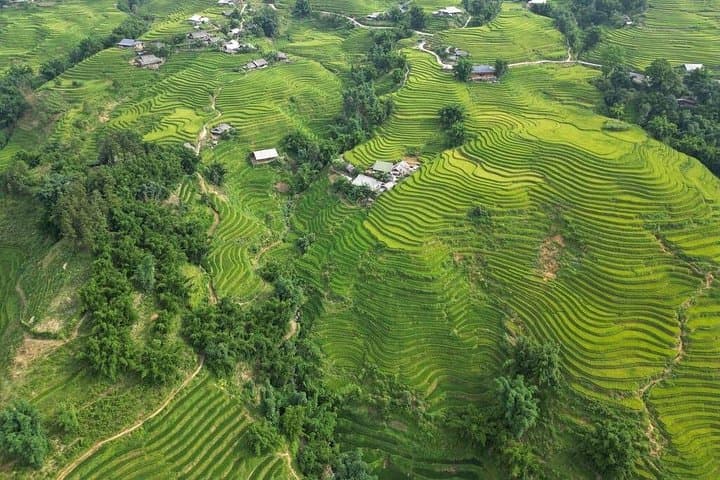
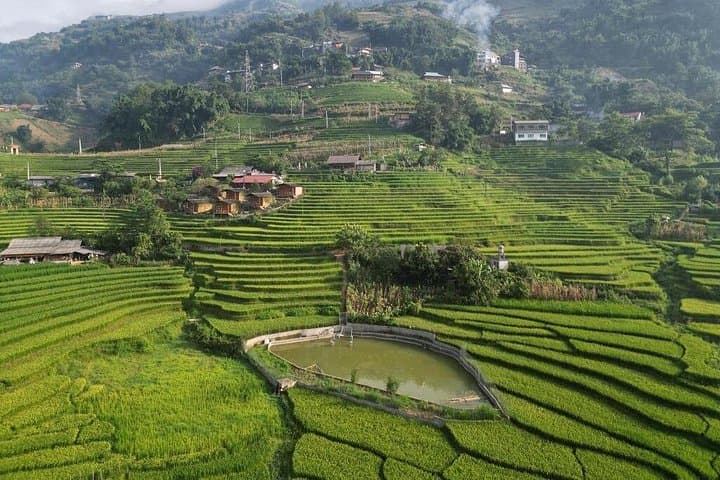
You step out of Noi Bai airport into the warm press of Hanoi air, the Old Quarter’s narrow streets already humming with scooters and street vendors. Over the next seven days the itinerary unfolds like a layered map: limestone towers rising from Ha Long’s sea, quiet rice flats in Ninh Binh, the basket-boat waterways of Cam Thanh, and the high, flower-lined promenades of Ba Na Hills with the Golden Bridge overhead.
You step out of Noi Bai airport into the warm press of Hanoi air, the Old Quarter’s narrow streets already humming with scooters and street vendors. Over the next seven days the itinerary unfolds like a layered map: limestone towers rising from Ha Long’s sea, quiet rice flats in Ninh Binh, the basket-boat waterways of Cam Thanh, and the high, flower-lined promenades of Ba Na Hills with the Golden Bridge overhead.
This route threads together Vietnam’s rich history and dramatic karst geology. Hoa Lu, once the nation’s capital in the 10th century, keeps low stone temples and stories of feudal dynasties, while Ha Long and Tam Coc showcase the same marine and river karst carved by water over millions of years. Hoi An’s centuries-old trading port and Japanese Covered Bridge reveal the cultural exchanges that shaped central Vietnam. Local life remains visible: fishermen tending nets, farmers cycling past flooded paddies, and market stalls fragrant with herbs and coffee.
Practically, expect a mix of transport modes—private coach transfers, overnight cruise cabins, short hikes and boat or kayak trips into caves and coves. Active moments include climbing Mua Cave viewpoint steps for sweeping valley views and paddling through Luon Cave by kayak. Best times are dry-season months for clearer seas and easier walking; rain can make stone steps slippery.
Bring quick-dry layers, sun protection, and a small daypack for water and valuables. Pace mornings for cooler light, reserve time for an evening lantern boat in Hoi An, and leave space to watch a Ha Long Bay sunset from the sundeck—nature’s final act on a busy, varied week.