THE ADVENTURE COLLECTIVE® · Independent discovery and booking for outdoor travel

See Vientiane’s highlights in a single, customizable private day trip—Buddha Park’s surreal sculptures, the gilded Pha That Luang, colonial-era avenues and the COPE Visitor Centre. Perfect for travelers who want a compact cultural and historical overview with hands-on local context.
See Vientiane’s highlights in a single, customizable private day trip—Buddha Park’s surreal sculptures, the gilded Pha That Luang, colonial-era avenues and the COPE Visitor Centre. Perfect for travelers who want a compact cultural and historical overview with hands-on local context.
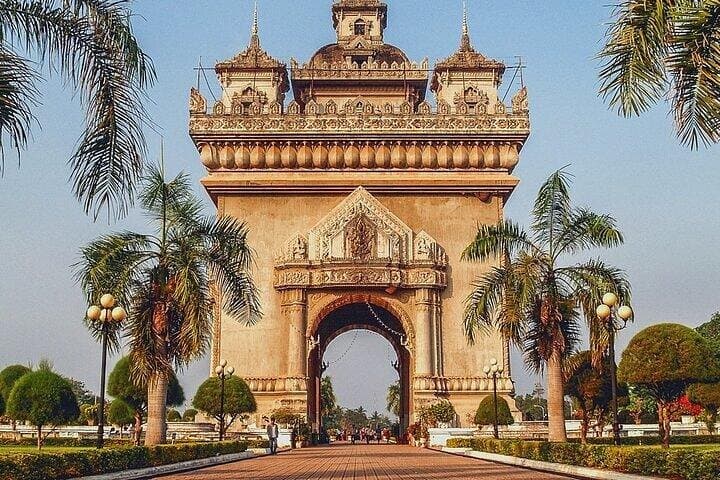
You step out into Vientiane’s slow heat as the minivan hums onto quiet boulevards, the Mekong daring the city to move faster. In six to seven hours a private guide stitches together the city’s political monuments, colonial avenues and Buddhist sites into a single, readable day—Buddha Park’s giant figures, the gold-sheen of Pha That Luang, the cloistered rows of Buddha statues at Wat Si Saket, and the curved triumphal arches of Patuxay.
Verified experiences and guided adventures in the surrounding area.
Operated by Mekong Tourist · Vientiane, Vientiane Prefecture
You step out into Vientiane’s slow heat as the minivan hums onto quiet boulevards, the Mekong daring the city to move faster. In six to seven hours a private guide stitches together the city’s political monuments, colonial avenues and Buddhist sites into a single, readable day—Buddha Park’s giant figures, the gold-sheen of Pha That Luang, the cloistered rows of Buddha statues at Wat Si Saket, and the curved triumphal arches of Patuxay.
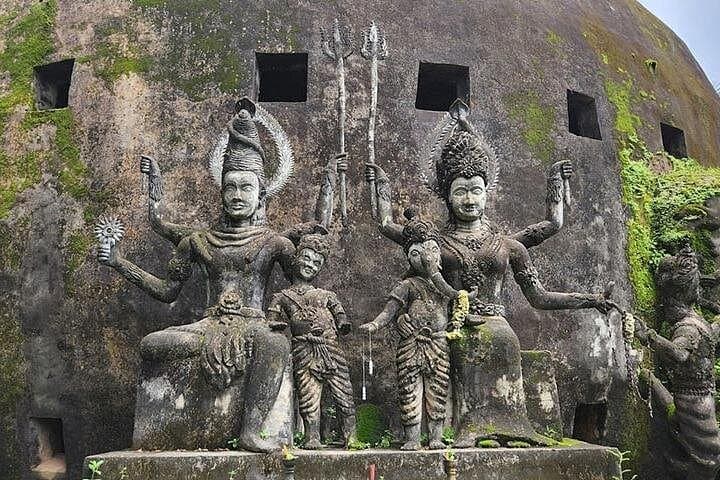
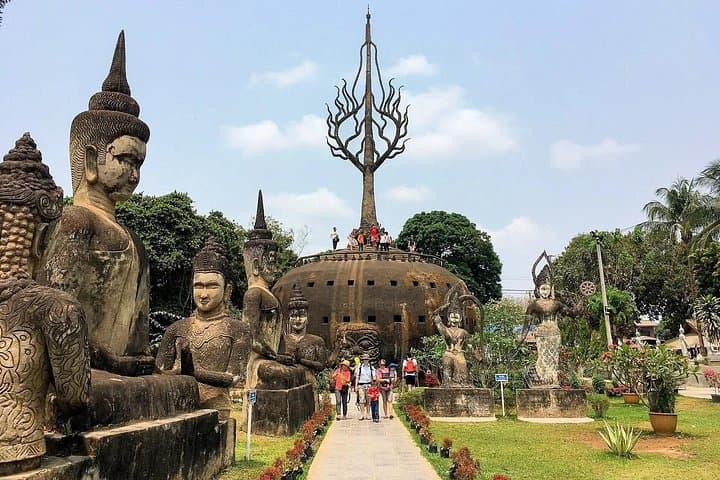
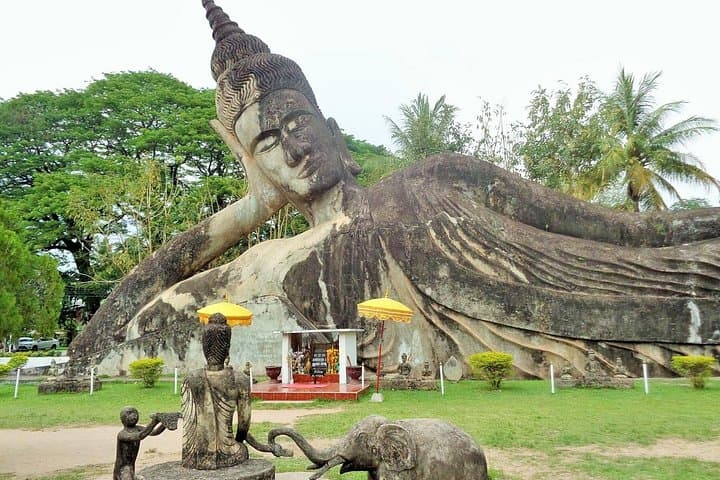
Vientiane wears its history plainly: French colonial façades rub shoulders with 19th-century temples and war-era scars. Xieng Khuan (Buddha Park), created by monk-sculptor Bunleua Sulila in 1958, contrasts sharply with Pha That Luang’s sacred presence and the modern, civic geometry of the Presidential Palace and Patuxay. The COPE Visitor Centre adds a sobering counterpoint, explaining the UXO legacy and local rehabilitation efforts.
Geologically the region is flat floodplain; the Mekong shapes the city’s rhythm and light, especially at sunset. Culture here is unhurried—temple etiquette, offerings, and the city’s coffee culture are as informative as any museum.
Practical guidance: book morning departure to avoid mid-afternoon heat, wear modest clothing for temple visits, and bring a refillable water bottle and sunscreen. Most entrances and hotel transfers are included on this private itinerary, but carry local kip for small purchases and tips. Expect light walking on mixed surfaces and several short climbs into shrines and pavilions—an accessible, compact day that balances history, architecture, and a clear look at Laos’ living past.
easy.
6–7 hours.
Suitable for most fitness levels; expect moderate walking and short stair climbs in temples
Yes—this private tour specifies that entrance fees to listed attractions are included in the booking.
Pickup and drop-off from Vientiane hotels are included; confirm your pickup point when booking.
Yes—guides can arrange meals to accommodate vegetarian, vegan, and gluten-free requests with advance notice.
The itinerary is physically easy with limited walking; however it’s not recommended for travelers with serious heart conditions per the provider’s guidance.
Vientiane reflects layered history: pre-colonial temples, French-colonial architecture, and modern national monuments like Patuxay built between 1957–1968.
The COPE Visitor Centre highlights Laos’ UXO legacy—support local rehabilitation and stick to marked trails; minimize single-use plastics and respect temple grounds.
Mekong Tourist operates guided outdoor trips and adventures with an emphasis on safety, stewardship, and memorable experiences.
You step out into Vientiane’s slow heat as the minivan hums onto quiet boulevards, the Mekong daring the city to move faster. In six to seven hours a private guide stitches together the city’s political monuments, colonial avenues and Buddhist sites into a single, readable day—Buddha Park’s giant figures, the gold-sheen of Pha That Luang, the cloistered rows of Buddha statues at Wat Si Saket, and the curved triumphal arches of Patuxay.
You step out into Vientiane’s slow heat as the minivan hums onto quiet boulevards, the Mekong daring the city to move faster. In six to seven hours a private guide stitches together the city’s political monuments, colonial avenues and Buddhist sites into a single, readable day—Buddha Park’s giant figures, the gold-sheen of Pha That Luang, the cloistered rows of Buddha statues at Wat Si Saket, and the curved triumphal arches of Patuxay.
Vientiane wears its history plainly: French colonial façades rub shoulders with 19th-century temples and war-era scars. Xieng Khuan (Buddha Park), created by monk-sculptor Bunleua Sulila in 1958, contrasts sharply with Pha That Luang’s sacred presence and the modern, civic geometry of the Presidential Palace and Patuxay. The COPE Visitor Centre adds a sobering counterpoint, explaining the UXO legacy and local rehabilitation efforts.
Geologically the region is flat floodplain; the Mekong shapes the city’s rhythm and light, especially at sunset. Culture here is unhurried—temple etiquette, offerings, and the city’s coffee culture are as informative as any museum.
Practical guidance: book morning departure to avoid mid-afternoon heat, wear modest clothing for temple visits, and bring a refillable water bottle and sunscreen. Most entrances and hotel transfers are included on this private itinerary, but carry local kip for small purchases and tips. Expect light walking on mixed surfaces and several short climbs into shrines and pavilions—an accessible, compact day that balances history, architecture, and a clear look at Laos’ living past.