THE ADVENTURE COLLECTIVE® · Independent discovery and booking for outdoor travel

Spend a day tracing Vientiane’s cultural landmarks from the 19th-century Wat Sisaket to the surreal sculptures of Buddha Park. This guided tour pairs historical context with easy walking and a local lunch.
Spend a day tracing Vientiane’s cultural landmarks from the 19th-century Wat Sisaket to the surreal sculptures of Buddha Park. This guided tour pairs historical context with easy walking and a local lunch.
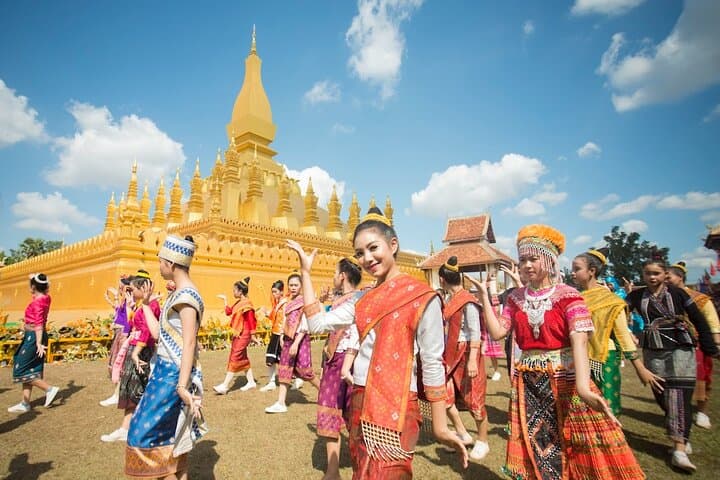
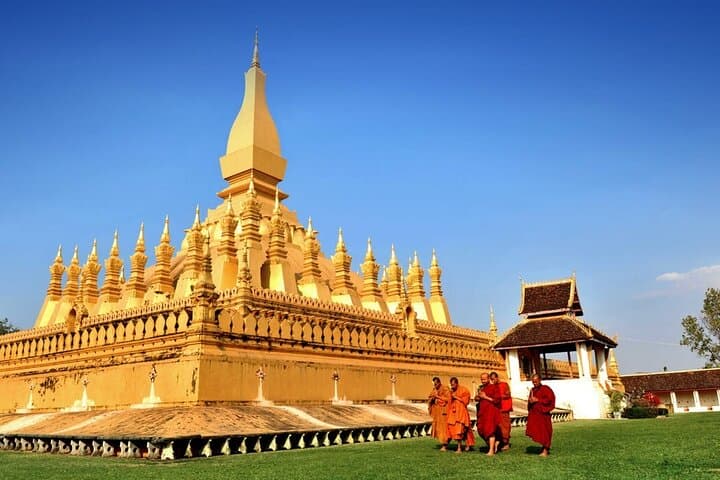
A low, hot sun slides across the Mekong as a small convoy of tuk-tuks threads Vientiane’s wide, palm-lined boulevards. The city moves at a quieter rhythm than other Southeast Asian capitals: monks cross the square in saffron, vendors arrange steaming bowls, and the gilded rooflines of Pha That Luang catch light like a map of the country’s past.
Verified experiences and guided adventures in the surrounding area.
Operated by Mekong Tourist · Vientiane, Vientiane Prefecture
A low, hot sun slides across the Mekong as a small convoy of tuk-tuks threads Vientiane’s wide, palm-lined boulevards. The city moves at a quieter rhythm than other Southeast Asian capitals: monks cross the square in saffron, vendors arrange steaming bowls, and the gilded rooflines of Pha That Luang catch light like a map of the country’s past.
The route reads like a primer on Lao identity. Wat Sisaket survives an 1828 Siamese sack and houses thousands of seated Buddhas; its wooden galleries creak with age and the smell of incense. Pha That Luang, the national stupa, is both religious focus and symbol of nationhood — its gold leaf repairs tell stories of colonial-era decline and modern restoration. Patuxay’s arched concrete rises with a hint of Paris, a 20th-century civic statement built from the echoes of French rule. The day ends at Xieng Khuan (Buddha Park), a riverside compound of concrete sculptures by mystic-artist Luang Pu Bunleua Sulilat that blends Hindu and Buddhist forms into surreal, walkable monuments.
Practically: expect 7–8 hours with hotel pickup, light walking on paved and compacted surfaces, and guided entry to all sites; lunch at a local restaurant highlights Lao dishes like larb and sticky rice. Temple dress codes require covered shoulders and knees, and midday temperatures are often high—carry water, sun protection and respectful behavior around worshippers. Bring cash for small purchases and modest offerings, and plan for brief drives between dispersed sites. The tour suits travelers wanting cultural context delivered at an easy pace, with enough downtime to observe riverside life and the city’s quieter rhythms.
easy.
7–8 hours.
Light walking ability; able to stand and climb short temple steps throughout the day
Yes — a traditional Lao lunch at a local restaurant is included and often features dishes like larb and sticky rice; inform the operator of dietary needs in advance.
Hotel pickup and drop-off are included; you’ll specify a pickup point during booking and confirmation will list an approximate pick-up window.
Children are welcome, but infants must sit on an adult’s lap; the pace is gentle and suitable for families with older children.
Shoes must be removed before entering temple interiors and certain shrines—wear socks if you prefer and be prepared to climb a few steps barefoot.
Vientiane evolved from a small riverside city to the national capital after French colonization and subsequent 20th-century restorations; Pha That Luang is central to Lao national identity.
Support local artisans and avoid single-use plastics; when visiting religious sites, follow signage and local guidance to minimize wear on historic structures.
Mekong Tourist operates guided outdoor trips and adventures with an emphasis on safety, stewardship, and memorable experiences.
A low, hot sun slides across the Mekong as a small convoy of tuk-tuks threads Vientiane’s wide, palm-lined boulevards. The city moves at a quieter rhythm than other Southeast Asian capitals: monks cross the square in saffron, vendors arrange steaming bowls, and the gilded rooflines of Pha That Luang catch light like a map of the country’s past.
A low, hot sun slides across the Mekong as a small convoy of tuk-tuks threads Vientiane’s wide, palm-lined boulevards. The city moves at a quieter rhythm than other Southeast Asian capitals: monks cross the square in saffron, vendors arrange steaming bowls, and the gilded rooflines of Pha That Luang catch light like a map of the country’s past.
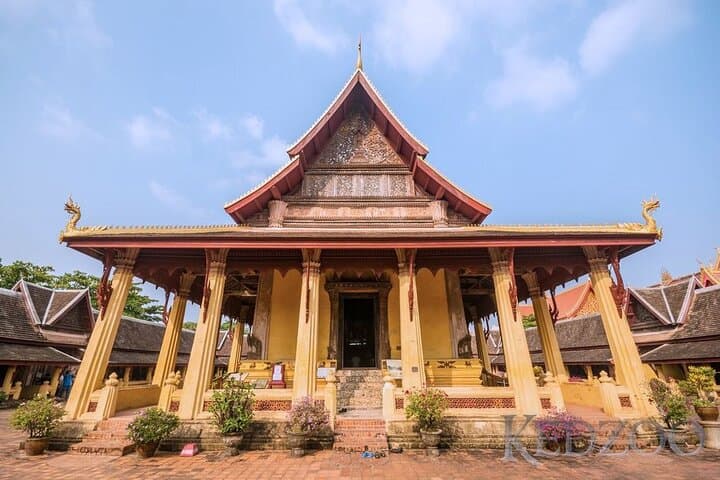
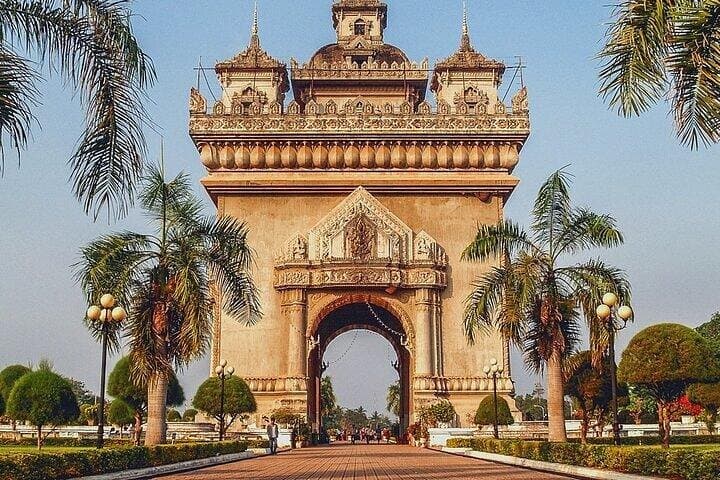
The route reads like a primer on Lao identity. Wat Sisaket survives an 1828 Siamese sack and houses thousands of seated Buddhas; its wooden galleries creak with age and the smell of incense. Pha That Luang, the national stupa, is both religious focus and symbol of nationhood — its gold leaf repairs tell stories of colonial-era decline and modern restoration. Patuxay’s arched concrete rises with a hint of Paris, a 20th-century civic statement built from the echoes of French rule. The day ends at Xieng Khuan (Buddha Park), a riverside compound of concrete sculptures by mystic-artist Luang Pu Bunleua Sulilat that blends Hindu and Buddhist forms into surreal, walkable monuments.
Practically: expect 7–8 hours with hotel pickup, light walking on paved and compacted surfaces, and guided entry to all sites; lunch at a local restaurant highlights Lao dishes like larb and sticky rice. Temple dress codes require covered shoulders and knees, and midday temperatures are often high—carry water, sun protection and respectful behavior around worshippers. Bring cash for small purchases and modest offerings, and plan for brief drives between dispersed sites. The tour suits travelers wanting cultural context delivered at an easy pace, with enough downtime to observe riverside life and the city’s quieter rhythms.