THE ADVENTURE COLLECTIVE® · Independent discovery and booking for outdoor travel

Spend a full day moving from bustling markets to gilded stupas in Vientiane. This guided tuk‑tuk tour bundles local food, history at the COPE Centre and panoramic views from Patuxay into one efficient city loop.
Spend a full day moving from bustling markets to gilded stupas in Vientiane. This guided tuk‑tuk tour bundles local food, history at the COPE Centre and panoramic views from Patuxay into one efficient city loop.
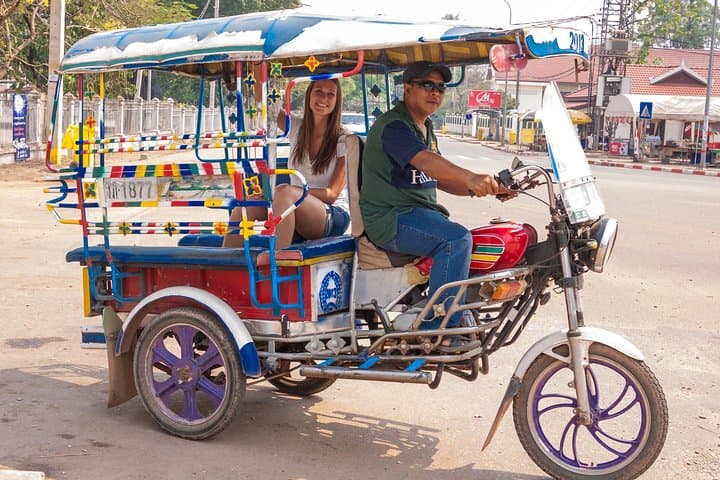
Morning light falls across the Mekong and Vientiane’s wide boulevards as a tuk‑tuk pulls away from a market alive with shouting vendors and pungent herbs. You move from noisy stalls to the quiet of gilded temples, climbing Patuxay’s terraces for a citywide view where the river cuts a slow, deliberate line — as if daring you to slow down and notice.
Verified experiences and guided adventures in the surrounding area.
Operated by BCFamilyTour.com · Vientiane, Vientiane Prefecture
Morning light falls across the Mekong and Vientiane’s wide boulevards as a tuk‑tuk pulls away from a market alive with shouting vendors and pungent herbs. You move from noisy stalls to the quiet of gilded temples, climbing Patuxay’s terraces for a citywide view where the river cuts a slow, deliberate line — as if daring you to slow down and notice.
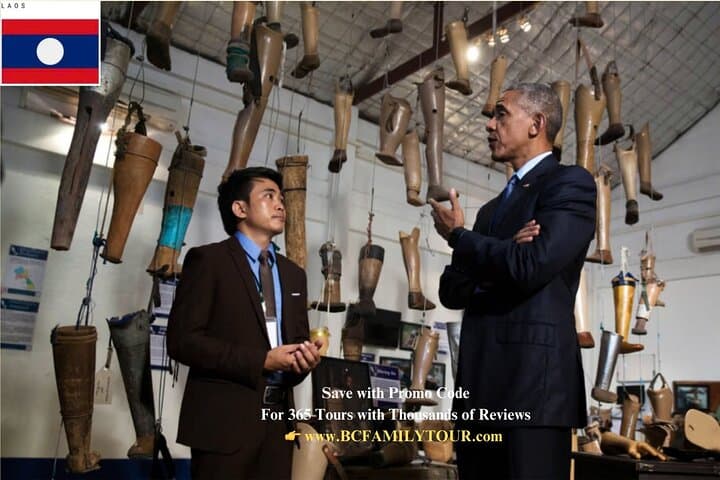
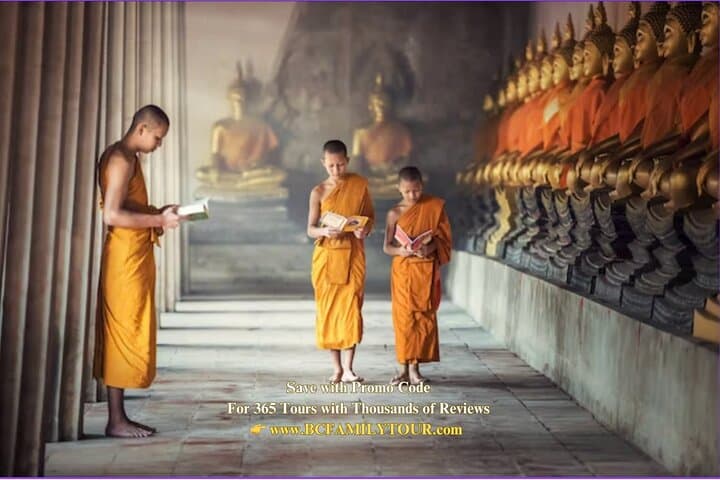
Vientiane’s streets reflect centuries of trade, French colonial planning and Lao royal tradition. Pha That Luang, the gilded national stupa, anchors the city’s spiritual life; its layered architecture echoes Lao Buddhist cosmology. Nearby, Wat Si Muang blends community ritual with everyday commerce, while the COPE Visitor Centre offers a sober account of Laos’ modern history and wartime legacy.
Geology is subtle here: the Mekong’s floodplain shaped settlement and rice cultivation, while laterite soils supported early brickwork. Cultural threads — markets, food stalls, and temple offerings — remain central to civic identity.
Practical guidance: this is a full‑day, low‑impact urban walk with multiple short stops and tuk‑tuk transfers. Expect dusty streets, steep temple steps and humid air during the day; bring sun protection, light footwear and a respectful outfit for sacred sites (shoulders and knees covered). Start early to avoid midday heat, keep a reusable water bottle, and leave time to linger at the market for local snacks. Guides commonly include bottled water and lunch; small-group tours mean conversational access to local insights. For travelers who want history, street food and compact sightseeing in one day, this Vientiane loop is efficient, enlightening and straightforward.
easy.
6–8 hours.
Suitable for most fitness levels; requires walking on paved and uneven surfaces and climbing temple steps.
Yes—hotel or central Vientiane city center pick‑up and drop‑off are included, typically between 7:45–8:15 am.
The tour commonly covers guided visits and lunch; check the specific booking whether temple donations or special exhibitions are included.
Yes—this is an easy, low‑impact day suitable for most ages; the operator notes it’s suitable for all fitness levels but there are steps at temples.
Tours are offered with English‑speaking guides; for other languages check availability when booking.
Vientiane’s layout reflects French colonial planning layered over centuries of Lao monarchy; Pha That Luang has been rebuilt multiple times and is central to national identity.
The Mekong’s health is critical to local livelihoods; small‑scale tourism supports markets and crafts, and visitors are encouraged to reduce plastic use and respect temple grounds.
BCFamilyTour.com operates guided outdoor trips and adventures with an emphasis on safety, stewardship, and memorable experiences.
Morning light falls across the Mekong and Vientiane’s wide boulevards as a tuk‑tuk pulls away from a market alive with shouting vendors and pungent herbs. You move from noisy stalls to the quiet of gilded temples, climbing Patuxay’s terraces for a citywide view where the river cuts a slow, deliberate line — as if daring you to slow down and notice.
Morning light falls across the Mekong and Vientiane’s wide boulevards as a tuk‑tuk pulls away from a market alive with shouting vendors and pungent herbs. You move from noisy stalls to the quiet of gilded temples, climbing Patuxay’s terraces for a citywide view where the river cuts a slow, deliberate line — as if daring you to slow down and notice.
Vientiane’s streets reflect centuries of trade, French colonial planning and Lao royal tradition. Pha That Luang, the gilded national stupa, anchors the city’s spiritual life; its layered architecture echoes Lao Buddhist cosmology. Nearby, Wat Si Muang blends community ritual with everyday commerce, while the COPE Visitor Centre offers a sober account of Laos’ modern history and wartime legacy.
Geology is subtle here: the Mekong’s floodplain shaped settlement and rice cultivation, while laterite soils supported early brickwork. Cultural threads — markets, food stalls, and temple offerings — remain central to civic identity.
Practical guidance: this is a full‑day, low‑impact urban walk with multiple short stops and tuk‑tuk transfers. Expect dusty streets, steep temple steps and humid air during the day; bring sun protection, light footwear and a respectful outfit for sacred sites (shoulders and knees covered). Start early to avoid midday heat, keep a reusable water bottle, and leave time to linger at the market for local snacks. Guides commonly include bottled water and lunch; small-group tours mean conversational access to local insights. For travelers who want history, street food and compact sightseeing in one day, this Vientiane loop is efficient, enlightening and straightforward.