THE ADVENTURE COLLECTIVE® · Independent discovery and booking for outdoor travel

Descend beneath Vienna’s historic center to explore private cellars, medieval vaults, and WWII shelters on a guided two-hour walk. Expect stairs, low ceilings, cool air and vivid stories that connect the city's surface to its hidden past.
Descend beneath Vienna’s historic center to explore private cellars, medieval vaults, and WWII shelters on a guided two-hour walk. Expect stairs, low ceilings, cool air and vivid stories that connect the city's surface to its hidden past.
You step off the bright ring road and into a cool, dim corridor where the city's breath feels older and slower. Stone vaults close around you, alleys above trading voices for echoes; the light from a guide's lamp slices the air and the walls answer in low, measured tones.
Verified experiences and guided adventures in the surrounding area.
Operated by Wien mal anders · Vienna, Vienna
You step off the bright ring road and into a cool, dim corridor where the city's breath feels older and slower. Stone vaults close around you, alleys above trading voices for echoes; the light from a guide's lamp slices the air and the walls answer in low, measured tones.
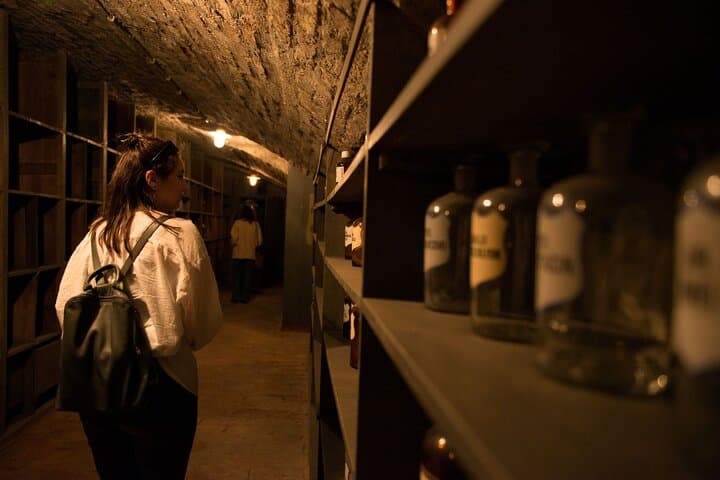
Beneath Vienna's Innere Stadt lies a patchwork of masonry: medieval storage vaults, wine cellars that kept merchants' goods dry, and reinforced air-raid shelters from the 20th century. The tour moves through two to three private, normally inaccessible basements, each revealing uses that shift with the city — from commerce to refuge.
Geology here is less raw rock than built fabric: brick and stone vaults anchored into compacted river sediments, tied to the rhythms of the Danube’s plain. Culturally the cellars reflect Viennese practicality — places repurposed across centuries to store wine, house craftsmen, or shelter civilians during wartime. Guides frame the sites with archival photos and human stories, connecting visible scars to larger historical currents.
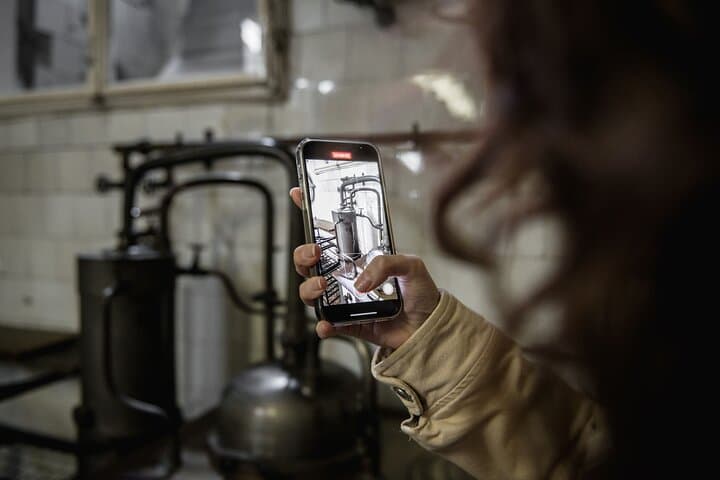
Practical notes: expect stairs, low ceilings, and uneven flagstones; the tour lasts about two hours and accommodates small groups (up to ~24). Wear closed-toe shoes and a warm layer — underground temperatures stay cool year-round. Photography is usually allowed but be mindful of fragile surfaces and bat roosts in older spaces. The route is rewarding for history-minded travelers who prefer compact, sensory-rich walks over broad vistas. This is urban exploration with a practical edge: learn the city's hidden infrastructure while moving carefully through spaces that have kept Vienna’s quieter histories intact.
moderate.
2 hours.
Moderate: participants should be able to negotiate several flights of stairs and stand/walk for the tour length.
Most underground cellars visited have stairs and low ceilings and are not wheelchair accessible; contact the operator in advance to confirm accessibility options.
A moderate level of fitness is required: participants should be able to climb multiple flights of stairs and stand for long periods during the two-hour tour.
Language availability varies by operator and schedule; check the booking page for specific language options or request accommodations when booking.
For a full refund cancel at least 24 hours before the scheduled departure; cancellations within 24 hours are generally non-refundable.
Vienna’s subterranean network grew from medieval storage vaults and Roman-era infrastructure into reinforced WWII air-raid shelters; many cellars were repurposed repeatedly across centuries.
Tours are kept small and guides stress minimal impact—avoid touching masonry, do not litter, and respect any wildlife (especially bats) to protect fragile underground habitats.
Wien mal anders operates guided outdoor trips and adventures with an emphasis on safety, stewardship, and memorable experiences.
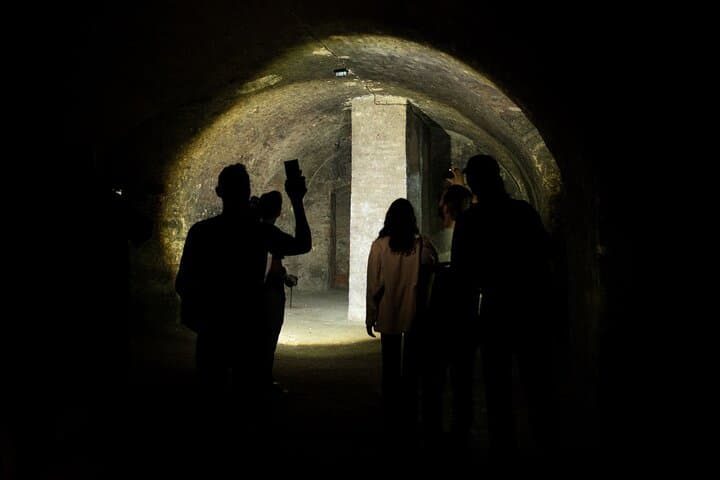
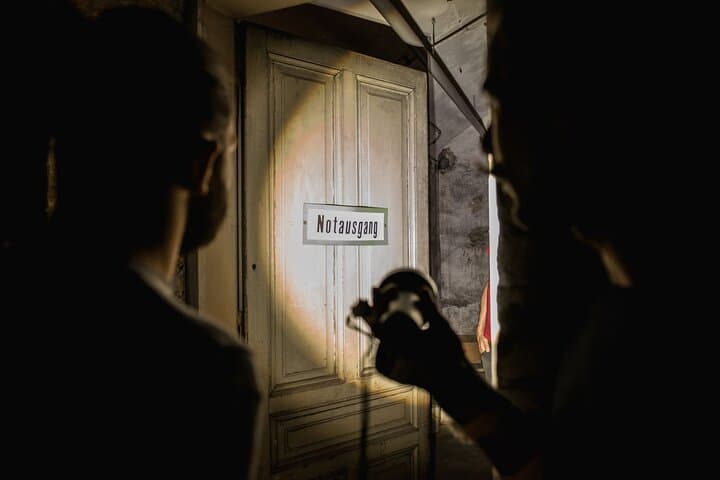
You step off the bright ring road and into a cool, dim corridor where the city's breath feels older and slower. Stone vaults close around you, alleys above trading voices for echoes; the light from a guide's lamp slices the air and the walls answer in low, measured tones.
You step off the bright ring road and into a cool, dim corridor where the city's breath feels older and slower. Stone vaults close around you, alleys above trading voices for echoes; the light from a guide's lamp slices the air and the walls answer in low, measured tones.
Beneath Vienna's Innere Stadt lies a patchwork of masonry: medieval storage vaults, wine cellars that kept merchants' goods dry, and reinforced air-raid shelters from the 20th century. The tour moves through two to three private, normally inaccessible basements, each revealing uses that shift with the city — from commerce to refuge.
Geology here is less raw rock than built fabric: brick and stone vaults anchored into compacted river sediments, tied to the rhythms of the Danube’s plain. Culturally the cellars reflect Viennese practicality — places repurposed across centuries to store wine, house craftsmen, or shelter civilians during wartime. Guides frame the sites with archival photos and human stories, connecting visible scars to larger historical currents.
Practical notes: expect stairs, low ceilings, and uneven flagstones; the tour lasts about two hours and accommodates small groups (up to ~24). Wear closed-toe shoes and a warm layer — underground temperatures stay cool year-round. Photography is usually allowed but be mindful of fragile surfaces and bat roosts in older spaces. The route is rewarding for history-minded travelers who prefer compact, sensory-rich walks over broad vistas. This is urban exploration with a practical edge: learn the city's hidden infrastructure while moving carefully through spaces that have kept Vienna’s quieter histories intact.