THE ADVENTURE COLLECTIVE® · Independent discovery and booking for outdoor travel

A private, full‑day transfer from Vienna gives you three hours to explore Salzburg’s UNESCO Altstadt, Mozart’s birthplace, and Hohensalzburg Fortress. This guide outlines what to expect and how to make the most of a brief but rich visit.
A private, full‑day transfer from Vienna gives you three hours to explore Salzburg’s UNESCO Altstadt, Mozart’s birthplace, and Hohensalzburg Fortress. This guide outlines what to expect and how to make the most of a brief but rich visit.
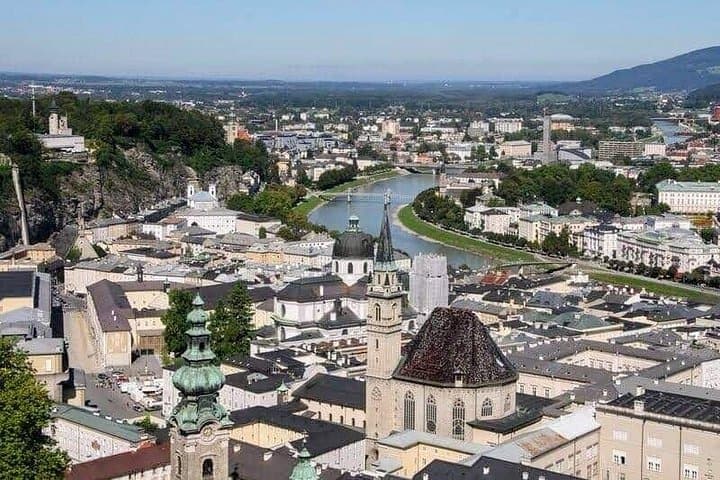
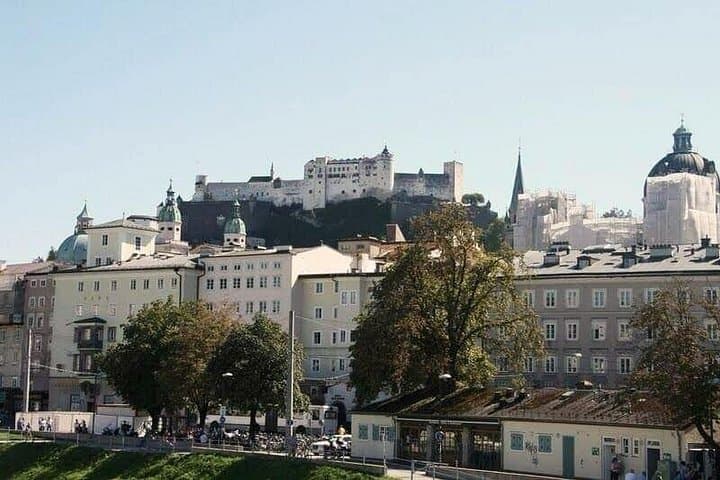
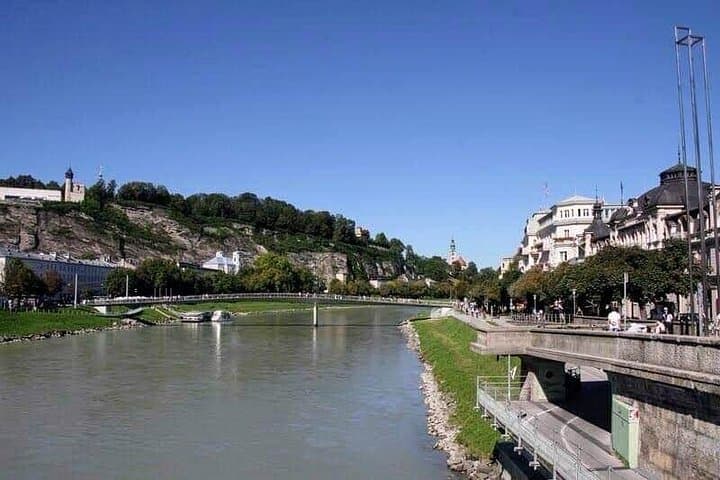
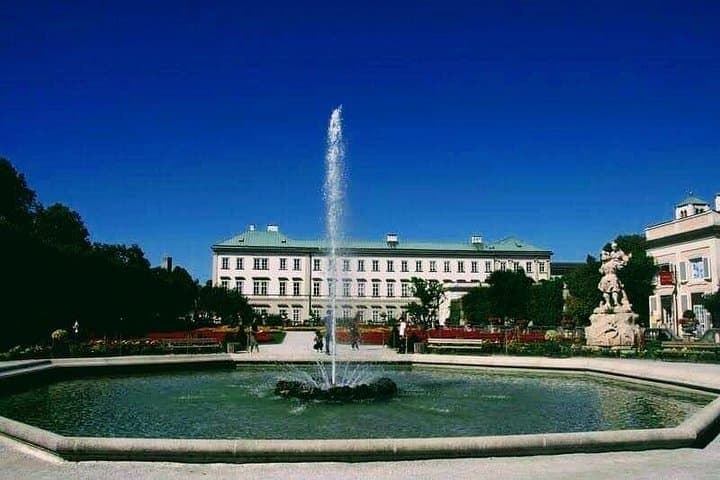
A private vehicle eases out of Vienna’s morning traffic and onto the open A1 — fields and low foothills slide past the windows while the driver navigates steadily toward Salzburg. By the time the fortress looms above the Salzach, the city’s compact Old Town feels immediate: narrow lanes, baroque façades and church bells marking time. The river dares visitors to cross its bridges and take the left-bank walk toward the cathedral.
Verified experiences and guided adventures in the surrounding area.
Operated by St Travelhighlights · Salzburg, Salzburg
A private vehicle eases out of Vienna’s morning traffic and onto the open A1 — fields and low foothills slide past the windows while the driver navigates steadily toward Salzburg. By the time the fortress looms above the Salzach, the city’s compact Old Town feels immediate: narrow lanes, baroque façades and church bells marking time. The river dares visitors to cross its bridges and take the left-bank walk toward the cathedral.
Salzburg’s core is historically dense. The Altstadt is a UNESCO World Heritage Site; Salzburg Cathedral (rebuilt 1614–1628) and Hohensalzburg Fortress (origins in the 11th century) frame a city that grew around ecclesiastical power and later gave the world Mozart, born here in 1756. Local culture remains tangible — from the original sweet bite of Mozartkugeln to café counters where Austro-Bavarian pastries are practiced craft.
Practically, the tour gives roughly three hours on foot to see key sights: Getreidegasse and Mozart’s birthplace, the cathedral, and views from the fortress hill if time allows. Expect cobbled streets and stair climbs; entrances to museums and the fortress usually require separate tickets. The full excursion runs about 9–10 hours including transfers, so travelers should plan for a long day, bring layered clothing, and carry cards or small euros for purchases. The trip suits travelers after a focused introduction to Salzburg rather than an in-depth exploration; it’s efficient transport plus time to walk, photograph and sample local flavors before returning to Vienna.
easy.
9–10 hours.
Light fitness required — mostly walking on paved surfaces and some stairs; comfortable for most travelers.
No — the tour stop provides time to visit but entrance fees and museum tickets are usually paid on site unless otherwise specified.
Expect roughly three hours of driving each way depending on traffic; the full door‑to‑door excursion runs about 9–10 hours including the Salzburg stop.
Infants and small children can ride in a pram or stroller, but cobbled streets and steps may limit mobility once in the Old Town.
The service typically provides a private driver; guided commentary may be limited — plan to explore the city independently or prearrange a licensed guide if you want structured narration.
Salzburg’s Old Town is a UNESCO World Heritage site shaped by archbishopric power; Mozart was born here in 1756 and his legacy remains central to the city’s cultural identity.
The Old Town’s protected status encourages low‑impact tourism — stick to marked paths, avoid littering, and support local cafés and shops to keep heritage buildings maintained.
St Travelhighlights operates guided outdoor trips and adventures with an emphasis on safety, stewardship, and memorable experiences.
A private vehicle eases out of Vienna’s morning traffic and onto the open A1 — fields and low foothills slide past the windows while the driver navigates steadily toward Salzburg. By the time the fortress looms above the Salzach, the city’s compact Old Town feels immediate: narrow lanes, baroque façades and church bells marking time. The river dares visitors to cross its bridges and take the left-bank walk toward the cathedral.
A private vehicle eases out of Vienna’s morning traffic and onto the open A1 — fields and low foothills slide past the windows while the driver navigates steadily toward Salzburg. By the time the fortress looms above the Salzach, the city’s compact Old Town feels immediate: narrow lanes, baroque façades and church bells marking time. The river dares visitors to cross its bridges and take the left-bank walk toward the cathedral.
Salzburg’s core is historically dense. The Altstadt is a UNESCO World Heritage Site; Salzburg Cathedral (rebuilt 1614–1628) and Hohensalzburg Fortress (origins in the 11th century) frame a city that grew around ecclesiastical power and later gave the world Mozart, born here in 1756. Local culture remains tangible — from the original sweet bite of Mozartkugeln to café counters where Austro-Bavarian pastries are practiced craft.
Practically, the tour gives roughly three hours on foot to see key sights: Getreidegasse and Mozart’s birthplace, the cathedral, and views from the fortress hill if time allows. Expect cobbled streets and stair climbs; entrances to museums and the fortress usually require separate tickets. The full excursion runs about 9–10 hours including transfers, so travelers should plan for a long day, bring layered clothing, and carry cards or small euros for purchases. The trip suits travelers after a focused introduction to Salzburg rather than an in-depth exploration; it’s efficient transport plus time to walk, photograph and sample local flavors before returning to Vienna.