THE ADVENTURE COLLECTIVE® · Independent discovery and booking for outdoor travel

From Vienna, this private day tour pairs a reflective guided visit to Mauthausen Concentration Camp with the cavernous history of Altaussee Salt Mine. Ideal for history-minded travelers who want context, comfort, and a full day of guided interpretation.
From Vienna, this private day tour pairs a reflective guided visit to Mauthausen Concentration Camp with the cavernous history of Altaussee Salt Mine. Ideal for history-minded travelers who want context, comfort, and a full day of guided interpretation.
The day opens on a quiet Viennese morning as your vehicle slips out of the city and the landscape shifts from ring-road buildings to river valleys and rising limestone faces. Trees thin, the Danube widens, and the road threads toward Mauthausen: a place where the land itself seems to hold memory. The guided visit here is deliberate and restrained — somber architecture, long lines of bunkers and quarries that insist you slow your steps and your breath.
Verified experiences and guided adventures in the surrounding area.
Operated by Cozy Travel · Vienna, Vienna
The day opens on a quiet Viennese morning as your vehicle slips out of the city and the landscape shifts from ring-road buildings to river valleys and rising limestone faces. Trees thin, the Danube widens, and the road threads toward Mauthausen: a place where the land itself seems to hold memory. The guided visit here is deliberate and restrained — somber architecture, long lines of bunkers and quarries that insist you slow your steps and your breath.
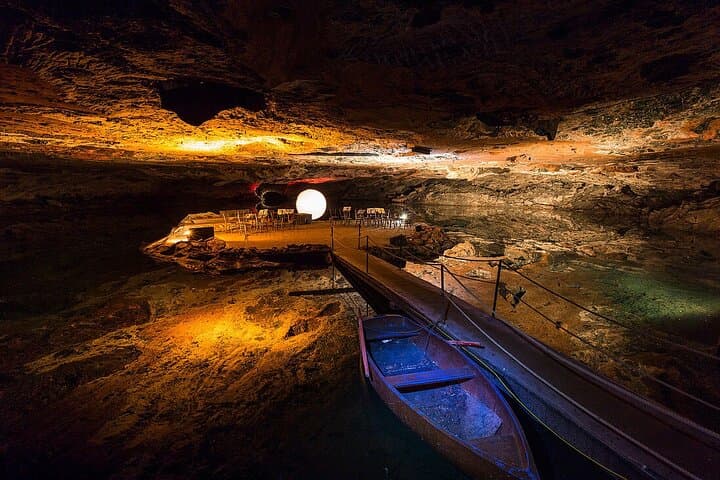
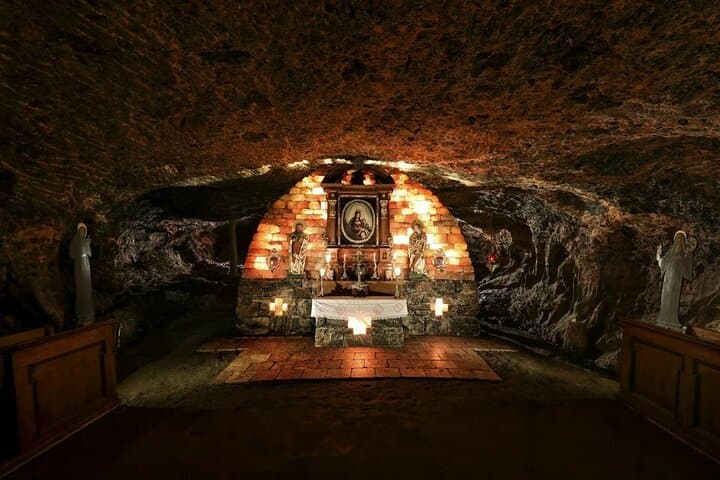
Mauthausen is one of Austria’s most important WWII memorials; the camp’s granite quarry and surrounding topography were central to its operation. Later the route climbs into the Salzkammergut, a region shaped by glacial troughs and Triassic salt deposits — Altaussee’s salt mine cuts into white, crystalline seams that have fed industry and folklore for centuries.
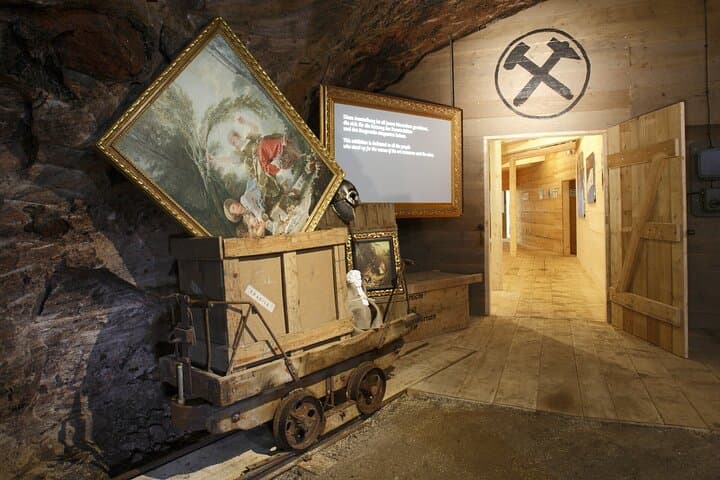
Culturally, the day pairs civic remembrance with the curious, almost secretive atmosphere of the salt caverns, which sheltered looted art during the war and were later the subject of allied recovery efforts.
Practical guidance: expect roughly 10–11 hours door-to-door from Vienna, with two-hour guided segments at Mauthausen and the Salzwelten Altaussee. Both sites have uneven ground and stairs; the mine tour includes damp, cool passages. Dress in layers, bring respectful silence for the memorial, and allow time for reflection and questions with your guide. Plan for minimal food stops on-site; keep hydration and a light snack on hand. The day balances heavy history with quiet alpine geology — emotionally demanding but deeply informative.
easy.
10–11 hours.
Suitable for most fitness levels; participants should be able to walk short distances and navigate stairs.
The site is educational but emotionally intense; guardians should judge based on maturity and consider discussing the subject matter beforehand.
Yes — admission to Salzwelten Altaussee is included in the tour package according to the itinerary.
The memorial has some accessible areas, but uneven terrain and steps at both sites limit full accessibility; contact the operator to discuss specific needs.
Pickup from Vienna hotels is included; for a full refund, cancel at least 24 hours before departure per the stated policy.
Mauthausen was a major WWII concentration camp complex; Altaussee’s salt caverns later became a secret store for art looted during the war and were the focus of allied recovery efforts.
Both sites emphasize preservation—stay on marked paths, obey memorial signage, and support onsite museums to help maintain archives and exhibits.
Cozy Travel operates guided outdoor trips and adventures with an emphasis on safety, stewardship, and memorable experiences.
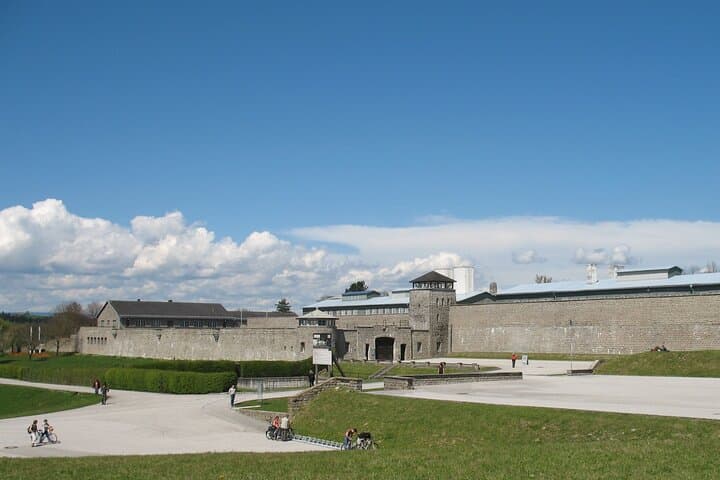
The day opens on a quiet Viennese morning as your vehicle slips out of the city and the landscape shifts from ring-road buildings to river valleys and rising limestone faces. Trees thin, the Danube widens, and the road threads toward Mauthausen: a place where the land itself seems to hold memory. The guided visit here is deliberate and restrained — somber architecture, long lines of bunkers and quarries that insist you slow your steps and your breath.
The day opens on a quiet Viennese morning as your vehicle slips out of the city and the landscape shifts from ring-road buildings to river valleys and rising limestone faces. Trees thin, the Danube widens, and the road threads toward Mauthausen: a place where the land itself seems to hold memory. The guided visit here is deliberate and restrained — somber architecture, long lines of bunkers and quarries that insist you slow your steps and your breath.
Mauthausen is one of Austria’s most important WWII memorials; the camp’s granite quarry and surrounding topography were central to its operation. Later the route climbs into the Salzkammergut, a region shaped by glacial troughs and Triassic salt deposits — Altaussee’s salt mine cuts into white, crystalline seams that have fed industry and folklore for centuries.
Culturally, the day pairs civic remembrance with the curious, almost secretive atmosphere of the salt caverns, which sheltered looted art during the war and were later the subject of allied recovery efforts.
Practical guidance: expect roughly 10–11 hours door-to-door from Vienna, with two-hour guided segments at Mauthausen and the Salzwelten Altaussee. Both sites have uneven ground and stairs; the mine tour includes damp, cool passages. Dress in layers, bring respectful silence for the memorial, and allow time for reflection and questions with your guide. Plan for minimal food stops on-site; keep hydration and a light snack on hand. The day balances heavy history with quiet alpine geology — emotionally demanding but deeply informative.