THE ADVENTURE COLLECTIVE® · Independent discovery and booking for outdoor travel

Cover three of Austria’s most photographed destinations—Melk Abbey, Hallstatt and Salzburg—in a single private day trip from Vienna. Expect guided walks, private transport and long scenic drives along the Danube and alpine lakes.
Cover three of Austria’s most photographed destinations—Melk Abbey, Hallstatt and Salzburg—in a single private day trip from Vienna. Expect guided walks, private transport and long scenic drives along the Danube and alpine lakes.
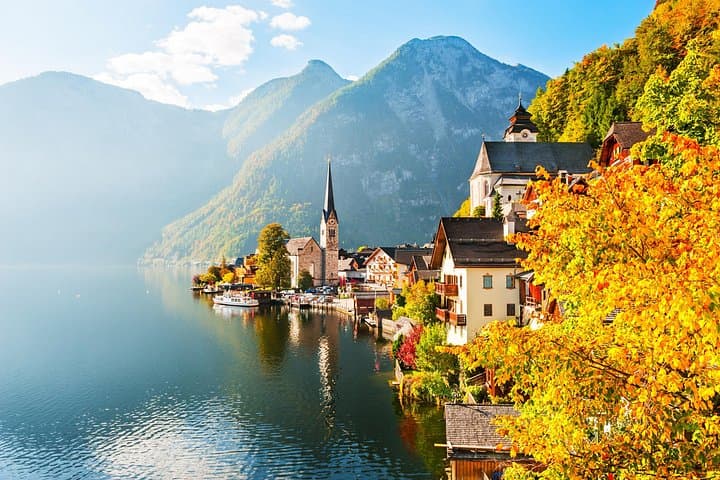
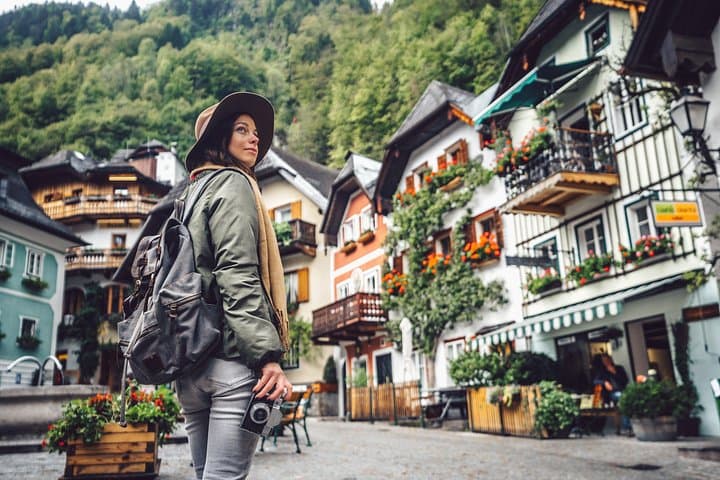
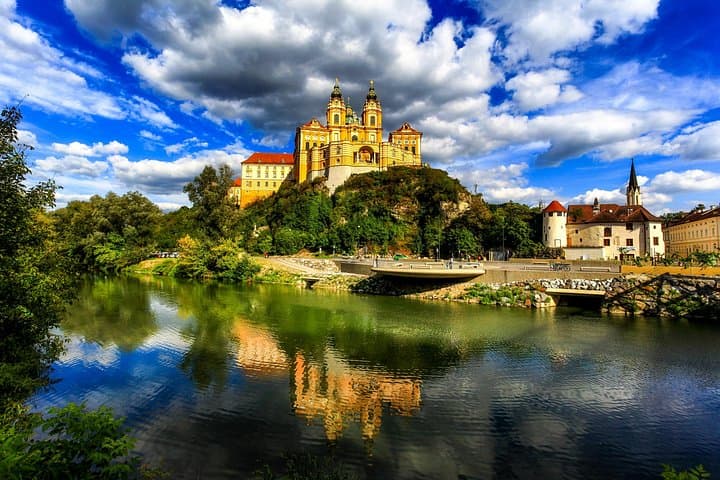
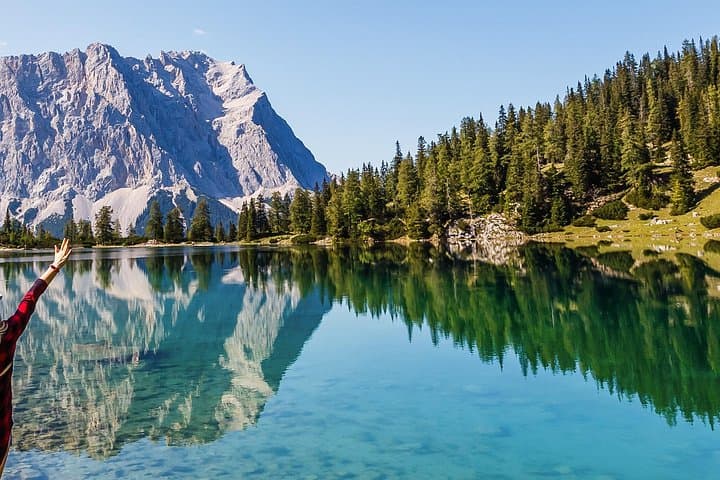
You leave Vienna before dawn and the city loosens its grip: ribboned vineyards and the Danube’s silver line unspool as the car threads into Lower Austria’s hills. By mid-morning the rooflines of Melk Abbey rise above the river, a baroque crown perched on limestone; later, Hallstatt’s spray-fresh lake air and sheer cliffs frame a village that still remembers salt as its first fortune. By evening, Salzburg’s compact Old Town folds into the Alps’ shadow and the music in its streets feels like a living echo.
Verified experiences and guided adventures in the surrounding area.
Operated by Rosotravel - Vienna Tours · Vienna, Vienna
You leave Vienna before dawn and the city loosens its grip: ribboned vineyards and the Danube’s silver line unspool as the car threads into Lower Austria’s hills. By mid-morning the rooflines of Melk Abbey rise above the river, a baroque crown perched on limestone; later, Hallstatt’s spray-fresh lake air and sheer cliffs frame a village that still remembers salt as its first fortune. By evening, Salzburg’s compact Old Town folds into the Alps’ shadow and the music in its streets feels like a living echo.
This route stitches together history and geology — the medieval saltworks that built Hallstatt, the Benedictine power and 18th-century remodelling of Melk Abbey, and Salzburg’s baroque urbanism and musical legacy. The region’s limestone ranges were carved by ice and river; terraces and vineyards cling to gentler slopes, while waterfalls and narrow valleys reveal how water keeps shaping these places.
Expect guided walking tours (Melk Abbey, Hallstatt viewpoints, two-hour Salzburg highlights), private car transport and optional local dining with lake views. Accessibility is strong: wheelchair-friendly transport and many flat surfaces in towns, though Hallstatt’s steep lanes and stairs require care. The day is long — plan on 12–14 hours including transfers — so pace hydration and footwear accordingly.
Practical: bring layered clothing for lakeside breezes, a compact rain shell, and a small daypack. Book the table reservation in Hallstatt if you want uninterrupted lake views at lunch. Travel light, time your photos for early or late light, and let your guide steer you to the best viewpoints and historical context.
easy.
14 hours.
Suitable for travelers in normal walking condition; must be able to handle several short walks and stairs.
The full-day private trip runs about 12–14 hours depending on traffic and the option chosen; expect to return to Vienna in the evening.
Entrance to Melk Abbey is included; other site admissions and optional activities depend on the chosen tour option—check your booking details.
Transport and many town areas are wheelchair accessible, but Hallstatt has steep lanes and some stairs that may limit access—discuss needs when booking.
There are two options: a one-day private trip with guide in Melk and Salzburg, or a fully guided day with an on-board guide; private scheduling requests can often be accommodated—confirm when booking.
Hallstatt’s salt mining dates back to prehistoric times and gave its name to the Iron Age ‘Hallstatt culture’; Melk Abbey was rebuilt into a Baroque showpiece in the 18th century.
These sites face seasonal crowd pressure; stick to marked paths, avoid drone use in protected zones and support local businesses to keep tourism sustainable.
Rosotravel - Vienna Tours operates guided outdoor trips and adventures with an emphasis on safety, stewardship, and memorable experiences.
You leave Vienna before dawn and the city loosens its grip: ribboned vineyards and the Danube’s silver line unspool as the car threads into Lower Austria’s hills. By mid-morning the rooflines of Melk Abbey rise above the river, a baroque crown perched on limestone; later, Hallstatt’s spray-fresh lake air and sheer cliffs frame a village that still remembers salt as its first fortune. By evening, Salzburg’s compact Old Town folds into the Alps’ shadow and the music in its streets feels like a living echo.
You leave Vienna before dawn and the city loosens its grip: ribboned vineyards and the Danube’s silver line unspool as the car threads into Lower Austria’s hills. By mid-morning the rooflines of Melk Abbey rise above the river, a baroque crown perched on limestone; later, Hallstatt’s spray-fresh lake air and sheer cliffs frame a village that still remembers salt as its first fortune. By evening, Salzburg’s compact Old Town folds into the Alps’ shadow and the music in its streets feels like a living echo.
This route stitches together history and geology — the medieval saltworks that built Hallstatt, the Benedictine power and 18th-century remodelling of Melk Abbey, and Salzburg’s baroque urbanism and musical legacy. The region’s limestone ranges were carved by ice and river; terraces and vineyards cling to gentler slopes, while waterfalls and narrow valleys reveal how water keeps shaping these places.
Expect guided walking tours (Melk Abbey, Hallstatt viewpoints, two-hour Salzburg highlights), private car transport and optional local dining with lake views. Accessibility is strong: wheelchair-friendly transport and many flat surfaces in towns, though Hallstatt’s steep lanes and stairs require care. The day is long — plan on 12–14 hours including transfers — so pace hydration and footwear accordingly.
Practical: bring layered clothing for lakeside breezes, a compact rain shell, and a small daypack. Book the table reservation in Hallstatt if you want uninterrupted lake views at lunch. Travel light, time your photos for early or late light, and let your guide steer you to the best viewpoints and historical context.