THE ADVENTURE COLLECTIVE® · Independent discovery and booking for outdoor travel

Walk the tree-lined avenues of Victorian Flatbush to see one of the nation’s largest collections of late-19th-century single-family homes. This two-hour guided tour from Beverley Road moves through Ditmas Park and nearby historic districts, blending architectural detail with neighborhood life.
Walk the tree-lined avenues of Victorian Flatbush to see one of the nation’s largest collections of late-19th-century single-family homes. This two-hour guided tour from Beverley Road moves through Ditmas Park and nearby historic districts, blending architectural detail with neighborhood life.
You step off the Q train at Beverley Road into a pocket of Brooklyn where front porches and stained-glass windows still set the pace. The air smells faintly of baking bread and cut grass; maples and London plane trees arch overhead while a row of shingled Victorian houses stares back, each with a different story carved into its cornices.
Verified experiences and guided adventures in the surrounding area.
Operated by Custom NYC Tours · Brooklyn, New York
You step off the Q train at Beverley Road into a pocket of Brooklyn where front porches and stained-glass windows still set the pace. The air smells faintly of baking bread and cut grass; maples and London plane trees arch overhead while a row of shingled Victorian houses stares back, each with a different story carved into its cornices.
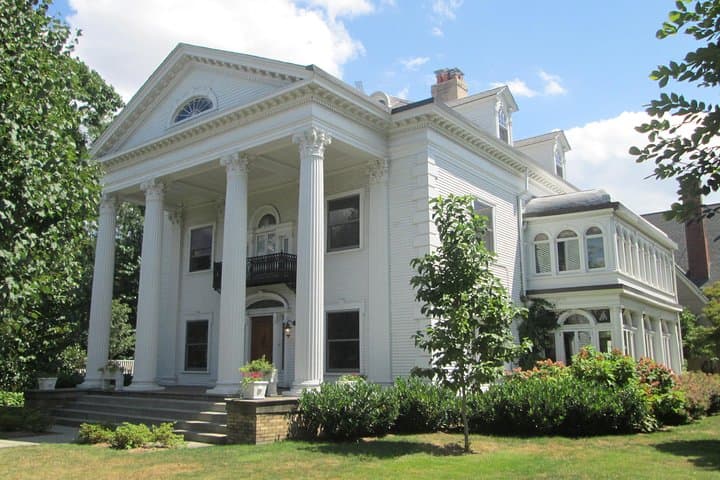
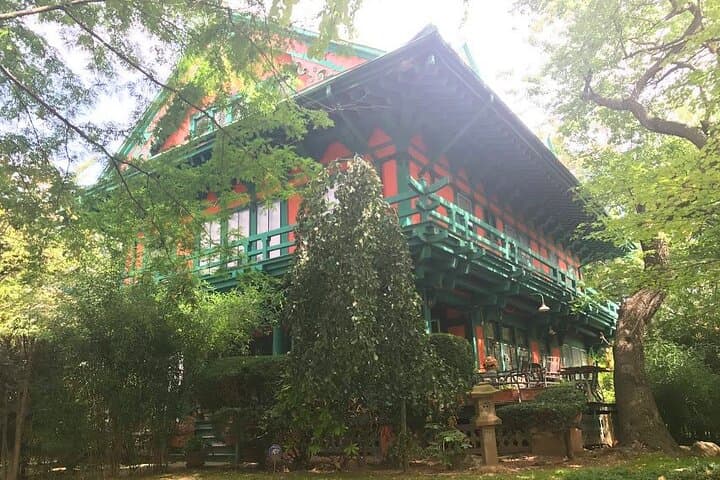
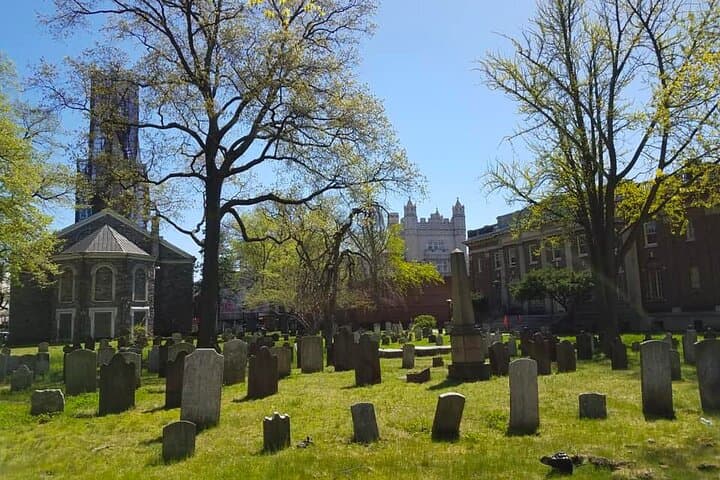
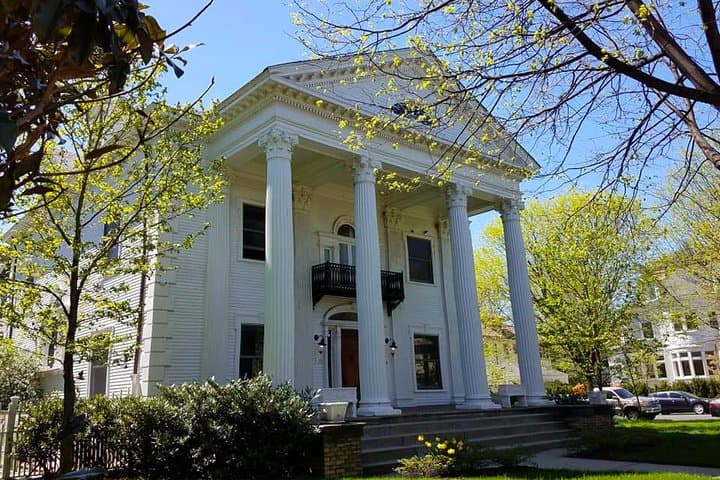
Victorian Flatbush grew in the late 19th century as a suburban alternative to downtown Brooklyn—an experiment in single-family home design that mixed Queen Anne, Colonial Revival, and shingle styles. The neighborhood sits on the Harbor Hill glacial moraine, its gently rolling streets a leftover of ancient ice. You’ll pass small historic districts, the venerable Flatbush Reformed Dutch Church (roots traced to 1654), and the private tennis lanes that hint at the area’s turn-of-the-century social life.
Locals today blend long-term residents with newer arrivals; Cortelyou Road’s cafés and bakeries make a strong case for lingering after the tour. The guide points out architectural details—turrets, turned balusters, stained glass—and explains preservation efforts that keep facades intact while interiors modernize.
Practical notes: the tour is about two hours and moderately paced on mostly paved streets with occasional curbs and short inclines. Wear comfortable walking shoes, bring water and an OMNY/MetroCard for transit, and plan for changing weather—there’s limited shade in spots. Photographs are welcome, but private yards are not public property; observe signage and residents’ privacy. Morning or late-afternoon walks catch softer light on the facades and quieter streets, making the neighborhood’s architecture easier to appreciate.
moderate.
2 hours.
Suitable for people who can walk 2 hours at a steady pace on city sidewalks; light hills and curbs involved.
The tour meets outside Beverley Rd station (Q line) at 1512 Beverley Rd and ends on Cortelyou Road near several restaurants and cafés.
Infants and small children can use strollers, but expect curbs and occasional uneven pavement—bring a sturdy stroller for cobbled walkways.
No—this is a walking tour with a professional guide; any food or paid entries are at your own expense.
Full refunds are available if you cancel at least 24 hours before the scheduled departure; tours may be canceled for bad weather.
Victorian Flatbush was developed in the late 1800s as a suburban enclave of single-family homes featuring Queen Anne and Colonial Revival styles; sites like the Flatbush Reformed Dutch Church trace the neighborhood’s roots to the 17th century.
Multiple small historic districts and local preservation groups work to protect façade details and streetscape character; visitors should respect private property and support local businesses.
Custom NYC Tours operates guided outdoor trips and adventures with an emphasis on safety, stewardship, and memorable experiences.
You step off the Q train at Beverley Road into a pocket of Brooklyn where front porches and stained-glass windows still set the pace. The air smells faintly of baking bread and cut grass; maples and London plane trees arch overhead while a row of shingled Victorian houses stares back, each with a different story carved into its cornices.
You step off the Q train at Beverley Road into a pocket of Brooklyn where front porches and stained-glass windows still set the pace. The air smells faintly of baking bread and cut grass; maples and London plane trees arch overhead while a row of shingled Victorian houses stares back, each with a different story carved into its cornices.
Victorian Flatbush grew in the late 19th century as a suburban alternative to downtown Brooklyn—an experiment in single-family home design that mixed Queen Anne, Colonial Revival, and shingle styles. The neighborhood sits on the Harbor Hill glacial moraine, its gently rolling streets a leftover of ancient ice. You’ll pass small historic districts, the venerable Flatbush Reformed Dutch Church (roots traced to 1654), and the private tennis lanes that hint at the area’s turn-of-the-century social life.
Locals today blend long-term residents with newer arrivals; Cortelyou Road’s cafés and bakeries make a strong case for lingering after the tour. The guide points out architectural details—turrets, turned balusters, stained glass—and explains preservation efforts that keep facades intact while interiors modernize.
Practical notes: the tour is about two hours and moderately paced on mostly paved streets with occasional curbs and short inclines. Wear comfortable walking shoes, bring water and an OMNY/MetroCard for transit, and plan for changing weather—there’s limited shade in spots. Photographs are welcome, but private yards are not public property; observe signage and residents’ privacy. Morning or late-afternoon walks catch softer light on the facades and quieter streets, making the neighborhood’s architecture easier to appreciate.