THE ADVENTURE COLLECTIVE® · Independent discovery and booking for outdoor travel

Walk the rainforest rim of Victoria Falls on the Zimbabwe side and feel the spray of the Zambezi as it plunges into the gorge. This guided, accessible tour pairs dramatic viewpoints with local history and the ancient Big Tree baobab.
Walk the rainforest rim of Victoria Falls on the Zimbabwe side and feel the spray of the Zambezi as it plunges into the gorge. This guided, accessible tour pairs dramatic viewpoints with local history and the ancient Big Tree baobab.
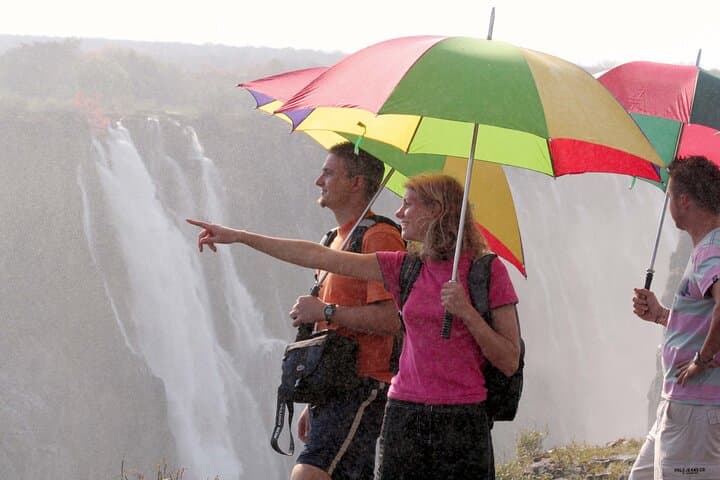
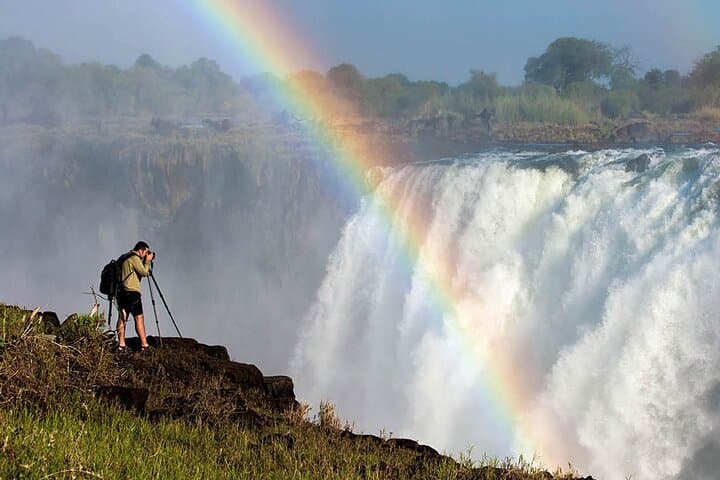
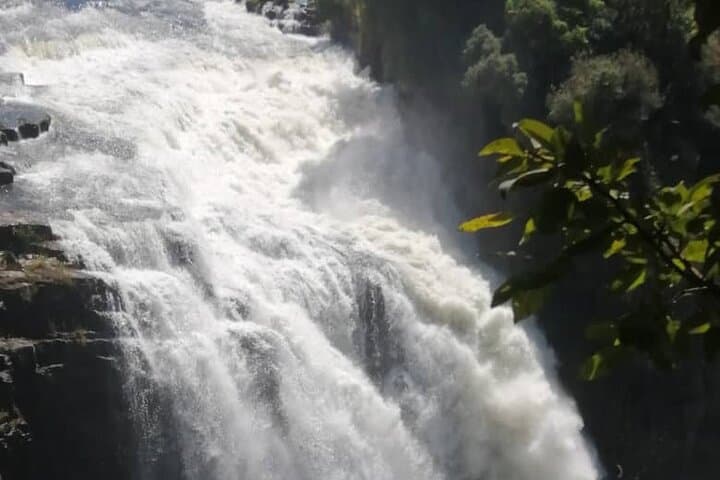
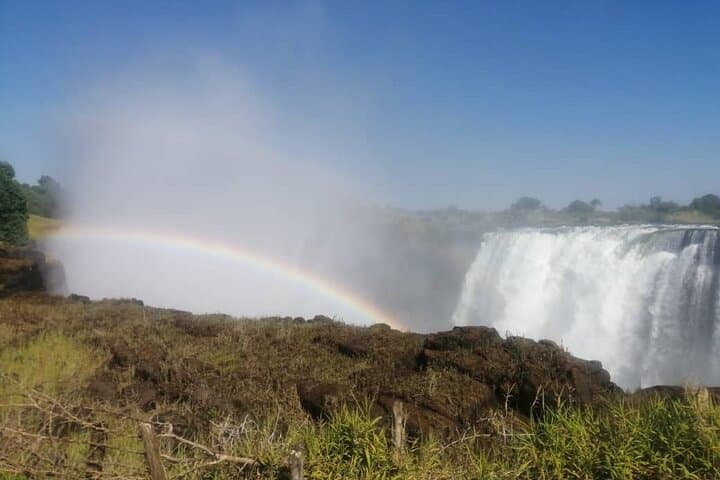
You step onto a damp path and the air changes: spray rides the wind and the ground sings with distant thunder. On the Zimbabwe side of Victoria Falls the rainforest clings to the cliff edge, leaves beaded with mist while the main cataract roars beyond the trees. Guides lead small groups along paved viewing platforms that angle toward the curtain of falling water, where every viewpoint frames a new slice of the chasm.
Verified experiences and guided adventures in the surrounding area.
Operated by Zuri Safaris · Victoria Falls, Matabeleland North
You step onto a damp path and the air changes: spray rides the wind and the ground sings with distant thunder. On the Zimbabwe side of Victoria Falls the rainforest clings to the cliff edge, leaves beaded with mist while the main cataract roars beyond the trees. Guides lead small groups along paved viewing platforms that angle toward the curtain of falling water, where every viewpoint frames a new slice of the chasm.
European explorers baptized the site “Victoria Falls” in 1855, but the Tonga name Mosi-oa-Tunya — “The Smoke That Thunders” — is the older claim. The basalt and dolerite bedrock here was carved by the Zambezi over millennia, creating gorges, plunge pools and the series of cataracts visible from Zimbabwe’s vantage points. Cultural life in the neighbouring town of Victoria Falls mixes safari logistics and crafts markets; local guides often point out colonial-era walkways, the thousand-year-old Big Tree baobab, and the river’s seasonal moods.
Expect a 2–3 hour, low-impact excursion: paved trails, steps, and several elevated platforms with railings. The rainforest trail can be slippery; bring a lightweight rain shell and secure camera gear. Early morning or late afternoon visits give softer light and fewer crowds. Respect barriers, avoid stray paths to protect fragile vegetation, and leave no trace—this protected site relies on responsible visitation.
Practical details: wheelchair-accessible sections exist but some viewpoints require stairs. Tickets and a local guide are standard; bottled water and an air‑conditioned transfer are often included. The experience balances raw power with close-range viewpoints—ideal for travelers seeking dramatic scenery without a strenuous trek.
easy.
2–3 hours.
Suitable for most fitness levels; minimal walking on paved but sometimes steep paths
There are wheelchair‑accessible sections and paved viewing platforms, but some viewpoints require stairs—check with the operator about accessibility for specific viewpoints.
Not always—many operators include entrance fees, but confirm at booking whether the Victoria Falls national park fee is covered.
The typical guided visit on the Zimbabwe side lasts about 2–3 hours and includes multiple viewpoints and the Big Tree stop.
No—swimming in the plunge pools at the edge is dangerous; the famous Livingstone Island swim is on the Zambian side and requires separate arrangements and safety checks.
David Livingstone was among the first Europeans to publicize the falls; indigenous Tonga and Lozi people call it Mosi-oa-Tunya, ‘The Smoke That Thunders.’
Victoria Falls is a UNESCO World Heritage Site with sensitive rainforest habitat—stay on trails, minimise noise, and avoid single-use plastics to reduce visitor impact.
Zuri Safaris operates guided outdoor trips and adventures with an emphasis on safety, stewardship, and memorable experiences.
You step onto a damp path and the air changes: spray rides the wind and the ground sings with distant thunder. On the Zimbabwe side of Victoria Falls the rainforest clings to the cliff edge, leaves beaded with mist while the main cataract roars beyond the trees. Guides lead small groups along paved viewing platforms that angle toward the curtain of falling water, where every viewpoint frames a new slice of the chasm.
You step onto a damp path and the air changes: spray rides the wind and the ground sings with distant thunder. On the Zimbabwe side of Victoria Falls the rainforest clings to the cliff edge, leaves beaded with mist while the main cataract roars beyond the trees. Guides lead small groups along paved viewing platforms that angle toward the curtain of falling water, where every viewpoint frames a new slice of the chasm.
European explorers baptized the site “Victoria Falls” in 1855, but the Tonga name Mosi-oa-Tunya — “The Smoke That Thunders” — is the older claim. The basalt and dolerite bedrock here was carved by the Zambezi over millennia, creating gorges, plunge pools and the series of cataracts visible from Zimbabwe’s vantage points. Cultural life in the neighbouring town of Victoria Falls mixes safari logistics and crafts markets; local guides often point out colonial-era walkways, the thousand-year-old Big Tree baobab, and the river’s seasonal moods.
Expect a 2–3 hour, low-impact excursion: paved trails, steps, and several elevated platforms with railings. The rainforest trail can be slippery; bring a lightweight rain shell and secure camera gear. Early morning or late afternoon visits give softer light and fewer crowds. Respect barriers, avoid stray paths to protect fragile vegetation, and leave no trace—this protected site relies on responsible visitation.
Practical details: wheelchair-accessible sections exist but some viewpoints require stairs. Tickets and a local guide are standard; bottled water and an air‑conditioned transfer are often included. The experience balances raw power with close-range viewpoints—ideal for travelers seeking dramatic scenery without a strenuous trek.