THE ADVENTURE COLLECTIVE® · Independent discovery and booking for outdoor travel

Walk the rainforest rim of Victoria Falls with a certified local guide and feel the mist, hear the roar, and learn the geology and culture behind Mosi-oa-Tunya. This three-hour, 3 km route takes you to classic viewpoints and into the spray zone for unforgettable perspectives.
Walk the rainforest rim of Victoria Falls with a certified local guide and feel the mist, hear the roar, and learn the geology and culture behind Mosi-oa-Tunya. This three-hour, 3 km route takes you to classic viewpoints and into the spray zone for unforgettable perspectives.
The path begins with the roar: a low, patient drum that grows into a hammer. You step into the rainforest trail as mist veils the day, guide at your shoulder pointing out rock scars and the sudden flash of a sunbird. The walk covers roughly 3 km across established paths and viewing platforms, moving from broad river terraces into the spray zone where the air itself seems to move you forward.
Verified experiences and guided adventures in the surrounding area.
Operated by Anesu Travel and Tours · Victoria Falls, Matabeleland North
The path begins with the roar: a low, patient drum that grows into a hammer. You step into the rainforest trail as mist veils the day, guide at your shoulder pointing out rock scars and the sudden flash of a sunbird. The walk covers roughly 3 km across established paths and viewing platforms, moving from broad river terraces into the spray zone where the air itself seems to move you forward.
Geology here reads like a slow-motion collision — basalt ridges split by the Zambezi and scoured by millennia of flood. Local history is visible in place names and the scale of the falls: Mosi-oa-Tunya, “the smoke that thunders,” a name that predates colonial mapping and ties the falls to Tonga cultural landscapes and spiritual significance.
Wildlife is part of the choreography — vervet monkeys testing pockets, hornbills calling from fig trees, and the opportunistic buffalo tracks on outer trails. Guides add texture: colonial-era bridge history, how the gorge system formed, and practical local lore about seasonal flow.
Practical guidance is simple and strict. Wear sturdy, water-resistant shoes — surfaces are often wet and uneven. Bring a waterproof layer and protect electronics; the spray can soak you even on calm days. Aim for morning light to avoid crowds and see rainbows in the spray. Hydrate: bottled water is commonly provided, but carry a refillable bottle when possible. The three-hour route is accessible for most fitness levels, but be prepared for steps and short climbs on viewing platforms. Respect posted signs and wildlife distances — the falls command attention, and the landscape expects you to move thoughtfully through it.
easy.
2–3 hours.
Suitable for most fitness levels; requires steady walking and negotiating steps and wet surfaces
Yes — access to Victoria Falls National Park requires an entry fee; your tour typically coordinates park admission at the start of the walk.
The three-kilometre route is rated easy and is suitable for most ages, though there are wet surfaces and some steps; the tour notes wheelchair accessibility for certain sections.
Expect to get damp, especially in the spray zone; water-resistant clothing and protective covers for electronics are recommended.
Common sightings include birds, monkeys, and small mammals within the park; larger animals like elephants and buffalo are possible but less predictable near viewing areas.
Victoria Falls sits on basalt formed by ancient lava flows; the falls and gorge system were shaped by the Zambezi cutting through fissures over hundreds of thousands of years and hold cultural significance for Tonga communities.
Park authorities manage foot traffic and viewing platforms to limit erosion; visitors are asked to stay on paths, avoid single-use plastics, and follow guide instructions to protect fragile rainforest pockets.
Anesu Travel and Tours operates guided outdoor trips and adventures with an emphasis on safety, stewardship, and memorable experiences.
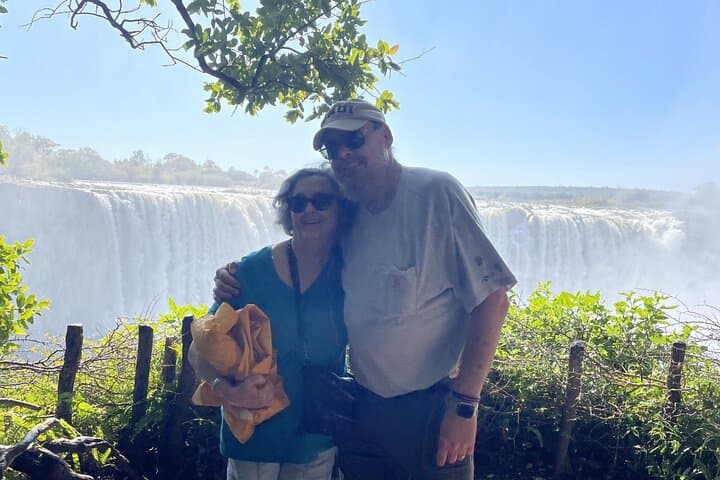
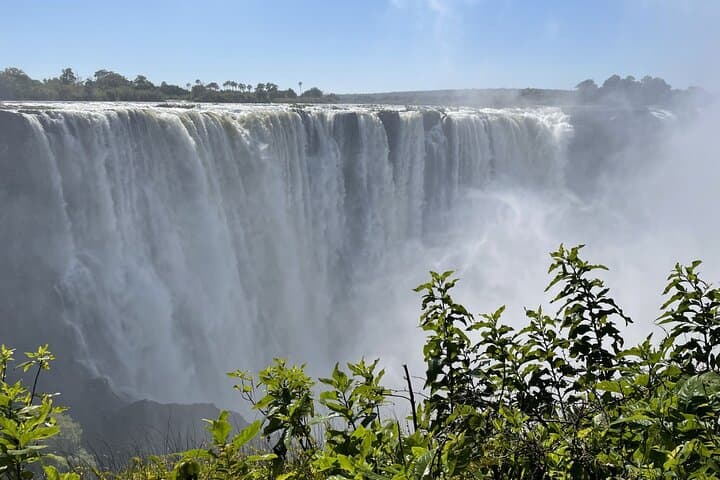
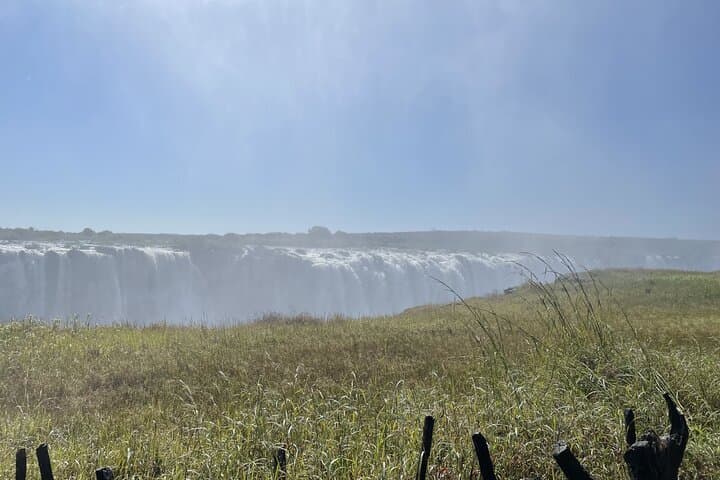
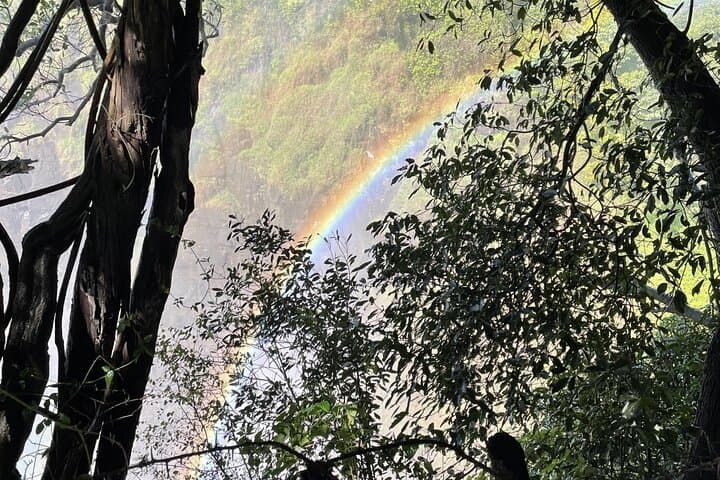
The path begins with the roar: a low, patient drum that grows into a hammer. You step into the rainforest trail as mist veils the day, guide at your shoulder pointing out rock scars and the sudden flash of a sunbird. The walk covers roughly 3 km across established paths and viewing platforms, moving from broad river terraces into the spray zone where the air itself seems to move you forward.
The path begins with the roar: a low, patient drum that grows into a hammer. You step into the rainforest trail as mist veils the day, guide at your shoulder pointing out rock scars and the sudden flash of a sunbird. The walk covers roughly 3 km across established paths and viewing platforms, moving from broad river terraces into the spray zone where the air itself seems to move you forward.
Geology here reads like a slow-motion collision — basalt ridges split by the Zambezi and scoured by millennia of flood. Local history is visible in place names and the scale of the falls: Mosi-oa-Tunya, “the smoke that thunders,” a name that predates colonial mapping and ties the falls to Tonga cultural landscapes and spiritual significance.
Wildlife is part of the choreography — vervet monkeys testing pockets, hornbills calling from fig trees, and the opportunistic buffalo tracks on outer trails. Guides add texture: colonial-era bridge history, how the gorge system formed, and practical local lore about seasonal flow.
Practical guidance is simple and strict. Wear sturdy, water-resistant shoes — surfaces are often wet and uneven. Bring a waterproof layer and protect electronics; the spray can soak you even on calm days. Aim for morning light to avoid crowds and see rainbows in the spray. Hydrate: bottled water is commonly provided, but carry a refillable bottle when possible. The three-hour route is accessible for most fitness levels, but be prepared for steps and short climbs on viewing platforms. Respect posted signs and wildlife distances — the falls command attention, and the landscape expects you to move thoughtfully through it.