THE ADVENTURE COLLECTIVE® · Independent discovery and booking for outdoor travel

Leave the main road for a three-hour guided walk into rural life near Victoria Falls—meet local families, try traditional foods, and learn how village fees support community needs. Expect short dirt paths, hands-on activities, and opportunities to buy handcrafted goods.
Leave the main road for a three-hour guided walk into rural life near Victoria Falls—meet local families, try traditional foods, and learn how village fees support community needs. Expect short dirt paths, hands-on activities, and opportunities to buy handcrafted goods.
Dust rises from a single-track road as your vehicle leaves Victoria Falls town; within 20 km the skyline shifts from tourist lodges to corrugated roofs and gardens where chickens weave between rows of cassava.
Verified experiences and guided adventures in the surrounding area.
Operated by ThisAndThat Safaris · Victoria Falls, Matabeleland North
Dust rises from a single-track road as your vehicle leaves Victoria Falls town; within 20 km the skyline shifts from tourist lodges to corrugated roofs and gardens where chickens weave between rows of cassava.
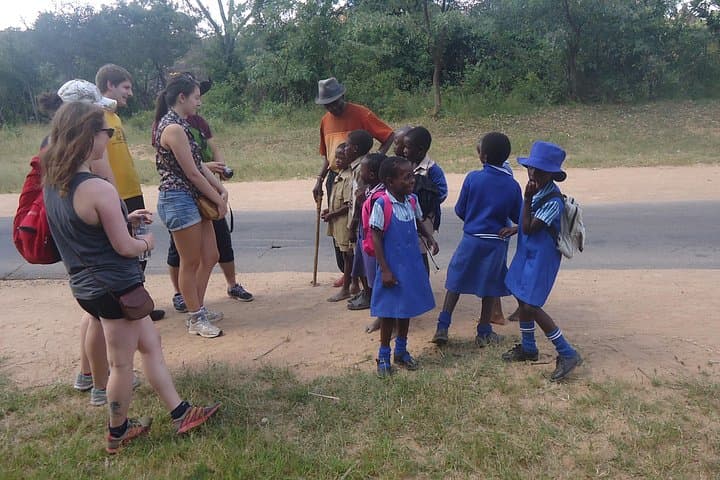
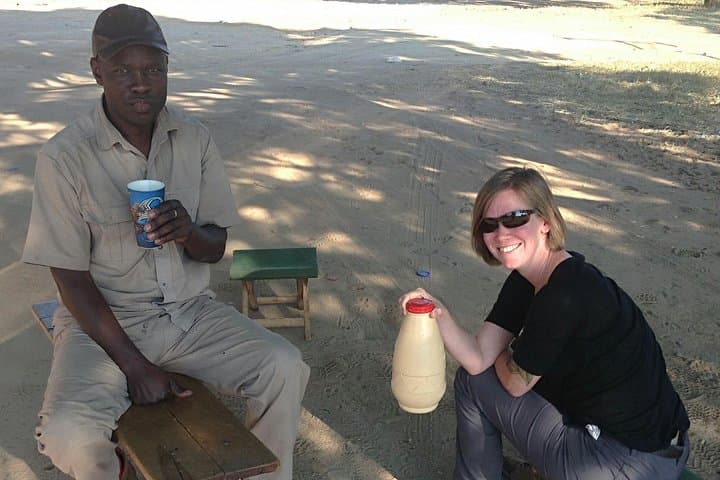
This three-hour village visit places you at the edge of daily rural life: women weaving baskets, men tending maize plots, and children practicing songs. Guides introduce you to household routines—carrying water in clay pots, testing a simple local porridge, even sampling home-brewed beer—while explaining how village fees are reinvested into community needs.
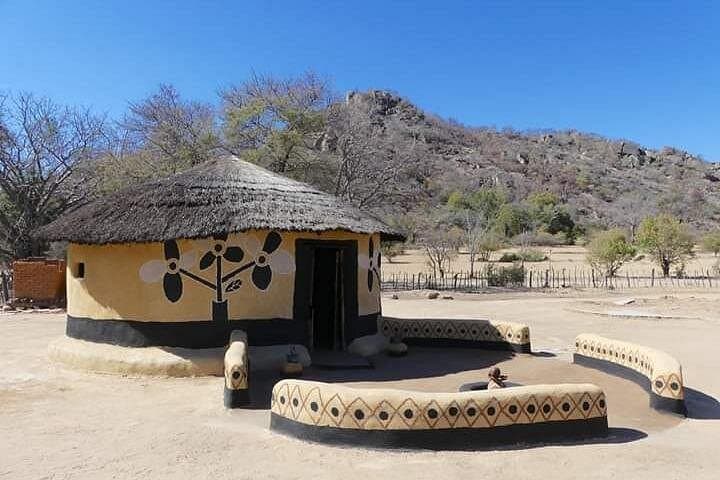
The landscape here is volcanic in origin: basalt flows carved long ago by the Zambezi have shaped the plateaus and shallow river channels that support subsistence farming. Cultural lines reflect long-standing groups in the region, including Tonga and Nambya communities, whose livelihoods and crafts have adapted around the river and the falls’ seasonal cycles.
Practical guidance matters: the tour is low-impact but active—expect short unpaved walks, uneven ground, and direct sun. Carry small-denomination Zimbabwean dollars or US cash for purchases and the mandatory village fee, wear closed-toe shoes for dirt paths, and bring insect repellent in the wet months. Morning visits are cooler and quieter; late afternoons bring stronger light and more social activity at home compounds.
This experience is less about sightseeing and more about respectful presence—listen, ask permission before photos, and be ready to trade stories. For travelers seeking a human-scale counterpoint to the roar of the falls, the village tour offers close-up cultural exchange paired with straightforward, practical preparation.
easy.
2–3 hours.
Light walking on uneven ground; suitable for most fitness levels but requires mobility for short distances and steps.
The tour is approximately three hours with gentle walking and stops to meet households and artisans; it’s paced for conversation rather than speed.
Photos are generally allowed but always ask permission first—some people decline and some moments are private or ceremonial.
Yes—it's low-impact but involves uneven ground; children should be supervised and travelers with mobility limits should advise the operator at booking.
Guides typically speak English and local languages; they act as cultural interpreters to explain practices and translate when needed.
Local communities have lived along the Zambezi for generations, adapting farming and craft traditions around seasonal floods and colonial-era disruptions.
Village fees collected on visits help fund local priorities; visitors should avoid leaving waste, respect farmland boundaries, and support crafts directly to ensure economic benefit.
ThisAndThat Safaris operates guided outdoor trips and adventures with an emphasis on safety, stewardship, and memorable experiences.
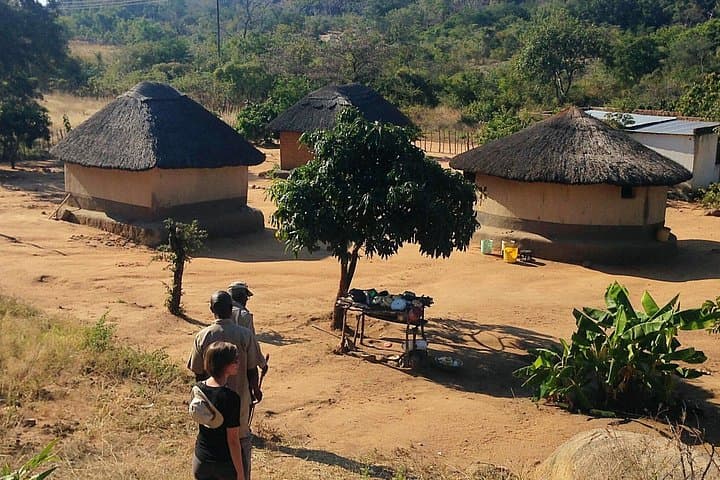
Dust rises from a single-track road as your vehicle leaves Victoria Falls town; within 20 km the skyline shifts from tourist lodges to corrugated roofs and gardens where chickens weave between rows of cassava.
Dust rises from a single-track road as your vehicle leaves Victoria Falls town; within 20 km the skyline shifts from tourist lodges to corrugated roofs and gardens where chickens weave between rows of cassava.
This three-hour village visit places you at the edge of daily rural life: women weaving baskets, men tending maize plots, and children practicing songs. Guides introduce you to household routines—carrying water in clay pots, testing a simple local porridge, even sampling home-brewed beer—while explaining how village fees are reinvested into community needs.
The landscape here is volcanic in origin: basalt flows carved long ago by the Zambezi have shaped the plateaus and shallow river channels that support subsistence farming. Cultural lines reflect long-standing groups in the region, including Tonga and Nambya communities, whose livelihoods and crafts have adapted around the river and the falls’ seasonal cycles.
Practical guidance matters: the tour is low-impact but active—expect short unpaved walks, uneven ground, and direct sun. Carry small-denomination Zimbabwean dollars or US cash for purchases and the mandatory village fee, wear closed-toe shoes for dirt paths, and bring insect repellent in the wet months. Morning visits are cooler and quieter; late afternoons bring stronger light and more social activity at home compounds.
This experience is less about sightseeing and more about respectful presence—listen, ask permission before photos, and be ready to trade stories. For travelers seeking a human-scale counterpoint to the roar of the falls, the village tour offers close-up cultural exchange paired with straightforward, practical preparation.