THE ADVENTURE COLLECTIVE® · Independent discovery and booking for outdoor travel

Walk within the spray of one of the planet’s great waterfalls on a private guided tour of Victoria Falls. Local guides explain the geology, history, and best photo angles while you move between dramatic viewpoints.
Walk within the spray of one of the planet’s great waterfalls on a private guided tour of Victoria Falls. Local guides explain the geology, history, and best photo angles while you move between dramatic viewpoints.
You step from the humid roadside air into a cloud of spray—Zambezi water roaring and throwing fine mist that dares you to come closer. The footpaths wind along precipices and viewpoints, each turn revealing another sheet of water, rainbows slicing through vapor, and basalt cliffs that frame the river’s exit from the gorge.
Verified experiences and guided adventures in the surrounding area.
Operated by Cuckoo Safaris · Victoria Falls, Matabeleland North
You step from the humid roadside air into a cloud of spray—Zambezi water roaring and throwing fine mist that dares you to come closer. The footpaths wind along precipices and viewpoints, each turn revealing another sheet of water, rainbows slicing through vapor, and basalt cliffs that frame the river’s exit from the gorge.
Victoria Falls sits where the Zambezi river meets a dramatic escarpment between Zimbabwe and Zambia. Formed on fractured basalt, the falls cut a jagged edge nearly 1,700 meters wide in places; the Zimbabwe-side walkways concentrate views across the main cataracts. Local guides bring oral histories — stories of indigenous reverence and early European exploration — and explain the geology that channels the river into narrow chutes and deep gorges.
Culturally, Victoria Falls Town grew as a gateway for river trade and now supports conservation-minded tourism; guides often point out bird colonies on cliff faces and seasonal changes in flow that shift the character of the site.
Practically, a private guided walking tour runs about three hours and covers paved and natural paths with frequent viewpoints. Expect steady mist, wet surfaces, and camera opportunities at dawn or late afternoon when light is best. Wheelchair-accessible sections exist, but ask about specific viewpoints ahead of time.
Bring a waterproof layer, slip-resistant shoes, and a camera with protection; hydrate before you arrive and let your guide pick the safest lines near edges. The experience is less about exertion and more about timing, light, and the sheer force of a river claiming its cliff—an elemental encounter best approached prepared.
easy.
3 hours.
Suitable for most fitness levels; requires walking on uneven, wet paths for up to a few kilometers.
The private guided tour runs approximately three hours and moves between multiple viewpoints on the Zimbabwe side of the falls.
There are wheelchair-accessible sections and the tour is described as easy, but some viewpoints involve steps and wet surfaces—confirm accessible route options when booking.
Yes—spray from the falls reaches many viewing platforms; raincoats are typically provided and waterproof footwear is recommended.
Absolutely—guides can position you for optimal light; bring a tripod or use a small travel tripod and protect it from moisture.
The falls were first recorded by Scottish explorer David Livingstone in 1855 and have long been significant to local Tonga communities; the site later became a colonial-era tourism hub.
High visitor numbers and the Zambezi’s seasonal variability create conservation challenges; stick to paths, avoid single-use plastics, and follow guide instructions to reduce erosion and disturbance.
Cuckoo Safaris operates guided outdoor trips and adventures with an emphasis on safety, stewardship, and memorable experiences.
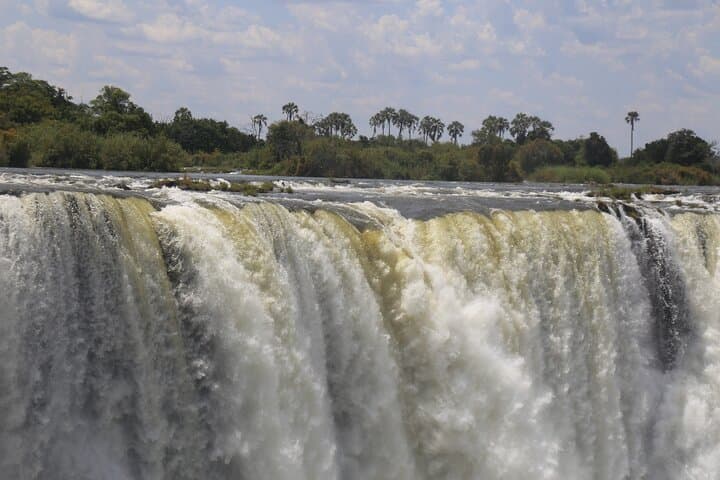
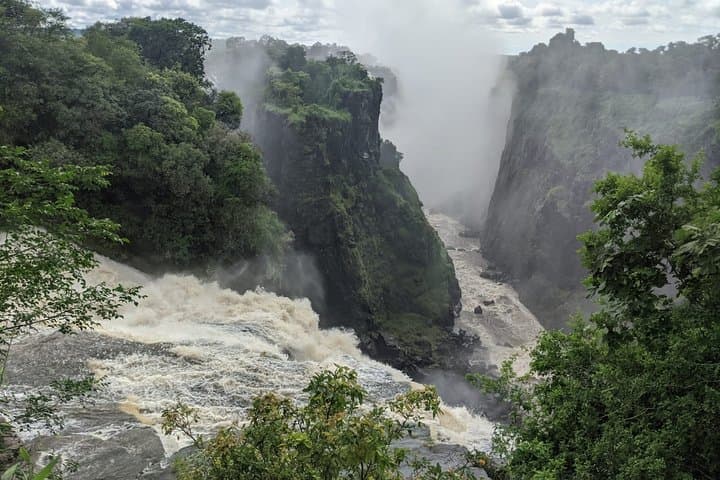
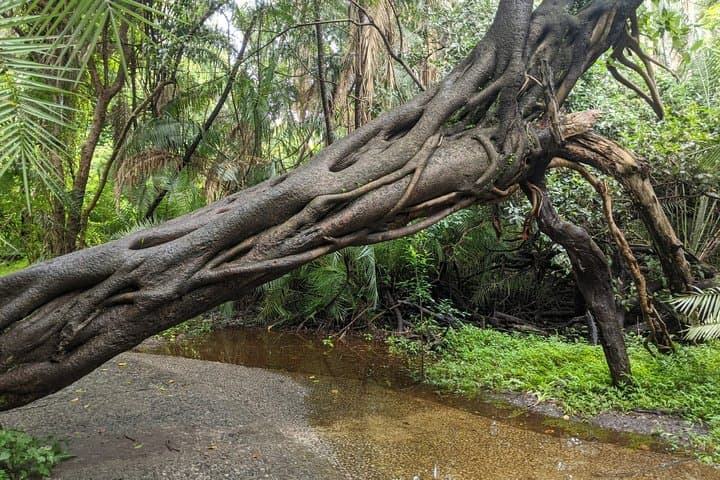
You step from the humid roadside air into a cloud of spray—Zambezi water roaring and throwing fine mist that dares you to come closer. The footpaths wind along precipices and viewpoints, each turn revealing another sheet of water, rainbows slicing through vapor, and basalt cliffs that frame the river’s exit from the gorge.
You step from the humid roadside air into a cloud of spray—Zambezi water roaring and throwing fine mist that dares you to come closer. The footpaths wind along precipices and viewpoints, each turn revealing another sheet of water, rainbows slicing through vapor, and basalt cliffs that frame the river’s exit from the gorge.
Victoria Falls sits where the Zambezi river meets a dramatic escarpment between Zimbabwe and Zambia. Formed on fractured basalt, the falls cut a jagged edge nearly 1,700 meters wide in places; the Zimbabwe-side walkways concentrate views across the main cataracts. Local guides bring oral histories — stories of indigenous reverence and early European exploration — and explain the geology that channels the river into narrow chutes and deep gorges.
Culturally, Victoria Falls Town grew as a gateway for river trade and now supports conservation-minded tourism; guides often point out bird colonies on cliff faces and seasonal changes in flow that shift the character of the site.
Practically, a private guided walking tour runs about three hours and covers paved and natural paths with frequent viewpoints. Expect steady mist, wet surfaces, and camera opportunities at dawn or late afternoon when light is best. Wheelchair-accessible sections exist, but ask about specific viewpoints ahead of time.
Bring a waterproof layer, slip-resistant shoes, and a camera with protection; hydrate before you arrive and let your guide pick the safest lines near edges. The experience is less about exertion and more about timing, light, and the sheer force of a river claiming its cliff—an elemental encounter best approached prepared.