THE ADVENTURE COLLECTIVE® · Independent discovery and booking for outdoor travel

Walk both the Zimbabwean and Zambian sides of Victoria Falls with a private guide who handles border formalities and points out geological and cultural highlights. This half-day cross-border tour pairs intimate spray-filled viewpoints with sweeping panoramas.
Walk both the Zimbabwean and Zambian sides of Victoria Falls with a private guide who handles border formalities and points out geological and cultural highlights. This half-day cross-border tour pairs intimate spray-filled viewpoints with sweeping panoramas.
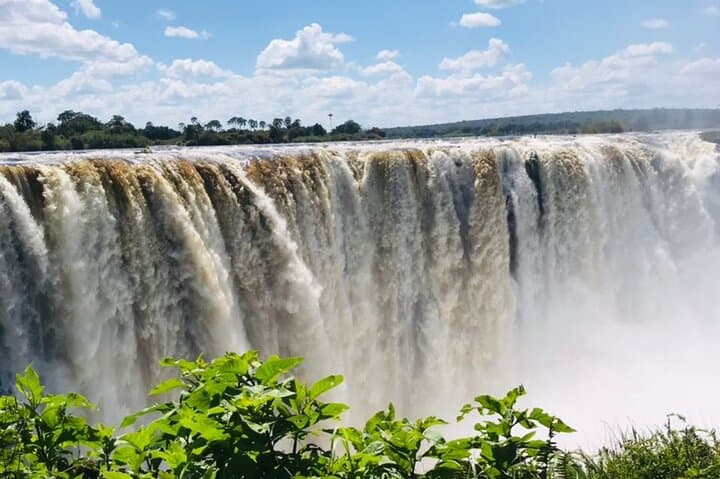
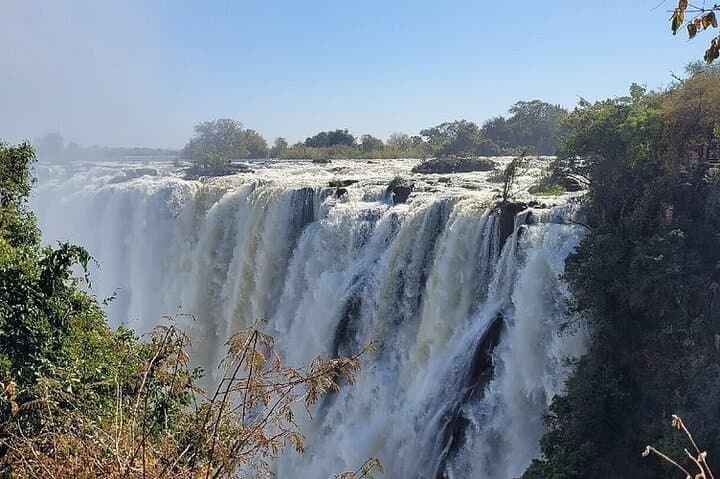
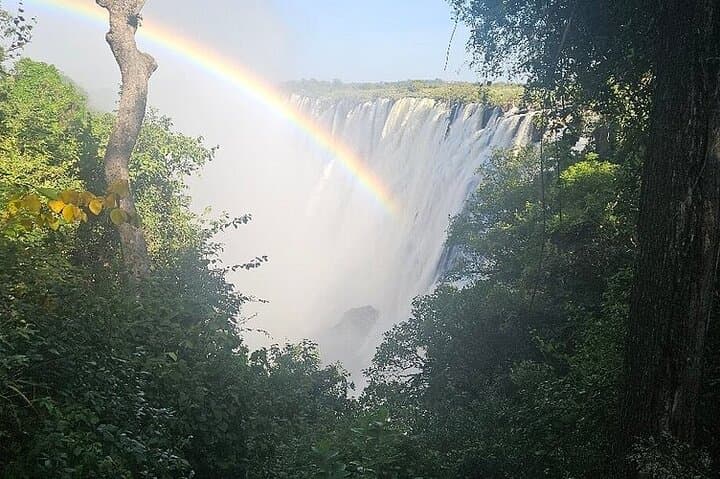
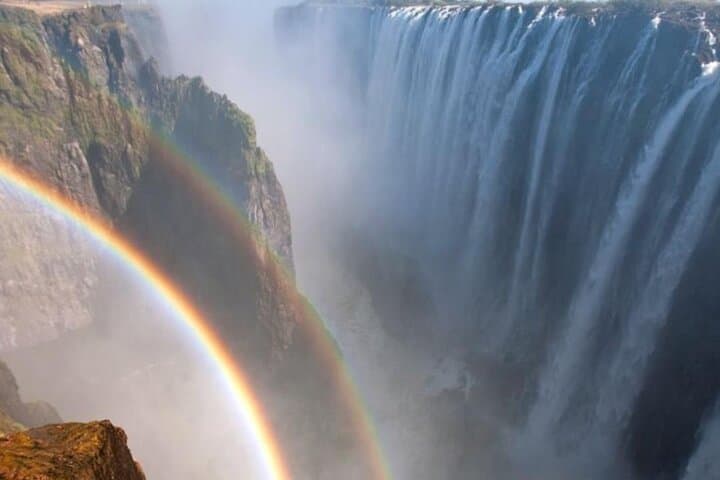
You step out of the vehicle and the air changes—cool, atomized mist rolling across your face as the Zambezi announces itself. Footpaths thread through a rain-fed microforest; leaves drip and birds call, while the falls’ thunder arrives before the view. On one side the curtain stretches vast and distant, on the other the spray is immediate, daring you closer.
Verified experiences and guided adventures in the surrounding area.
Operated by Akost Safaris · Victoria Falls, Matabeleland North
You step out of the vehicle and the air changes—cool, atomized mist rolling across your face as the Zambezi announces itself. Footpaths thread through a rain-fed microforest; leaves drip and birds call, while the falls’ thunder arrives before the view. On one side the curtain stretches vast and distant, on the other the spray is immediate, daring you closer.
Mosi-oa-Tunya—“The Smoke That Thunders”—has shaped this landscape for millennia. The basalt lip, carved by the Zambezi, drops more than 100 meters into the Batoka Gorge; the bridge built in 1905 stitches two nations and eras together. Local guides connect geology with cultural stories of river spirits and colonial-era exploration, and stop at landmarks like the ancient Baobab, known here as the Big Tree.
Expect a loop of well-maintained rainforest trails, stone viewpoints and short, often wet, boardwalks. The Zimbabwe side offers broad panoramas and interpretive plaques; the Zambian approach delivers knife-edge intimacy where mist and sound dominate. Guides handle border logistics and adapt route and pace to flow conditions—high water can submerge some viewpoints, low water reveals sculpted rock.
Practical tips: bring passport and copies, wear waterproof shoes and a light rain jacket, and protect electronics with a waterproof case. Plan 5–6 hours for both sides; mornings and late afternoons balance light and crowds. Respect marked paths, follow your guide’s instructions near slippery edges, and leave no trace—the falls are powerful, fragile and best experienced responsibly.
easy.
5–6 hours.
Suitable for most fitness levels; requires standing and short walks on wet, uneven paths and some stairs.
Visa requirements depend on nationality; check current entry rules and ensure your passport has sufficient validity—your guide can advise but you are responsible for visas.
Peak flow is during and after the rainy season (February–May) for maximum spray; late dry season (September–November) offers clearer views and photographic access to rock features.
Many viewpoints and transport options are wheelchair accessible, but access can vary by side and exact viewpoint—confirm specific needs with the operator when booking.
Yes—optional extras such as helicopter flights, Livingstone Island visits, or local lunches are often available; book in advance to secure spots and handle logistics.
The Victoria Falls Bridge (1905) and surrounding settlements reflect colonial-era engineering and trade routes; the falls have long cultural significance to local Tonga and Lozi peoples.
Victoria Falls is a UNESCO World Heritage Site; stay on marked paths, avoid single-use plastics, and be aware that upstream water use and dams can affect seasonal flow and habitat.
Akost Safaris operates guided outdoor trips and adventures with an emphasis on safety, stewardship, and memorable experiences.
You step out of the vehicle and the air changes—cool, atomized mist rolling across your face as the Zambezi announces itself. Footpaths thread through a rain-fed microforest; leaves drip and birds call, while the falls’ thunder arrives before the view. On one side the curtain stretches vast and distant, on the other the spray is immediate, daring you closer.
You step out of the vehicle and the air changes—cool, atomized mist rolling across your face as the Zambezi announces itself. Footpaths thread through a rain-fed microforest; leaves drip and birds call, while the falls’ thunder arrives before the view. On one side the curtain stretches vast and distant, on the other the spray is immediate, daring you closer.
Mosi-oa-Tunya—“The Smoke That Thunders”—has shaped this landscape for millennia. The basalt lip, carved by the Zambezi, drops more than 100 meters into the Batoka Gorge; the bridge built in 1905 stitches two nations and eras together. Local guides connect geology with cultural stories of river spirits and colonial-era exploration, and stop at landmarks like the ancient Baobab, known here as the Big Tree.
Expect a loop of well-maintained rainforest trails, stone viewpoints and short, often wet, boardwalks. The Zimbabwe side offers broad panoramas and interpretive plaques; the Zambian approach delivers knife-edge intimacy where mist and sound dominate. Guides handle border logistics and adapt route and pace to flow conditions—high water can submerge some viewpoints, low water reveals sculpted rock.
Practical tips: bring passport and copies, wear waterproof shoes and a light rain jacket, and protect electronics with a waterproof case. Plan 5–6 hours for both sides; mornings and late afternoons balance light and crowds. Respect marked paths, follow your guide’s instructions near slippery edges, and leave no trace—the falls are powerful, fragile and best experienced responsibly.