THE ADVENTURE COLLECTIVE® · Independent discovery and booking for outdoor travel

Fly over Victoria Falls’ roaring spray, then tackle the Zambezi’s Batoka Gorge on a full-day white-water rafting run. This combined helicopter and rafting experience pairs cinematic aerial views with intense river action—plan for a demanding but unforgettable day.
Fly over Victoria Falls’ roaring spray, then tackle the Zambezi’s Batoka Gorge on a full-day white-water rafting run. This combined helicopter and rafting experience pairs cinematic aerial views with intense river action—plan for a demanding but unforgettable day.
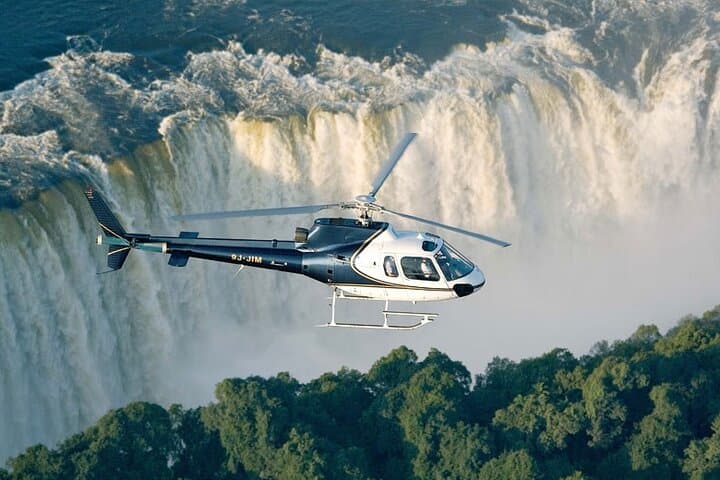
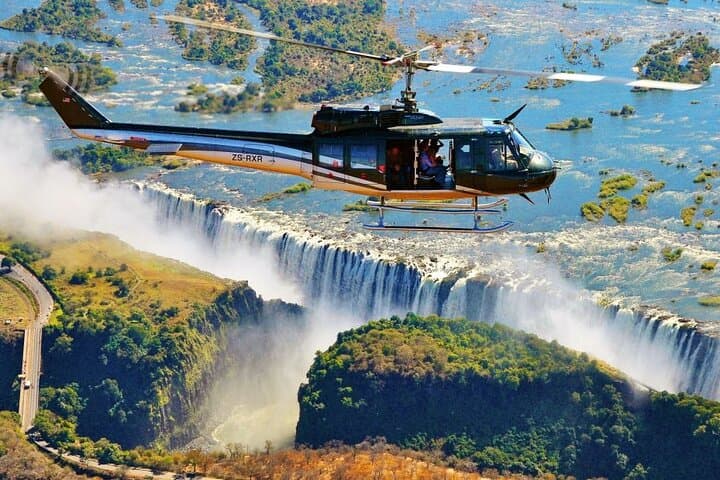
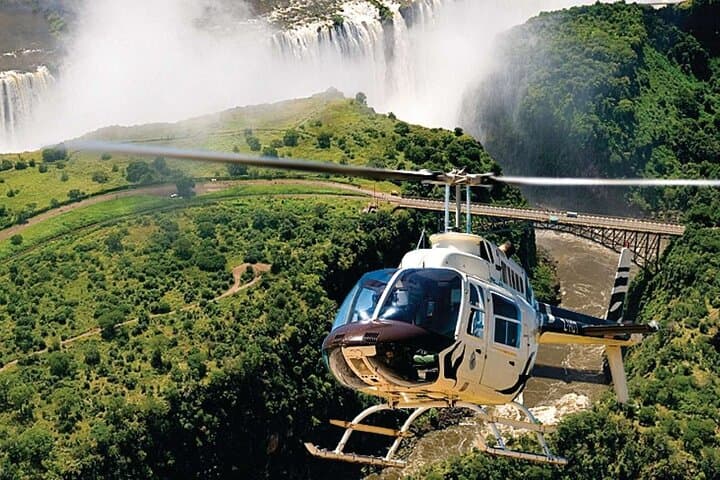
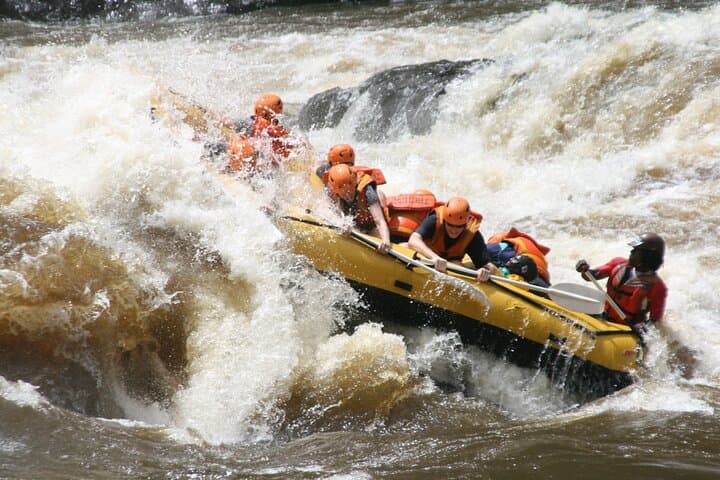
You lift off from a flat, sun-warmed helipad and the Victoria Falls spray unrolls beneath you like a living cloud. The helicopter banks over the Zambezi, and the gorge narrows into dark basalt walls; below, the river hurls itself toward the 108 m (355 ft) drop of the falls. Later the current grabs your raft and the Batoka Gorge narrows again—rapids shove and test you, and the river demands focus.
Verified experiences and guided adventures in the surrounding area.
Operated by misty realms expeditions · Victoria Falls, Matabeleland North
You lift off from a flat, sun-warmed helipad and the Victoria Falls spray unrolls beneath you like a living cloud. The helicopter banks over the Zambezi, and the gorge narrows into dark basalt walls; below, the river hurls itself toward the 108 m (355 ft) drop of the falls. Later the current grabs your raft and the Batoka Gorge narrows again—rapids shove and test you, and the river demands focus.
The falls were first written about by Europeans in the mid-19th century (David Livingstone saw them in 1855), but the canyon’s story is older: volcanic basalt fissures and river incision created the jagged gorges you fly and float through. The local Tonga and Lozi people have long ties to the Zambezi; craft markets and cultural centers in Victoria Falls town offer practical context and souvenirs.
Practical guide: helicopter flights commonly run 10–25 minutes—book morning or late afternoon for the best light and to avoid spray-driven low visibility. The standard rafting route in the Batoka Gorge covers roughly 16–22 km of class IV–V rapids and is a full-day commitment; it’s technical and physically demanding. Expect basalt ledges, steep gorge walls, and periods of calm water between surge rapids.
Prepare with sturdy river shoes, a secure waterproof pouch for essentials, and physical conditioning for long days and sustained paddling. Hydrate well, layer for sun and wind on the helicopter, and follow guides’ safety briefings: helmets, lifejackets, and experienced skippers are standard. Both experiences reward attention—speak to operators about water levels and visibility when you book.
challenging.
Full day (10–14 hours).
High level of fitness recommended—be ready for long periods of paddling, getting in/out of rafts, and brief hikes to viewpoints.
Most scenic flights run 10–25 minutes; operators offer different packages—confirm duration when booking.
The Batoka Gorge run is challenging (class IV–V); many operators require prior fitness, and guide-led coaching is provided, but it’s not recommended for inexperienced paddlers without preparation.
Transfers and some viewing areas are wheelchair accessible, but rafting requires full mobility and infants must follow operator policies—check specific age and safety rules before booking.
Seasonal water levels (high vs low water) change rapid intensity and visibility at the falls; discuss timing with your operator for the experience you want.
European explorers documented the falls in the 19th century, but the Zambezi’s gorges were formed millions of years ago by basalt flows and river erosion; the falls have cultural significance for local Tonga and Lozi communities.
Victoria Falls and the Zambezi face pressures from tourism, water abstraction, and climate variability; choose operators that follow leave-no-trace practices and support local conservation initiatives.
misty realms expeditions operates guided outdoor trips and adventures with an emphasis on safety, stewardship, and memorable experiences.
You lift off from a flat, sun-warmed helipad and the Victoria Falls spray unrolls beneath you like a living cloud. The helicopter banks over the Zambezi, and the gorge narrows into dark basalt walls; below, the river hurls itself toward the 108 m (355 ft) drop of the falls. Later the current grabs your raft and the Batoka Gorge narrows again—rapids shove and test you, and the river demands focus.
You lift off from a flat, sun-warmed helipad and the Victoria Falls spray unrolls beneath you like a living cloud. The helicopter banks over the Zambezi, and the gorge narrows into dark basalt walls; below, the river hurls itself toward the 108 m (355 ft) drop of the falls. Later the current grabs your raft and the Batoka Gorge narrows again—rapids shove and test you, and the river demands focus.
The falls were first written about by Europeans in the mid-19th century (David Livingstone saw them in 1855), but the canyon’s story is older: volcanic basalt fissures and river incision created the jagged gorges you fly and float through. The local Tonga and Lozi people have long ties to the Zambezi; craft markets and cultural centers in Victoria Falls town offer practical context and souvenirs.
Practical guide: helicopter flights commonly run 10–25 minutes—book morning or late afternoon for the best light and to avoid spray-driven low visibility. The standard rafting route in the Batoka Gorge covers roughly 16–22 km of class IV–V rapids and is a full-day commitment; it’s technical and physically demanding. Expect basalt ledges, steep gorge walls, and periods of calm water between surge rapids.
Prepare with sturdy river shoes, a secure waterproof pouch for essentials, and physical conditioning for long days and sustained paddling. Hydrate well, layer for sun and wind on the helicopter, and follow guides’ safety briefings: helmets, lifejackets, and experienced skippers are standard. Both experiences reward attention—speak to operators about water levels and visibility when you book.