THE ADVENTURE COLLECTIVE® · Independent discovery and booking for outdoor travel

Step into the mist on a guided walking tour of Victoria Falls, where rainforest boardwalks lead to the Main Falls, Devil’s Cataract and Knife-Edge Bridge. With local guides, learn the geology, cultural stories and ecology behind Mosi-oa-Tunya while enjoying select viewpoints and photo stops.
Step into the mist on a guided walking tour of Victoria Falls, where rainforest boardwalks lead to the Main Falls, Devil’s Cataract and Knife-Edge Bridge. With local guides, learn the geology, cultural stories and ecology behind Mosi-oa-Tunya while enjoying select viewpoints and photo stops.
You enter the rainforest to the sound of water that never stops — the Zambezi’s roar pushing mist into the paths and daring you to step closer. The walk threads past wooden boardwalks and rock ledges to the Main Falls, Devil’s Cataract and the Knife-Edge Bridge, each viewpoint offering a different pulse of the falls: thunder, hush, sudden spray. Guides time pauses for rainbows and stories, and the mist leaves a film on camera lenses like an invitation.
Verified experiences and guided adventures in the surrounding area.
Operated by MaGold · Victoria Falls, Matabeleland North
You enter the rainforest to the sound of water that never stops — the Zambezi’s roar pushing mist into the paths and daring you to step closer. The walk threads past wooden boardwalks and rock ledges to the Main Falls, Devil’s Cataract and the Knife-Edge Bridge, each viewpoint offering a different pulse of the falls: thunder, hush, sudden spray. Guides time pauses for rainbows and stories, and the mist leaves a film on camera lenses like an invitation.
The falls are carved where the Zambezi cuts through a band of basalt, a geology of layered lava flows and resistant gorges that directs the water’s force into the vertical drop you see today. Locally known as Mosi-oa-Tunya — “The Smoke that Thunders” — the site has been central to Lozi and Tonga cultures and later became a colonial-era tourism draw; it is now a UNESCO World Heritage Site with cross-border significance between Zimbabwe and Zambia.
Expect humid rainforest air, slippery rock, and concentrated bird and plant life adapted to constant spray. Guides explain the baobab and mopane species, point out fish eagles and hippo signs, and place the falls in a conservation conversation about upstream flow and habitat protection.
Practical guidance: wear grippy shoes and a lightweight waterproof layer, keep electronics in a dry pouch, and allow 2–3 hours for the tour to move at a relaxed pace with photo stops. Morning slots typically offer softer light and fewer crowds; later in the day the falls can be at their loudest. The experience is as much about presence in the spray as it is about the views — come prepared to get wet and to listen.
easy.
2–3 hours.
Suitable for most fitness levels; requires steady short walks on wet, uneven surfaces and the ability to navigate steps.
The tour runs about 2–3 hours, covering main viewpoints and allowing time for photos and guide commentary.
Yes — the route is rated easy and wheelchair/infant friendly in many sections, but expect wet surfaces and some steps; inform the operator of mobility needs when booking.
Visitors must pay the national park entrance fee; visa requirements depend on your nationality and which side (Zimbabwe or Zambia) you enter — check current regulations before travel.
Yes, expect mist and spray at viewpoints; use a waterproof case or cover and keep spare cloths to wipe lenses between shots.
Victoria Falls formed where the Zambezi cuts through volcanic basalt; locally called Mosi-oa-Tunya, the site has long cultural significance for Tonga and Lozi peoples and was later designated a UNESCO World Heritage Site.
Flow levels vary with upstream dams and seasonal rains; visitors are urged to stay on marked paths, avoid littering, and support local conservation and community programs.
MaGold operates guided outdoor trips and adventures with an emphasis on safety, stewardship, and memorable experiences.
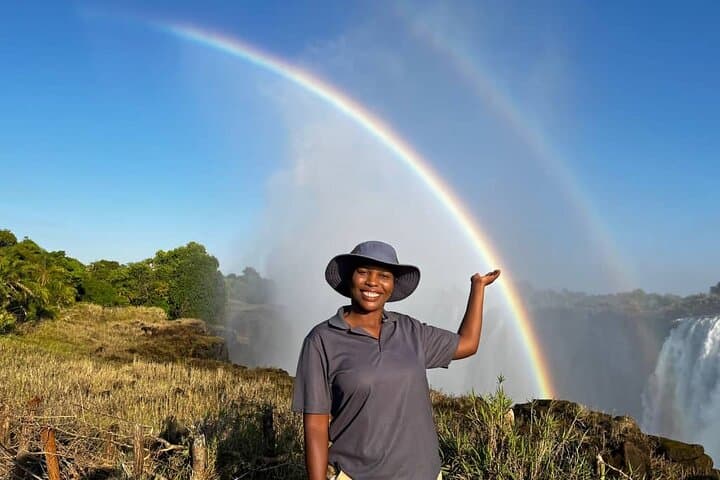
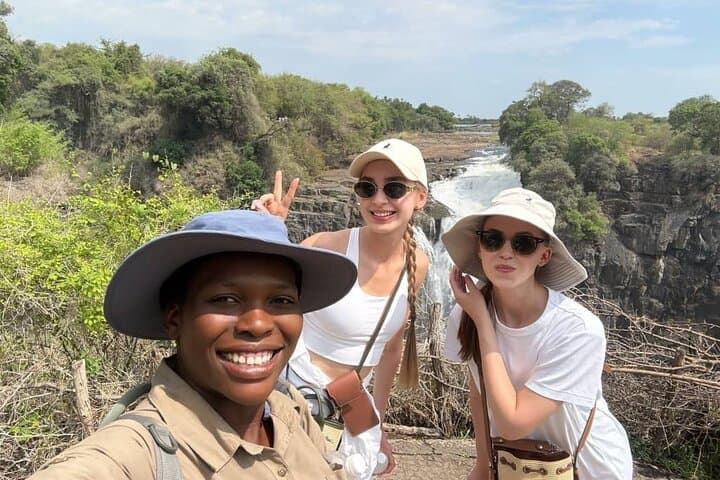
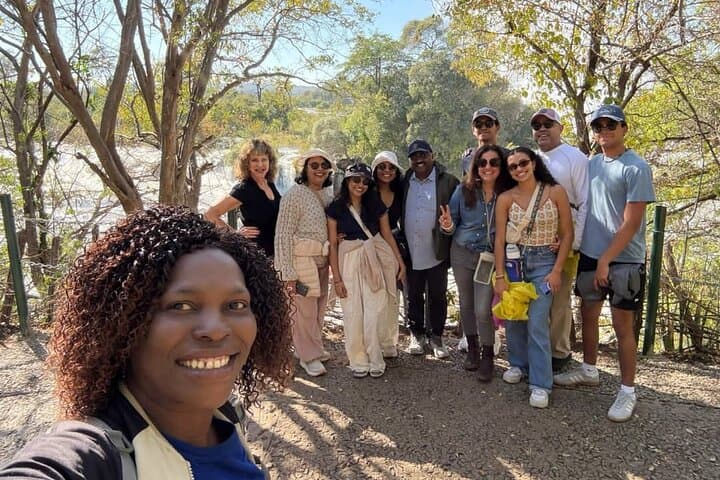
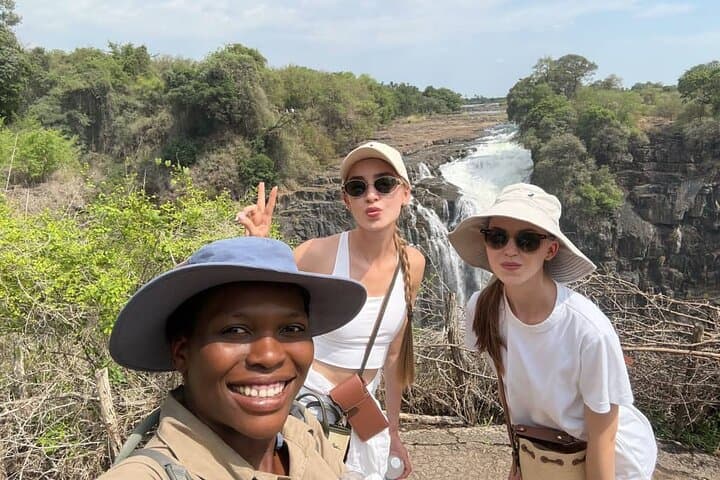
You enter the rainforest to the sound of water that never stops — the Zambezi’s roar pushing mist into the paths and daring you to step closer. The walk threads past wooden boardwalks and rock ledges to the Main Falls, Devil’s Cataract and the Knife-Edge Bridge, each viewpoint offering a different pulse of the falls: thunder, hush, sudden spray. Guides time pauses for rainbows and stories, and the mist leaves a film on camera lenses like an invitation.
You enter the rainforest to the sound of water that never stops — the Zambezi’s roar pushing mist into the paths and daring you to step closer. The walk threads past wooden boardwalks and rock ledges to the Main Falls, Devil’s Cataract and the Knife-Edge Bridge, each viewpoint offering a different pulse of the falls: thunder, hush, sudden spray. Guides time pauses for rainbows and stories, and the mist leaves a film on camera lenses like an invitation.
The falls are carved where the Zambezi cuts through a band of basalt, a geology of layered lava flows and resistant gorges that directs the water’s force into the vertical drop you see today. Locally known as Mosi-oa-Tunya — “The Smoke that Thunders” — the site has been central to Lozi and Tonga cultures and later became a colonial-era tourism draw; it is now a UNESCO World Heritage Site with cross-border significance between Zimbabwe and Zambia.
Expect humid rainforest air, slippery rock, and concentrated bird and plant life adapted to constant spray. Guides explain the baobab and mopane species, point out fish eagles and hippo signs, and place the falls in a conservation conversation about upstream flow and habitat protection.
Practical guidance: wear grippy shoes and a lightweight waterproof layer, keep electronics in a dry pouch, and allow 2–3 hours for the tour to move at a relaxed pace with photo stops. Morning slots typically offer softer light and fewer crowds; later in the day the falls can be at their loudest. The experience is as much about presence in the spray as it is about the views — come prepared to get wet and to listen.