THE ADVENTURE COLLECTIVE® · Independent discovery and booking for outdoor travel

Experience the raw power of Victoria Falls on a guided 5–6 hour tour from Livingstone that covers viewpoints on both the Zambian and Zimbabwean sides. Learn geology, local history and practical tips while walking paved paths and spray-swept lookouts.
Experience the raw power of Victoria Falls on a guided 5–6 hour tour from Livingstone that covers viewpoints on both the Zambian and Zimbabwean sides. Learn geology, local history and practical tips while walking paved paths and spray-swept lookouts.
You step onto the riverside path and the air changes — a cool, fine spray pushes at your face while the Zambezi’s roar fills the gorge. Walkways curve toward observation points and the Knife-Edge Bridge, and every turn reintroduces the falls as something alive: a moving wall of water 1.708 km wide, plunging roughly 111 metres into Batoka Gorge.
Verified experiences and guided adventures in the surrounding area.
Operated by Arnolubi Safaris & Tours · Livingstone, Southern Province
You step onto the riverside path and the air changes — a cool, fine spray pushes at your face while the Zambezi’s roar fills the gorge. Walkways curve toward observation points and the Knife-Edge Bridge, and every turn reintroduces the falls as something alive: a moving wall of water 1.708 km wide, plunging roughly 111 metres into Batoka Gorge.
This is Mosi-oa-Tunya — "the smoke that thunders" — a place David Livingstone put on western maps in 1855 and a geological scar carved by the Zambezi over millennia. Basalt cliffs, columnar joints and the deep V of the Batoka Gorge tell the story of repeated lava flows and river incision. The spray sustains a rainforest pocket on the rim, hosting plant species uncommon on the plateau and a chorus of raptors and kingfishers.
A guided tour from Livingstone spends about 5–6 hours moving between lookouts on the Zambian side and vantage points overlooking the Zimbabwean face, with a local guide explaining hydrology, colonial history and Tonga cultural ties to the river. Expect paved and rocky paths, stairs, and brief ferry or border procedures if you cross over; during high flow the view is thunderous and spray-heavy, while the dry season opens channels and exposes islands.
Practical notes: bring a waterproof layer and protect electronics from spray, wear sturdy walking shoes for slippery stone, and time your visit for morning light or late afternoon when the falls throw rainbows through the mist. Respect fences and follow your guide — the current below still commands attention. With basic preparation, the tour is accessible and unforgettable.
easy.
5–6 hours.
Suitable for most travelers; involves walking paved paths, stairs, and short uneven sections.
Visa rules depend on your nationality; check embassy guidance in advance and bring your passport — guides can advise on crossing routes and procedures.
The walkways are largely paved but include steps and slippery sections; the tour is generally suitable for children and most fitness levels but not for those requiring full wheelchair access.
High flow (Feb–May) delivers maximum spectacle and spray; dry season (Aug–Nov) offers clearer views and better access to Livingstone Island and exposed rock formations.
Entrance fees vary and Livingstone Island access is often a separate, seasonal booking — confirm inclusion when you book and ask your operator about add-ons.
Named Mosi-oa-Tunya by local Tonga people and introduced to Europeans by David Livingstone in 1855, the falls have long cultural and colonial histories tied to the Zambezi.
Upstream water use and climate variability affect flow; stick to designated paths, avoid litter, and support local guides who follow park sustainability rules.
Arnolubi Safaris & Tours operates guided outdoor trips and adventures with an emphasis on safety, stewardship, and memorable experiences.
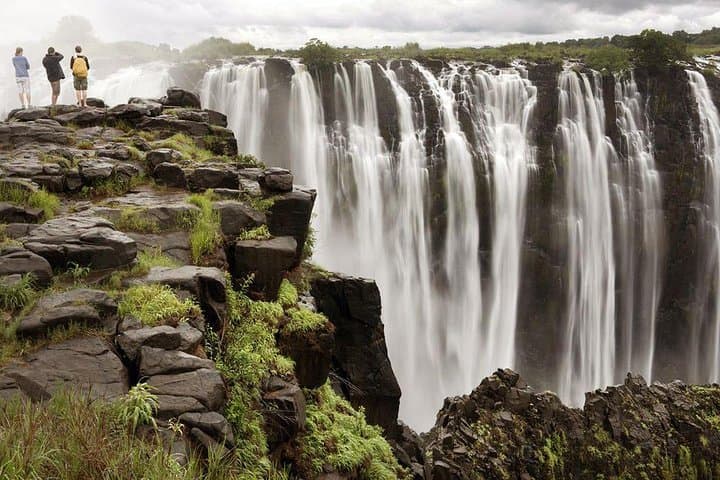
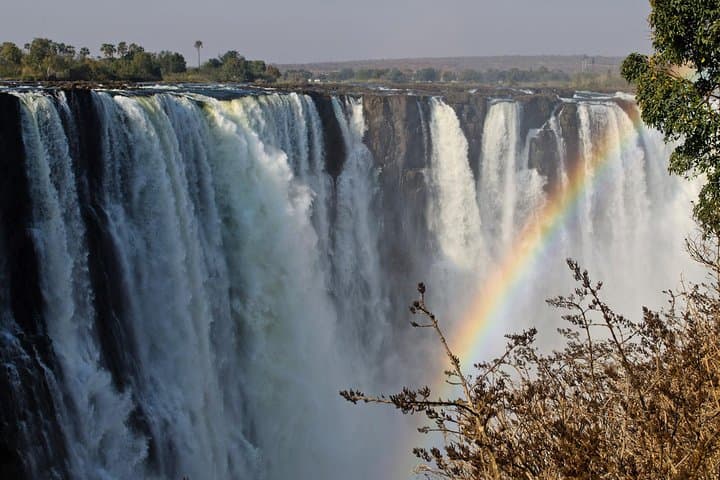
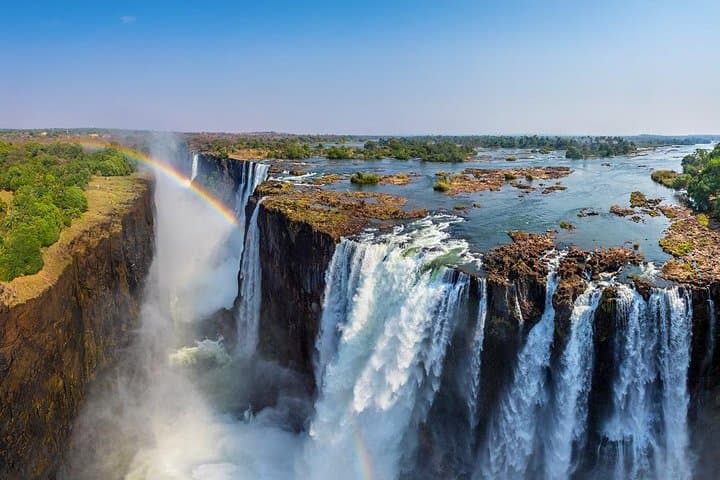
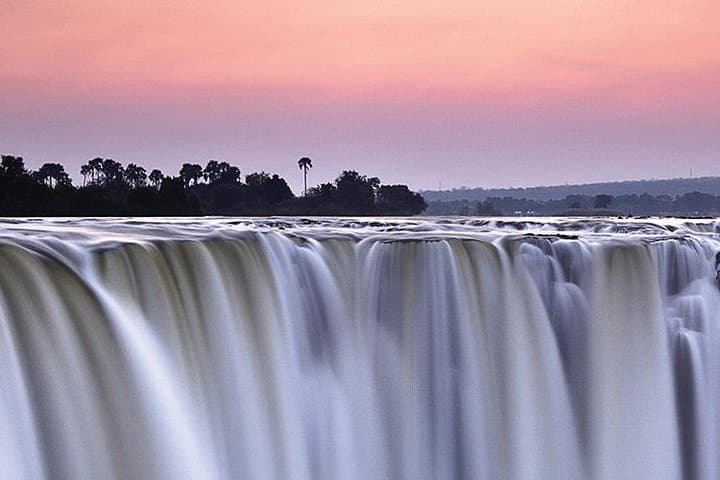
You step onto the riverside path and the air changes — a cool, fine spray pushes at your face while the Zambezi’s roar fills the gorge. Walkways curve toward observation points and the Knife-Edge Bridge, and every turn reintroduces the falls as something alive: a moving wall of water 1.708 km wide, plunging roughly 111 metres into Batoka Gorge.
You step onto the riverside path and the air changes — a cool, fine spray pushes at your face while the Zambezi’s roar fills the gorge. Walkways curve toward observation points and the Knife-Edge Bridge, and every turn reintroduces the falls as something alive: a moving wall of water 1.708 km wide, plunging roughly 111 metres into Batoka Gorge.
This is Mosi-oa-Tunya — "the smoke that thunders" — a place David Livingstone put on western maps in 1855 and a geological scar carved by the Zambezi over millennia. Basalt cliffs, columnar joints and the deep V of the Batoka Gorge tell the story of repeated lava flows and river incision. The spray sustains a rainforest pocket on the rim, hosting plant species uncommon on the plateau and a chorus of raptors and kingfishers.
A guided tour from Livingstone spends about 5–6 hours moving between lookouts on the Zambian side and vantage points overlooking the Zimbabwean face, with a local guide explaining hydrology, colonial history and Tonga cultural ties to the river. Expect paved and rocky paths, stairs, and brief ferry or border procedures if you cross over; during high flow the view is thunderous and spray-heavy, while the dry season opens channels and exposes islands.
Practical notes: bring a waterproof layer and protect electronics from spray, wear sturdy walking shoes for slippery stone, and time your visit for morning light or late afternoon when the falls throw rainbows through the mist. Respect fences and follow your guide — the current below still commands attention. With basic preparation, the tour is accessible and unforgettable.