THE ADVENTURE COLLECTIVE® · Independent discovery and booking for outdoor travel

Standing on the Zambia side of Victoria Falls, spray thickens the air and viewpoints open onto plunging water and carved basalt. This 1–2 hour guided tour from Livingstone takes you to the rainforest paths, Knife-Edge Bridge and the Boiling Pot with local context and accessible trails.
Standing on the Zambia side of Victoria Falls, spray thickens the air and viewpoints open onto plunging water and carved basalt. This 1–2 hour guided tour from Livingstone takes you to the rainforest paths, Knife-Edge Bridge and the Boiling Pot with local context and accessible trails.
Mist blooms off the Zambezi and the path hums with a steady, soaking wind — this is the Zambia side of Victoria Falls, where spray makes the air feel like weather. Guided groups move between viewing platforms, cameras catching curtains of water that begin on a basalt plateau and finish by falling into the carved Zambezi gorge below.
Verified experiences and guided adventures in the surrounding area.
Operated by Royal African Experiences · Livingstone, Southern Province
Mist blooms off the Zambezi and the path hums with a steady, soaking wind — this is the Zambia side of Victoria Falls, where spray makes the air feel like weather. Guided groups move between viewing platforms, cameras catching curtains of water that begin on a basalt plateau and finish by falling into the carved Zambezi gorge below.
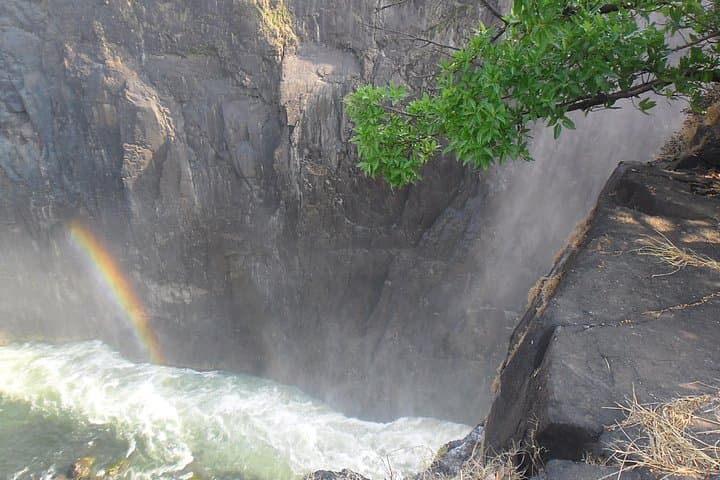
Mosi-oa-Tunya — "The Smoke That Thunders" — has long been a landmark for local Tonga and Lozi communities and the 19th-century explorer David Livingstone, whose name the nearby town still bears. Geologically, the falls form where the river crosses resistant basalt, then fractures and plunges into a series of narrow chutes; look for the Knife-Edge Bridge and the Boiling Pot where the current spins and carves the rock.
Culture and conservation sit close together here: local guides explain spiritual associations and the colonial history while rangers manage a fragile rainforest microclimate fed by the falls' mist. Expect well-formed trails, paved overlooks, and brief steep sections to viewpoints; the rainforest keeps paths damp and mossy underfoot.
Practical guidance: schedule a morning visit for softer light and lighter crowds, bring a waterproof layer and quick-dry clothes, and wear sturdy closed-toe shoes. The short tour covers top vantage points in roughly 60–120 minutes and is largely accessible, though paths can be slippery. Bring a passport if you plan to view from both Zambia and Zimbabwe on the same day, and use a waterproof cover for electronics. Stay hydrated; bottled water is commonly available on guided departures. With a guide, you get context — geological, cultural and ecological — that turns a series of viewpoints into a coherent, instructive short adventure.
easy.
1–2 hours.
Suitable for general fitness; requires short walks and standing at viewpoints
The guided tour runs about 60–120 minutes and visits the primary viewpoints on the Zambia side, including the Knife-Edge Bridge and Boiling Pot.
Many viewing platforms and paths are accessible, and the tour notes wheelchair access, but some sections have steps or uneven ground—confirm specific needs with the operator before booking.
A passport is not required for the Zambia-side tour itself, but if you plan to view the falls from Zimbabwe the same day you will need a valid passport and possibly a visa.
Peak flow is generally from February to May after the rainy season; for clearer viewpoints and less mist on some overlooks, late dry season months show reduced flow.
The area is known locally as Mosi-oa-Tunya and was popularized internationally after explorer David Livingstone visited in 1855; Livingstone became a base for colonial-era tourism and mission activity.
The rainforest around the falls depends on the spray zone; visitors should stick to paths to avoid trampling fragile vegetation, and follow guidance about single-use plastics and water use.
Royal African Experiences operates guided outdoor trips and adventures with an emphasis on safety, stewardship, and memorable experiences.
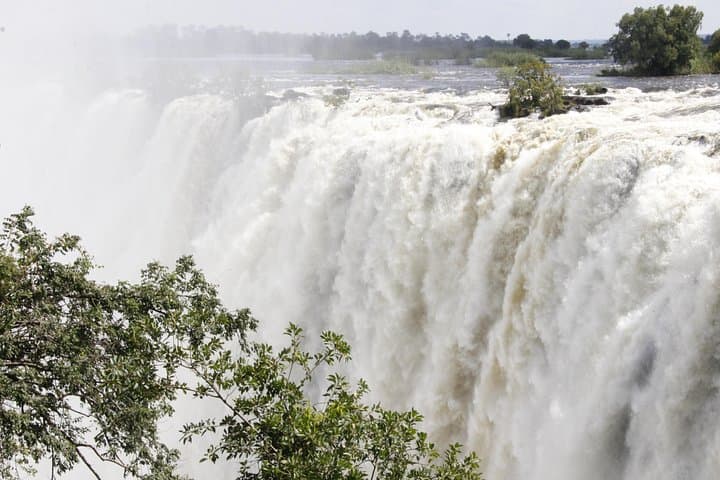
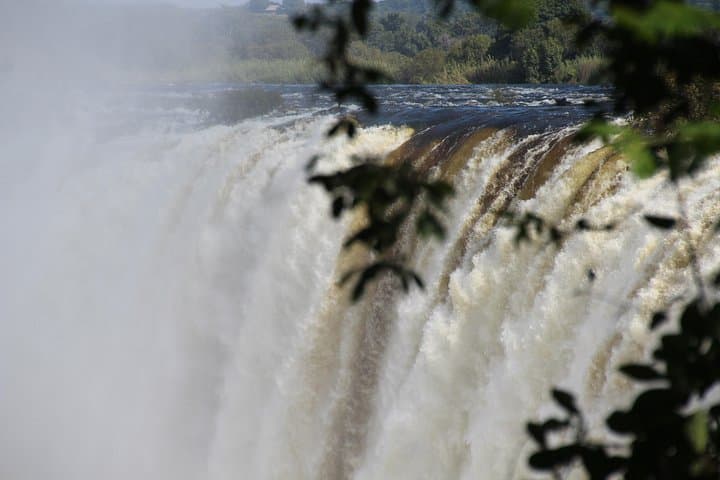
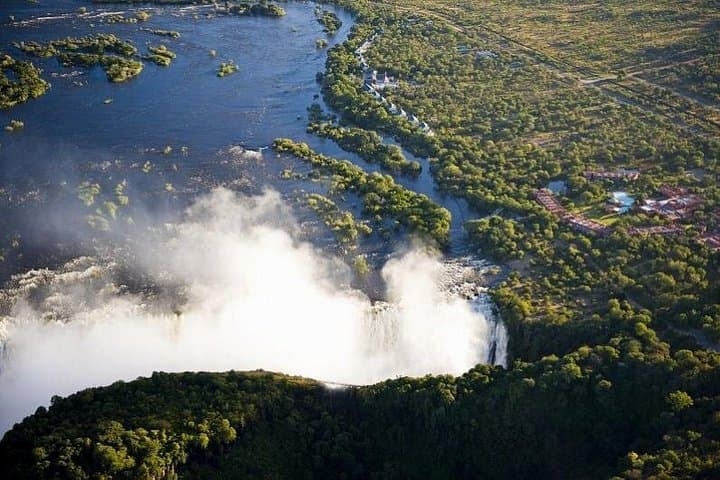
Mist blooms off the Zambezi and the path hums with a steady, soaking wind — this is the Zambia side of Victoria Falls, where spray makes the air feel like weather. Guided groups move between viewing platforms, cameras catching curtains of water that begin on a basalt plateau and finish by falling into the carved Zambezi gorge below.
Mist blooms off the Zambezi and the path hums with a steady, soaking wind — this is the Zambia side of Victoria Falls, where spray makes the air feel like weather. Guided groups move between viewing platforms, cameras catching curtains of water that begin on a basalt plateau and finish by falling into the carved Zambezi gorge below.
Mosi-oa-Tunya — "The Smoke That Thunders" — has long been a landmark for local Tonga and Lozi communities and the 19th-century explorer David Livingstone, whose name the nearby town still bears. Geologically, the falls form where the river crosses resistant basalt, then fractures and plunges into a series of narrow chutes; look for the Knife-Edge Bridge and the Boiling Pot where the current spins and carves the rock.
Culture and conservation sit close together here: local guides explain spiritual associations and the colonial history while rangers manage a fragile rainforest microclimate fed by the falls' mist. Expect well-formed trails, paved overlooks, and brief steep sections to viewpoints; the rainforest keeps paths damp and mossy underfoot.
Practical guidance: schedule a morning visit for softer light and lighter crowds, bring a waterproof layer and quick-dry clothes, and wear sturdy closed-toe shoes. The short tour covers top vantage points in roughly 60–120 minutes and is largely accessible, though paths can be slippery. Bring a passport if you plan to view from both Zambia and Zimbabwe on the same day, and use a waterproof cover for electronics. Stay hydrated; bottled water is commonly available on guided departures. With a guide, you get context — geological, cultural and ecological — that turns a series of viewpoints into a coherent, instructive short adventure.