THE ADVENTURE COLLECTIVE® · Independent discovery and booking for outdoor travel

Stand where the Zambezi topples into an immense curtain of water and feel the spray on your face. This guided Victoria Falls tour combines dramatic viewpoints, local history, and practical transport and entrance inclusions for an efficient, safe visit.
Stand where the Zambezi topples into an immense curtain of water and feel the spray on your face. This guided Victoria Falls tour combines dramatic viewpoints, local history, and practical transport and entrance inclusions for an efficient, safe visit.
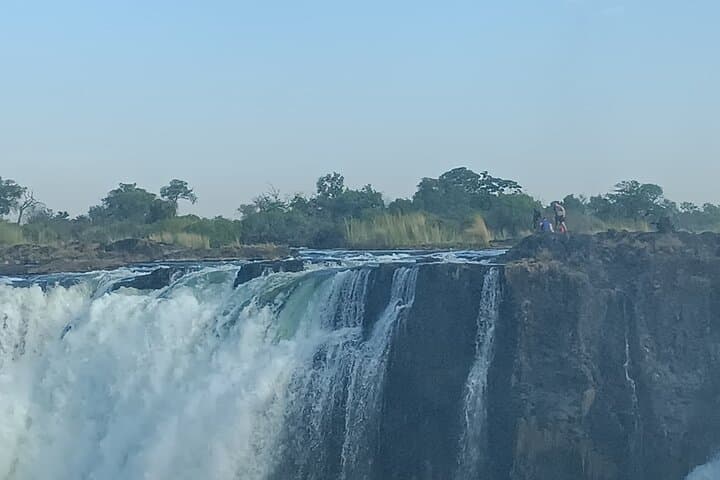
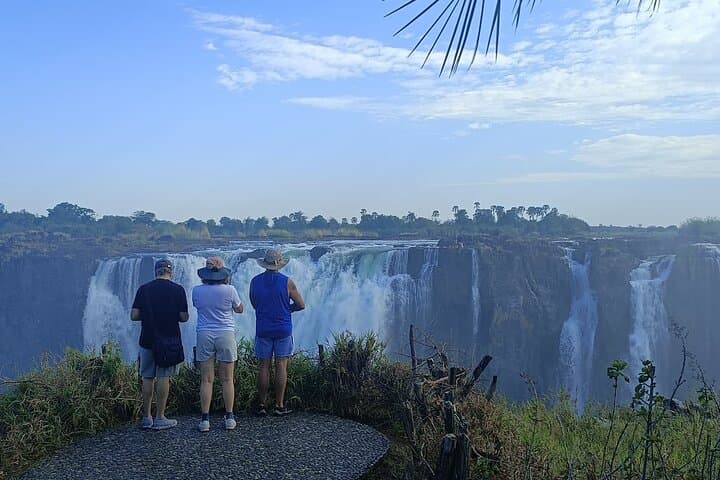
You step from the shuttle into a wall of sound: the Zambezi river throwing itself over basalt, the spray rising like restless ghosts and clinging to your skin.
Verified experiences and guided adventures in the surrounding area.
Operated by Mbeu Safaris & Tours · Victoria Falls, Matabeleland North
You step from the shuttle into a wall of sound: the Zambezi river throwing itself over basalt, the spray rising like restless ghosts and clinging to your skin.
The main viewpoints run along a zigzag of cliff and rainforest on the Zimbabwe side, where guides point out the natural amphitheater cut by millions of years of erosion and seasonal floods. Geologically, Victoria Falls occupies a fracture in ancient basalt; the river has migrated eastward over time, carving successive gorges that chart its retreat. Culturally the site is as significant as it is scenic—Lozi and Tonga people have long stories about the falls, and colonial-era explorers named it for Queen Victoria in 1855.
Expect close-up perspectives from designated vantage points, opportunities to photograph the falling curtain and the downstream gorges, and guide-led context on safety and local customs. The spray is its own weather: during the wet months it dares you to come closer; in the dry season the falls thin and the gorges open, revealing rock colors and birdlife.
Practically, this guided visit runs about 2–2.5 hours and includes return transfers and the park entrance fee. Wear grippy shoes and a waterproof shell, keep electronics in dry bags, and follow your guide—some viewpoints have minimal barriers. Morning visits offer softer light and fewer crowds; late afternoon casts the gorge in warm tones. Respect local signage and avoid crossing fences for photos; the vistas from official viewpoints are ample. With basic preparation—water, sun protection, and a sense of curiosity—you’ll leave with an understanding of the forces that shaped this dramatic, living edge of the Zambezi.
easy.
2–3 hours.
Suitable for most fitness levels; includes short walks on paved and uneven paths and some steps.
Yes—the guided tour includes the Victoria Falls National Park entrance fee as part of the booking.
Some viewing points and transportation are wheelchair/stroller accessible, but uneven surfaces and steps can limit access to every vantage; check with the operator about specific needs.
Morning light reduces glare and crowds; the dry season (June–August) offers clearer views, while wet season (Dec–Feb) provides dramatic spray and rainbows.
Return transfers from hotels in Victoria Falls are included—confirm your pickup point at booking and be ready a few minutes before the scheduled time.
The falls were named by Scottish explorer David Livingstone in 1855; indigenous Tonga and Lozi communities have lived around the Zambezi for centuries and hold cultural ties to the site.
Victoria Falls is managed as a national park to protect its fragile rainforest and riverine habitat—stick to paths and avoid single-use plastics to reduce your impact.
Mbeu Safaris & Tours operates guided outdoor trips and adventures with an emphasis on safety, stewardship, and memorable experiences.
You step from the shuttle into a wall of sound: the Zambezi river throwing itself over basalt, the spray rising like restless ghosts and clinging to your skin.
You step from the shuttle into a wall of sound: the Zambezi river throwing itself over basalt, the spray rising like restless ghosts and clinging to your skin.
The main viewpoints run along a zigzag of cliff and rainforest on the Zimbabwe side, where guides point out the natural amphitheater cut by millions of years of erosion and seasonal floods. Geologically, Victoria Falls occupies a fracture in ancient basalt; the river has migrated eastward over time, carving successive gorges that chart its retreat. Culturally the site is as significant as it is scenic—Lozi and Tonga people have long stories about the falls, and colonial-era explorers named it for Queen Victoria in 1855.
Expect close-up perspectives from designated vantage points, opportunities to photograph the falling curtain and the downstream gorges, and guide-led context on safety and local customs. The spray is its own weather: during the wet months it dares you to come closer; in the dry season the falls thin and the gorges open, revealing rock colors and birdlife.
Practically, this guided visit runs about 2–2.5 hours and includes return transfers and the park entrance fee. Wear grippy shoes and a waterproof shell, keep electronics in dry bags, and follow your guide—some viewpoints have minimal barriers. Morning visits offer softer light and fewer crowds; late afternoon casts the gorge in warm tones. Respect local signage and avoid crossing fences for photos; the vistas from official viewpoints are ample. With basic preparation—water, sun protection, and a sense of curiosity—you’ll leave with an understanding of the forces that shaped this dramatic, living edge of the Zambezi.